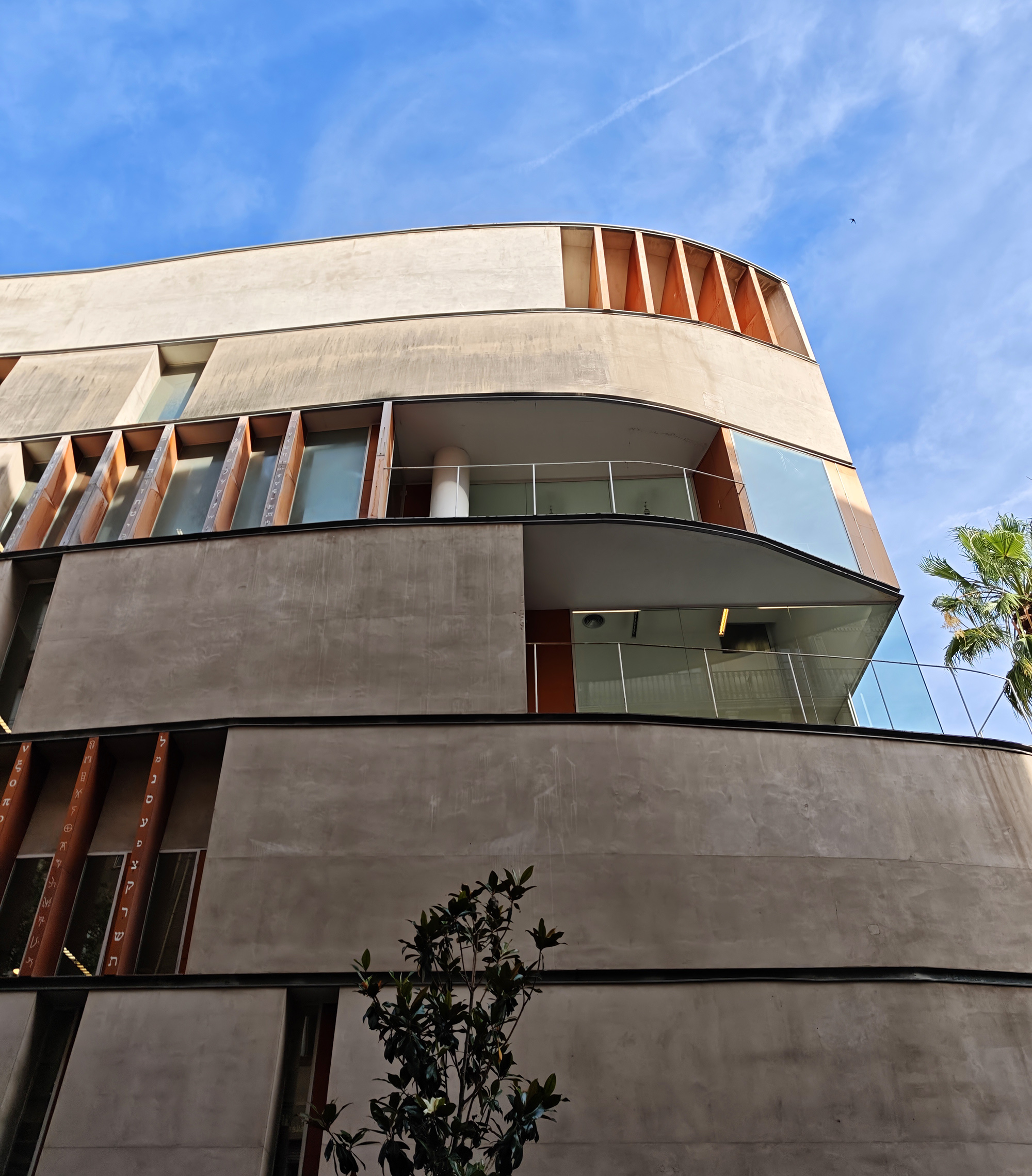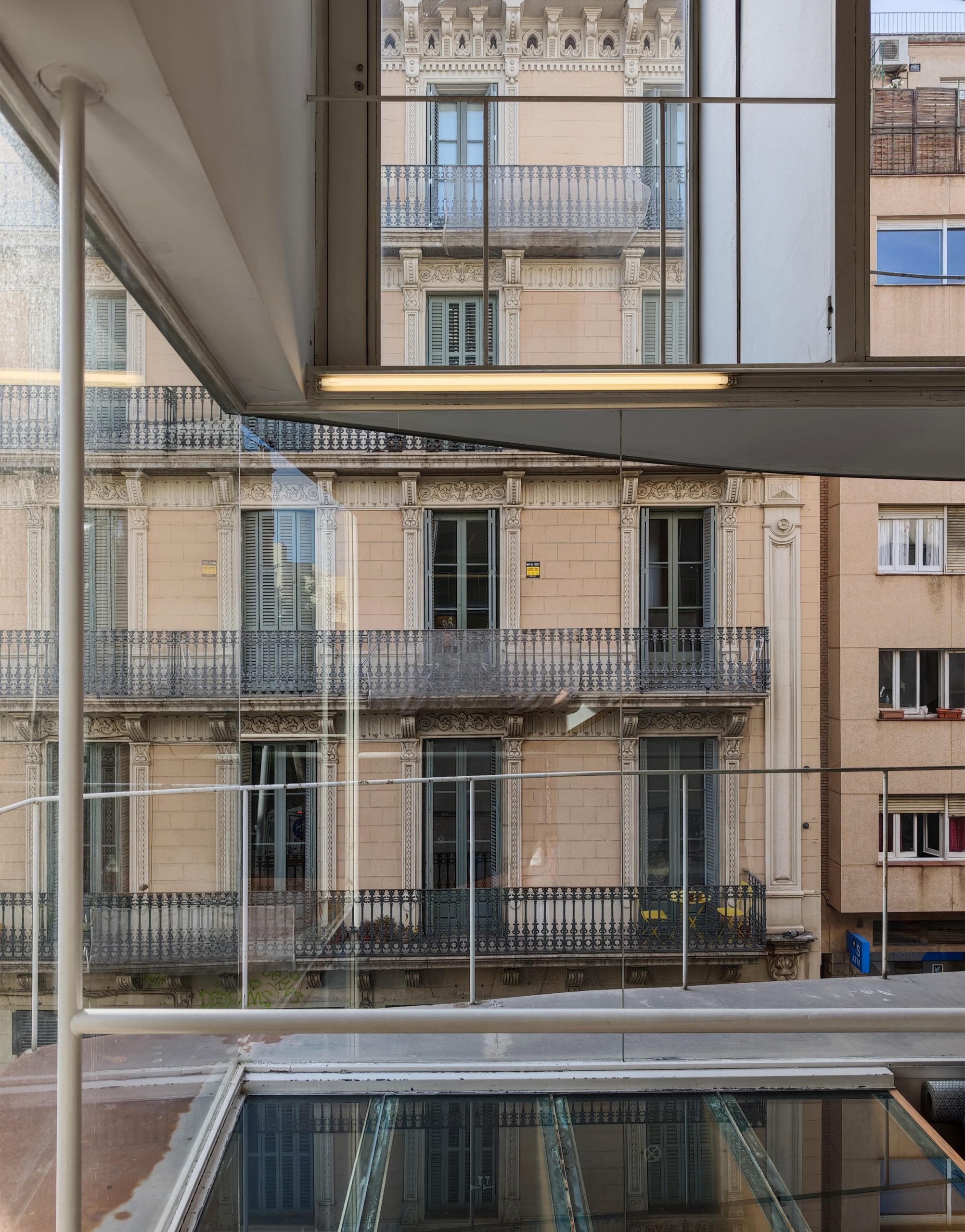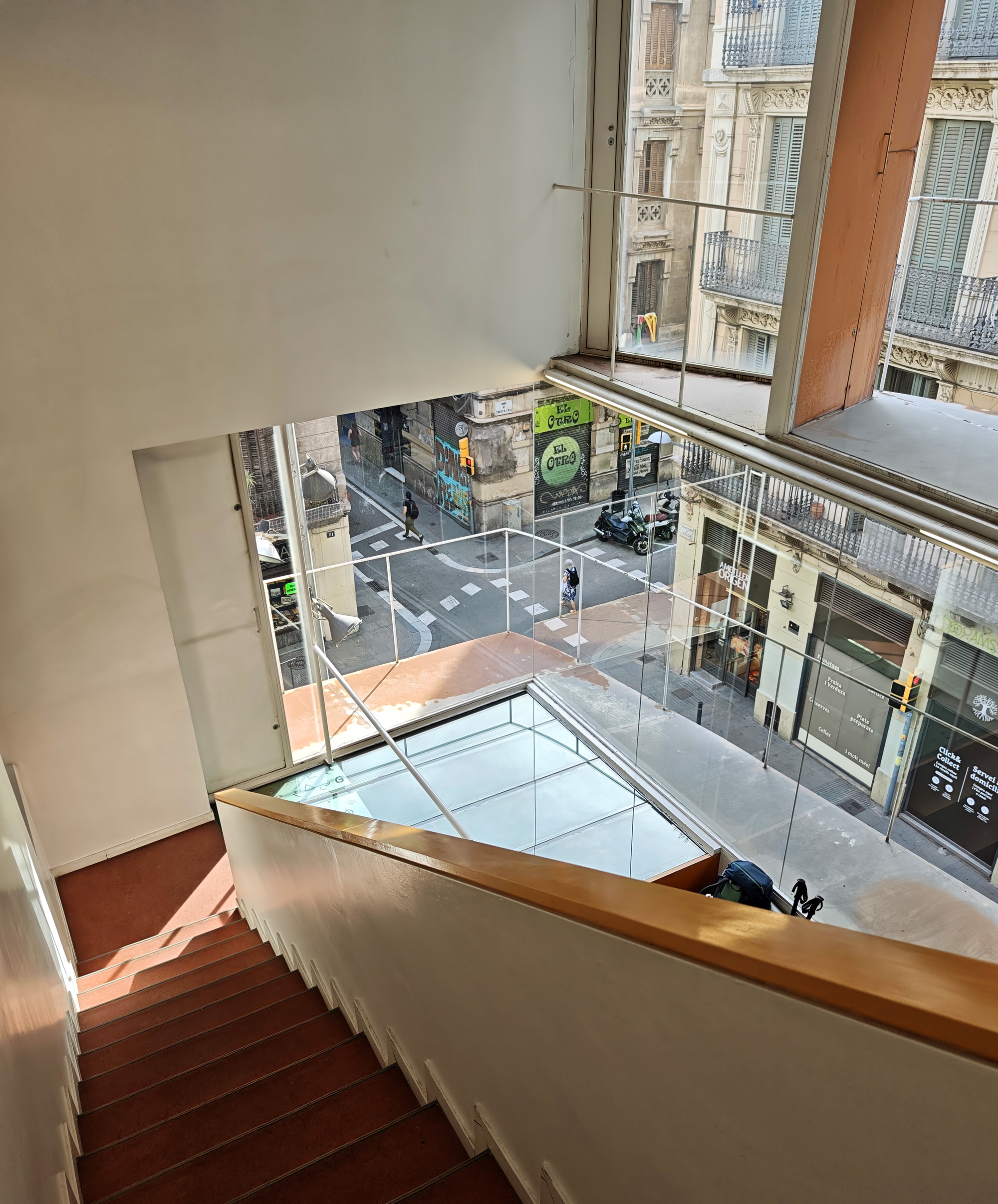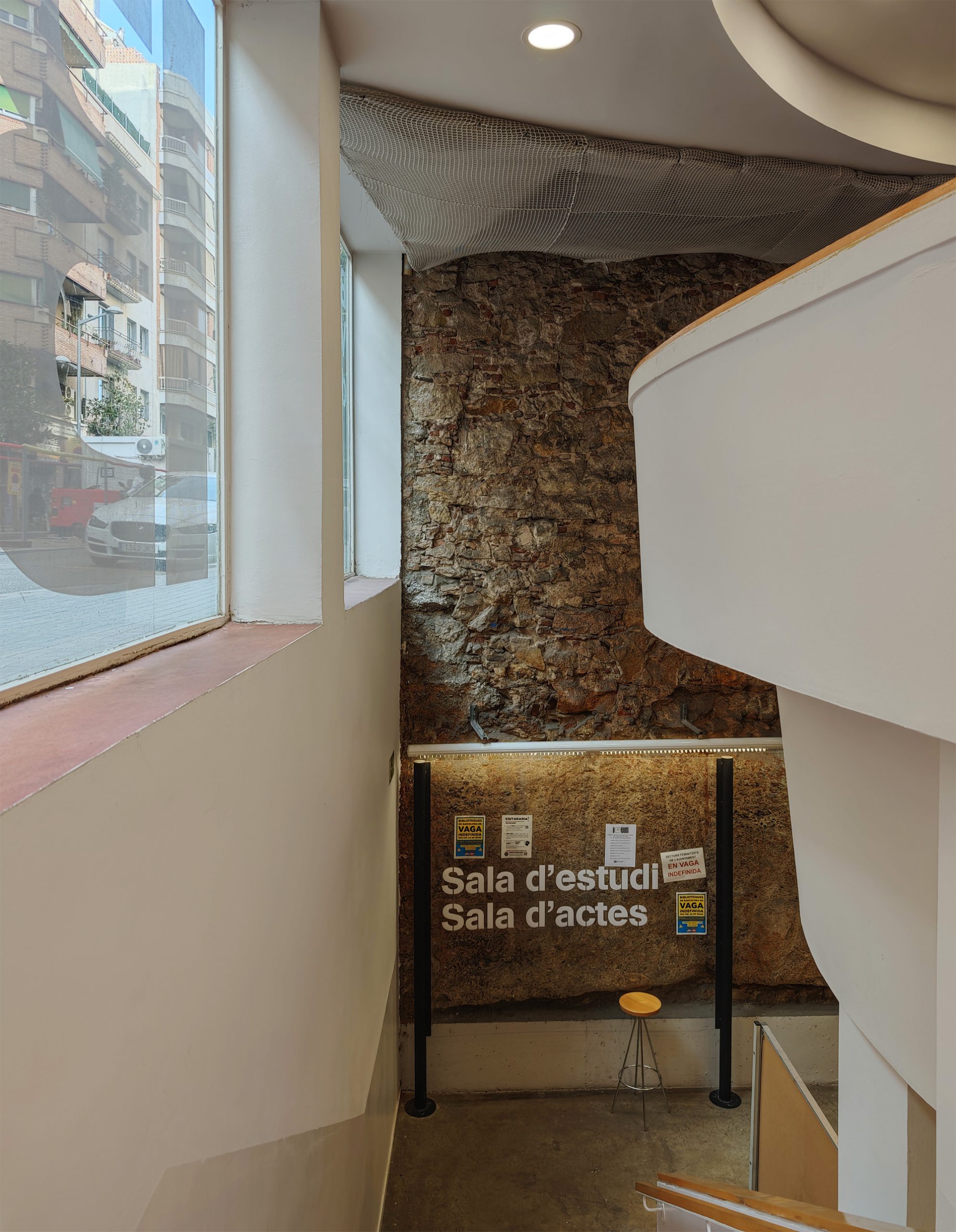
The action takes place in a bar, in the basement of a building by Pere Benavent erected in the times of the Spanish Republic, which neither of us usually misses on pay-to-view football days or today, the Roland Garros final.
La acción en un bar, en los bajos de un edificio de Pere Benavent construido en tiempos de nuestra República, al que no solemos faltar ninguno de los dos en día de fútbol de pago y, hoy, por la final de Roland Garros.
Two other customers, unknown but whose names, Cipión and Berganza, emerge during the conversation, seem to be talking about architecture. They remain entertained in their debate as Nadal volleys from the back of the court with his powerful left drive.
Otros dos clientes, desconocidos, pero cuyos nombres, Cipión y Berganza, resultan de la conversación, parecen estar hablando de arquitectura. Mientras Nadal resta desde el fondo con su prodigiosa zurda, ellos siguen un entretenido coloquio.
As we follow the match as best we can with both eyes and a heartfelt “Oohh!”, both ears are attuned to the conversation between the ostensible architects, which, faithfully but prudently transcribed, is what we offer the reader.
Nosotros, en tanto, atendemos como podemos con los dos ojos y con un ay en el pecho a la pantalla, y con las dos orejas al coloquio de los dizque arquitectos, que, fiel pero prudentemente transcrito, es éste que se ofrece en seguido al lector.
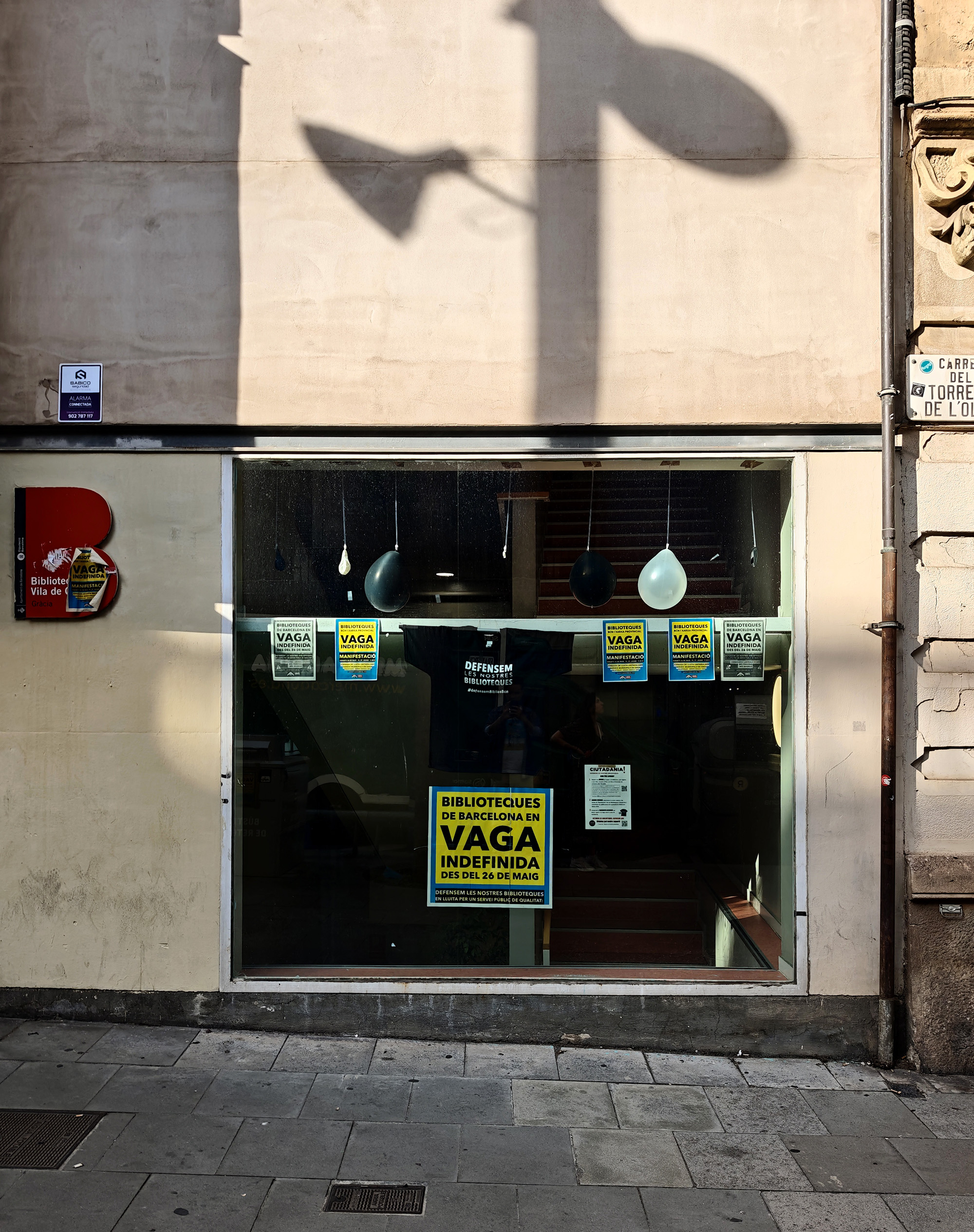
Cipión: Have you ever visited the library next door?
Cipión: ¿Has entrado alguna vez en la biblioteca de aquí al lado?
Berganza: I even have a reader’s card. Yes, I have gone in several times. Once when it was being built. I coincided with the architect when he was inspecting the works and he let me go along with him.
Berganza: Incluso tengo la tarjeta de lector. Sí, he entrado varias veces. Una, cuando la estaban construyendo. Me encontré con el arquitecto cuando iba de visita de obra y me dejó ir con él.
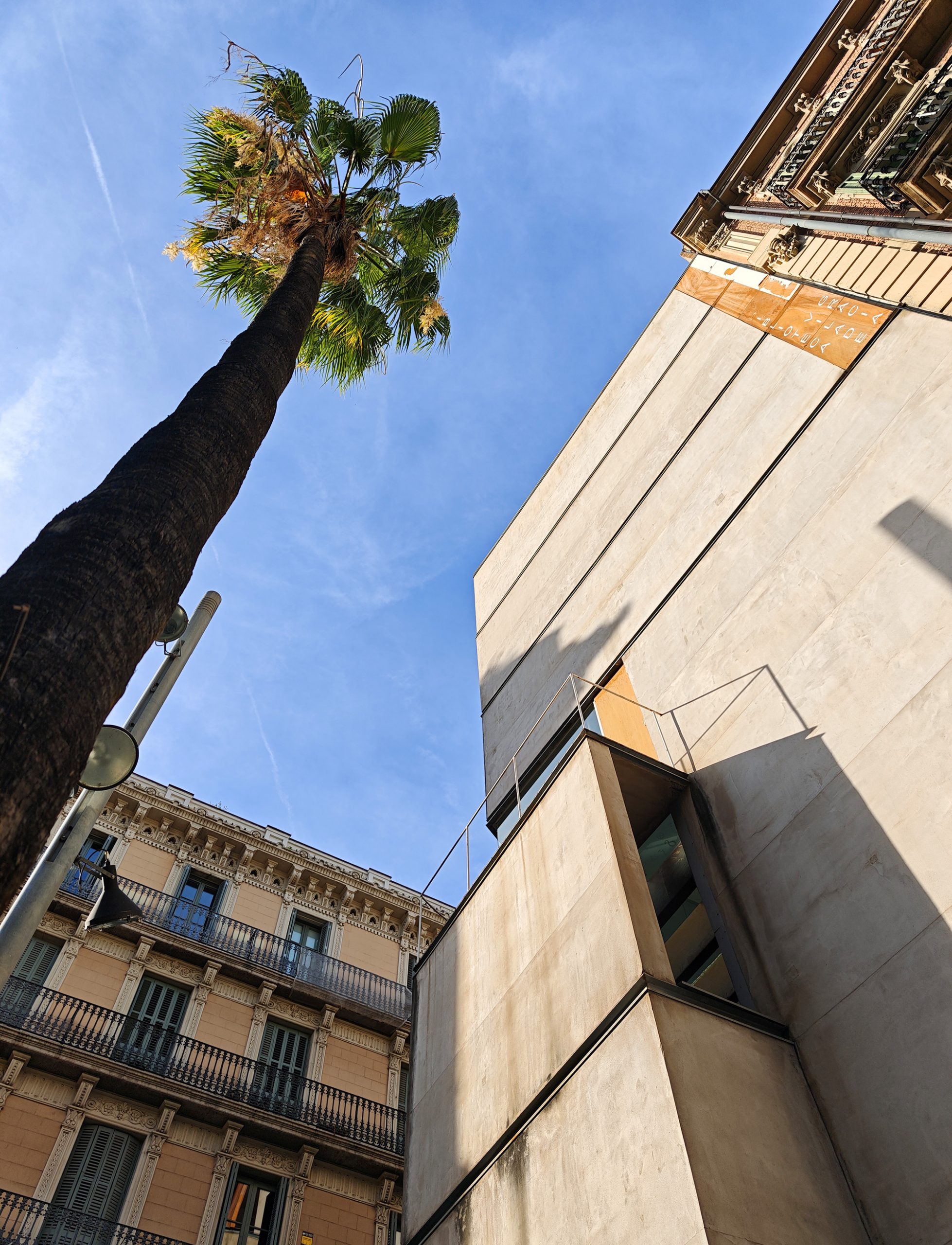
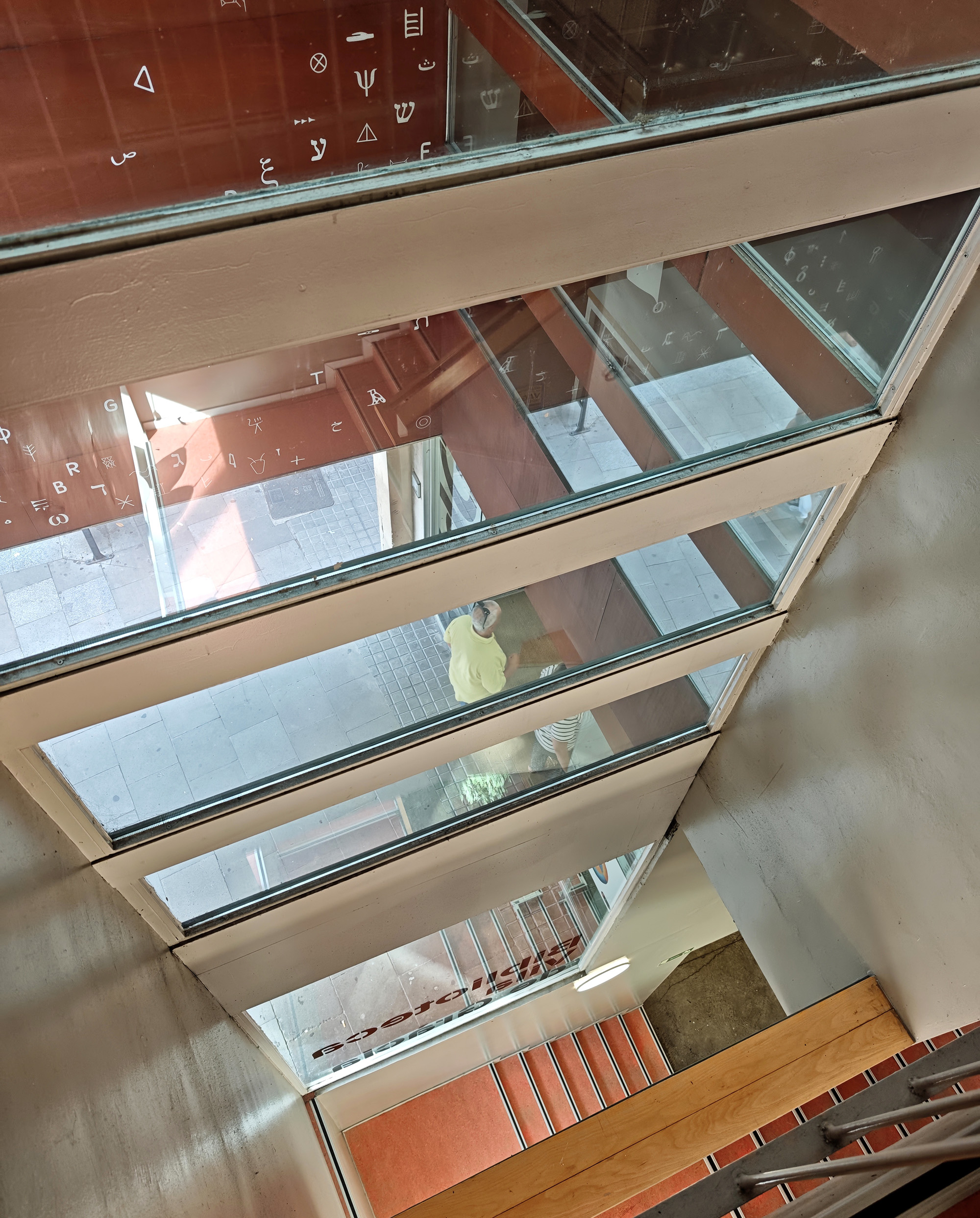
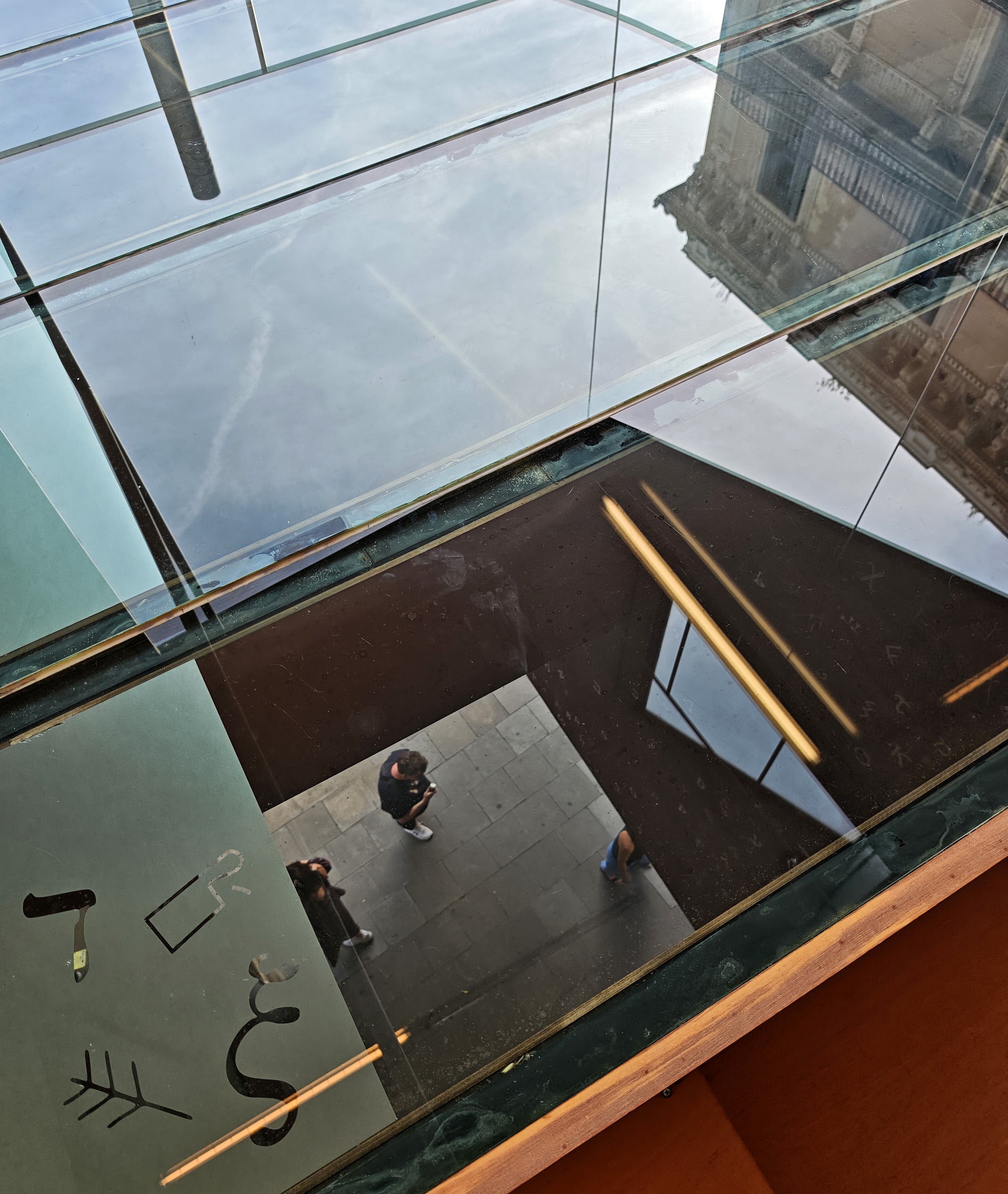
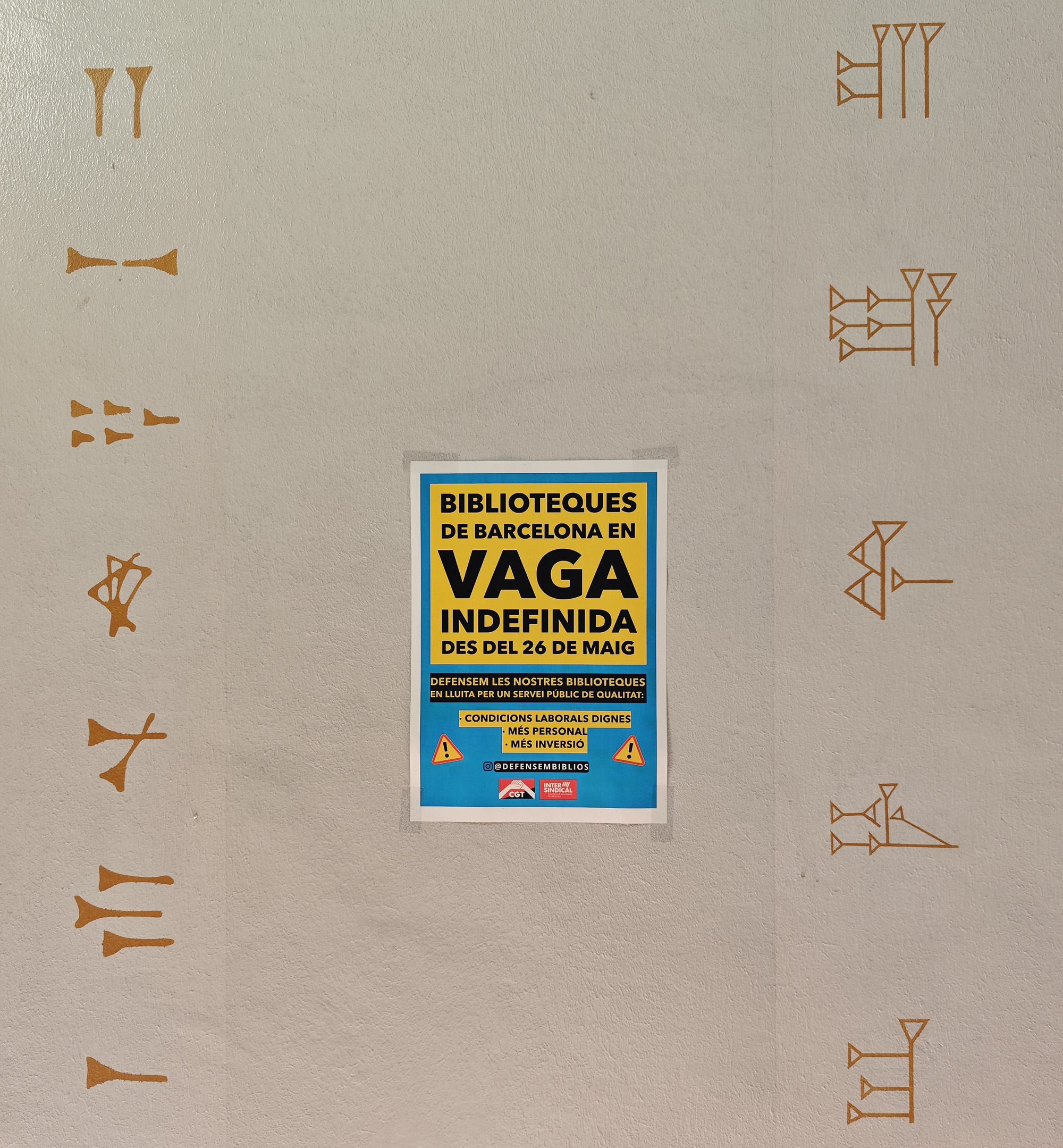
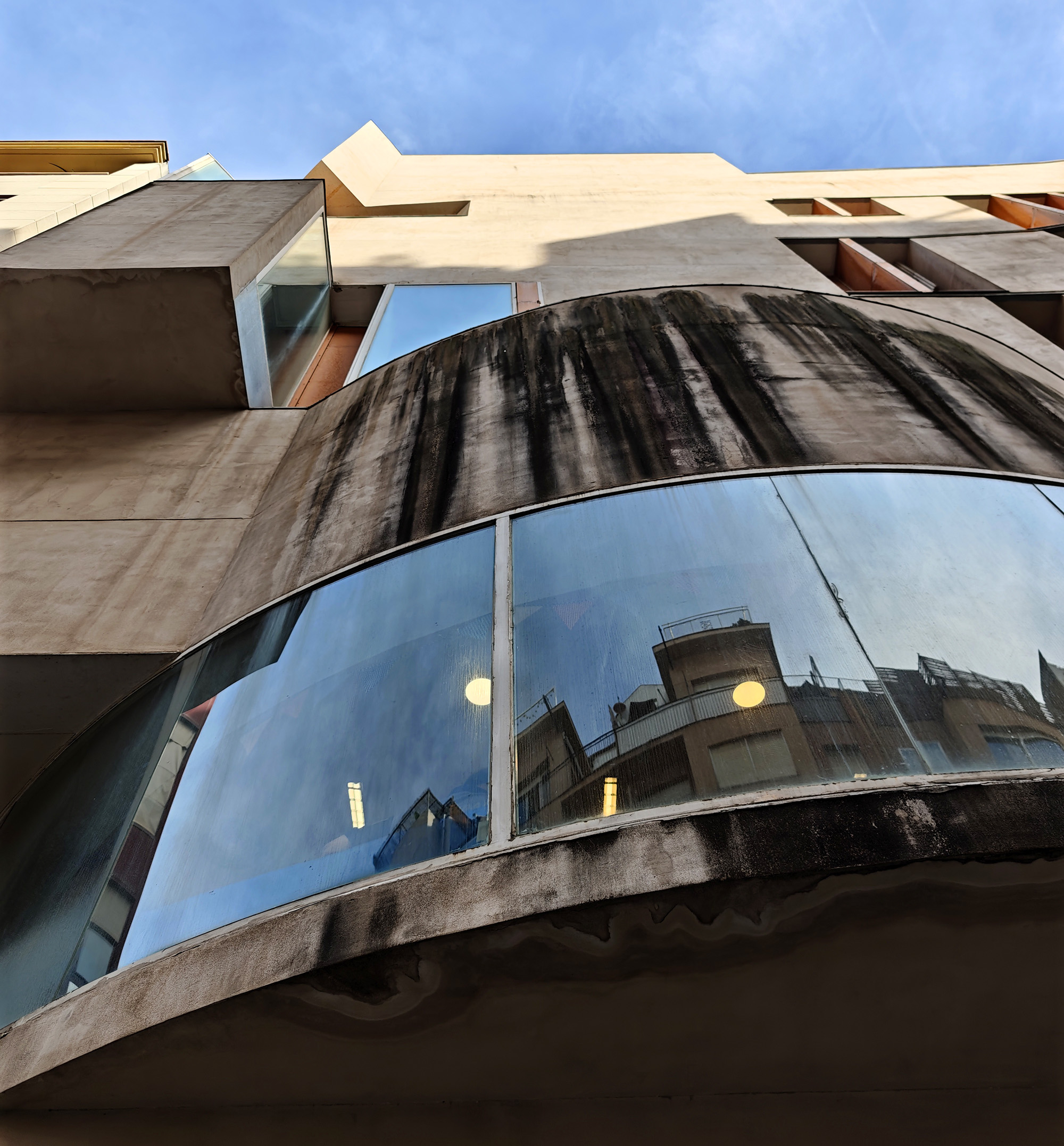
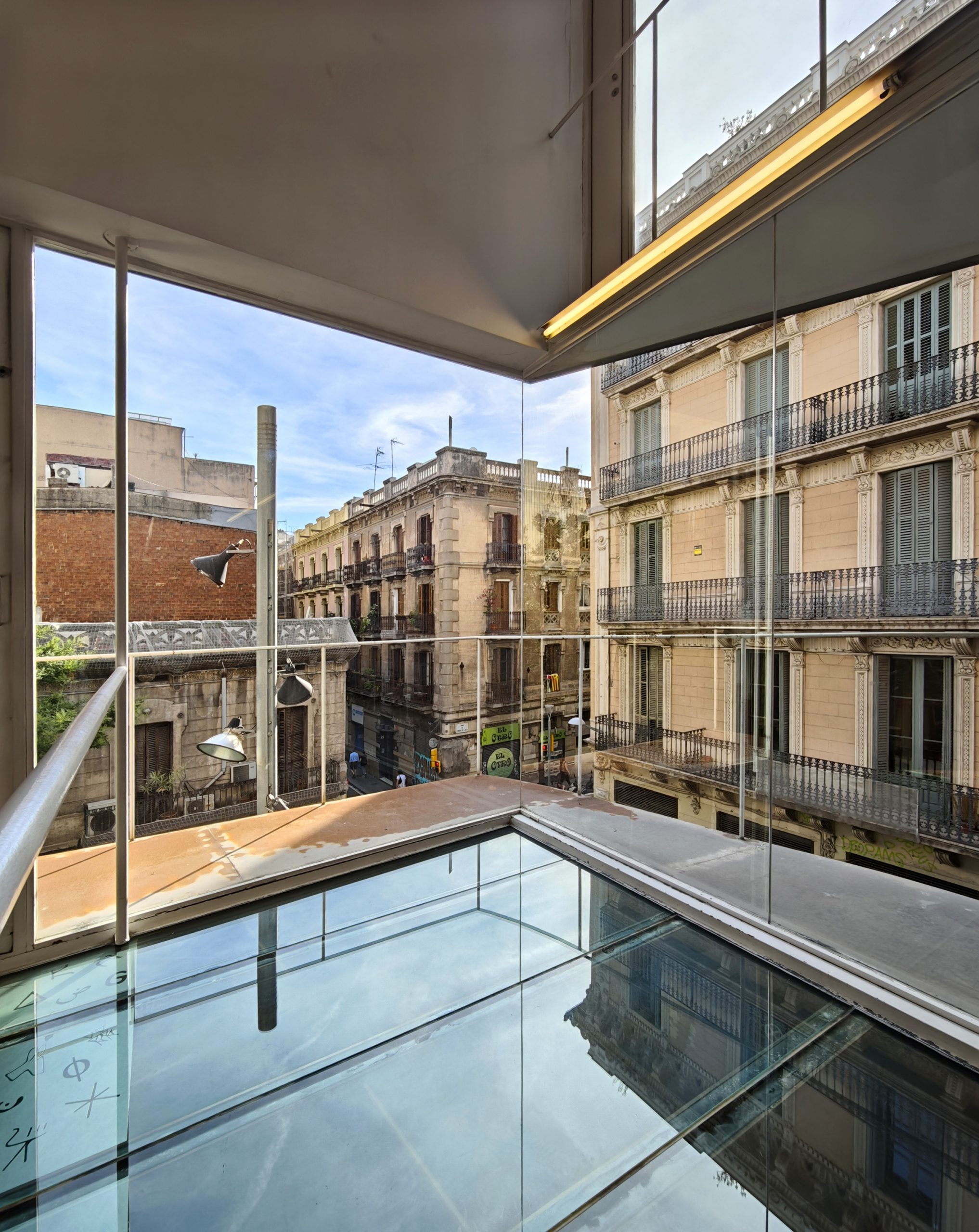
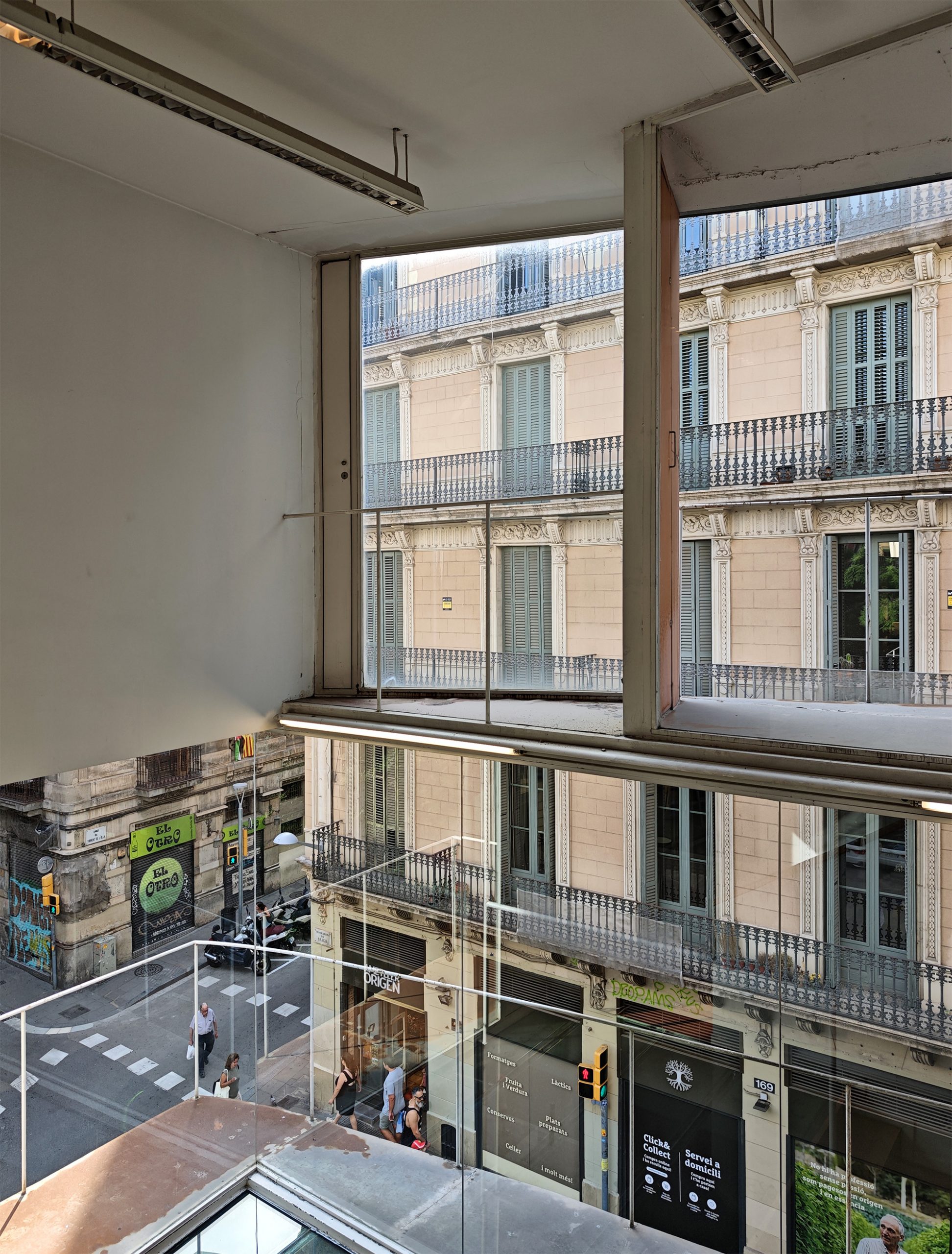
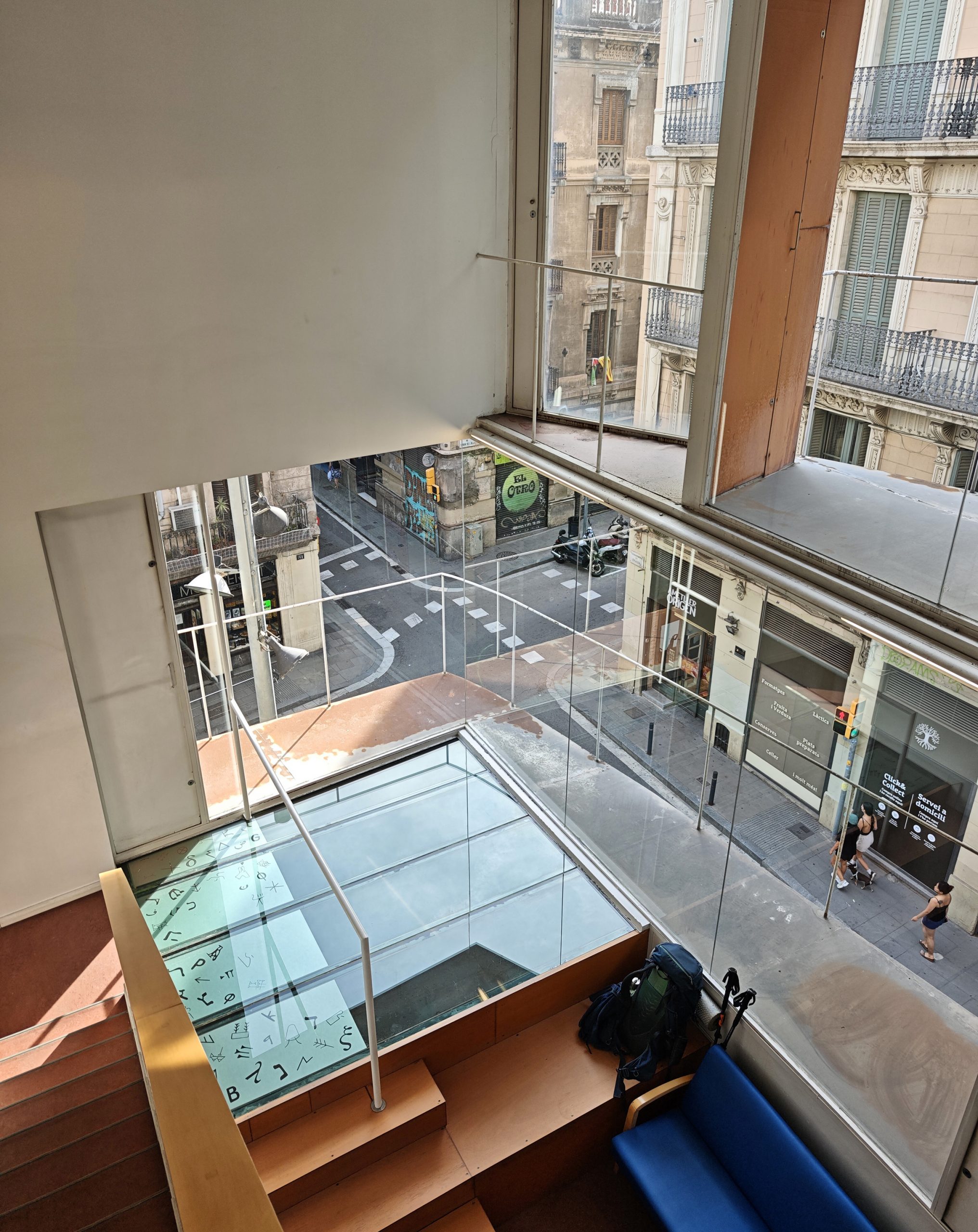
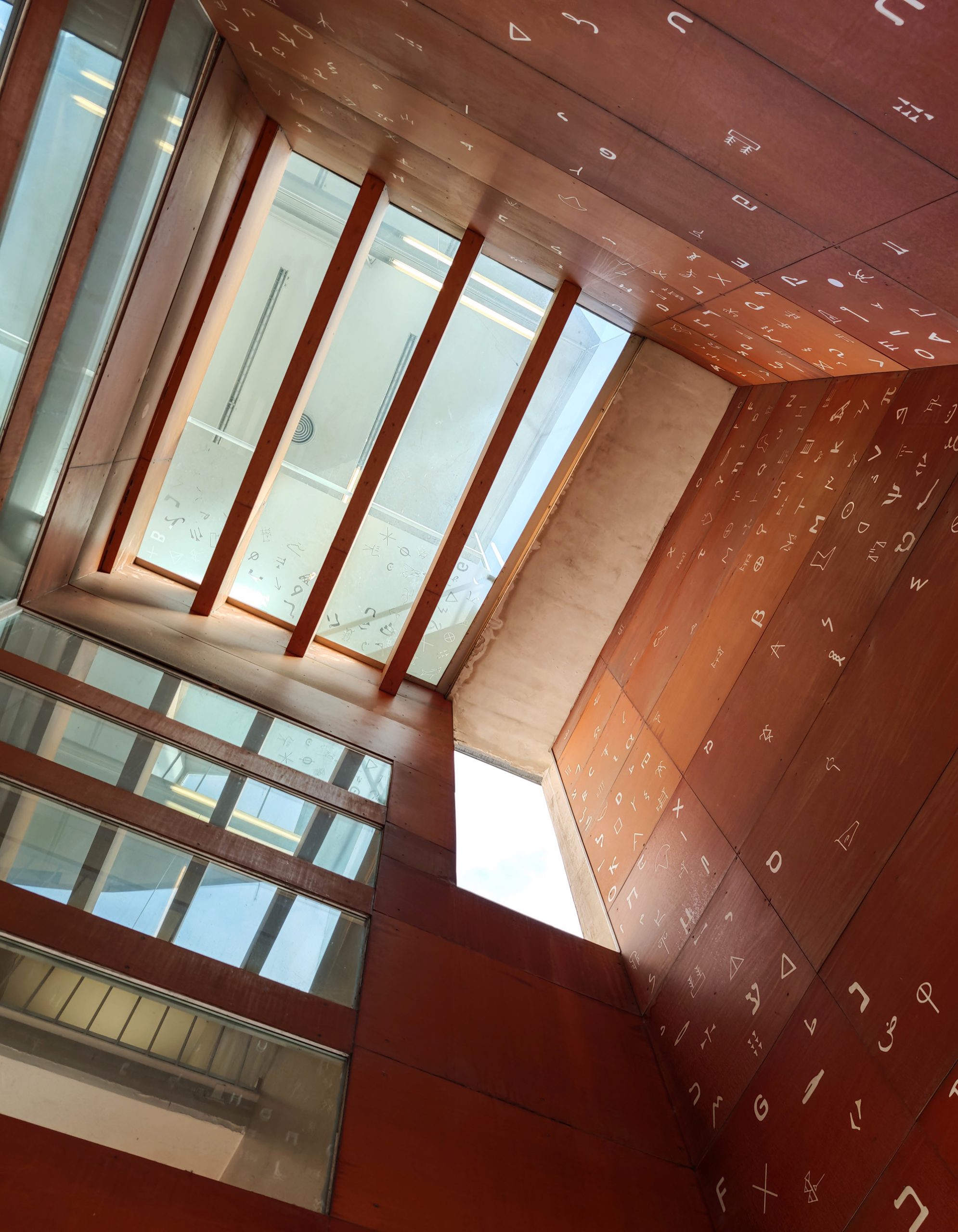
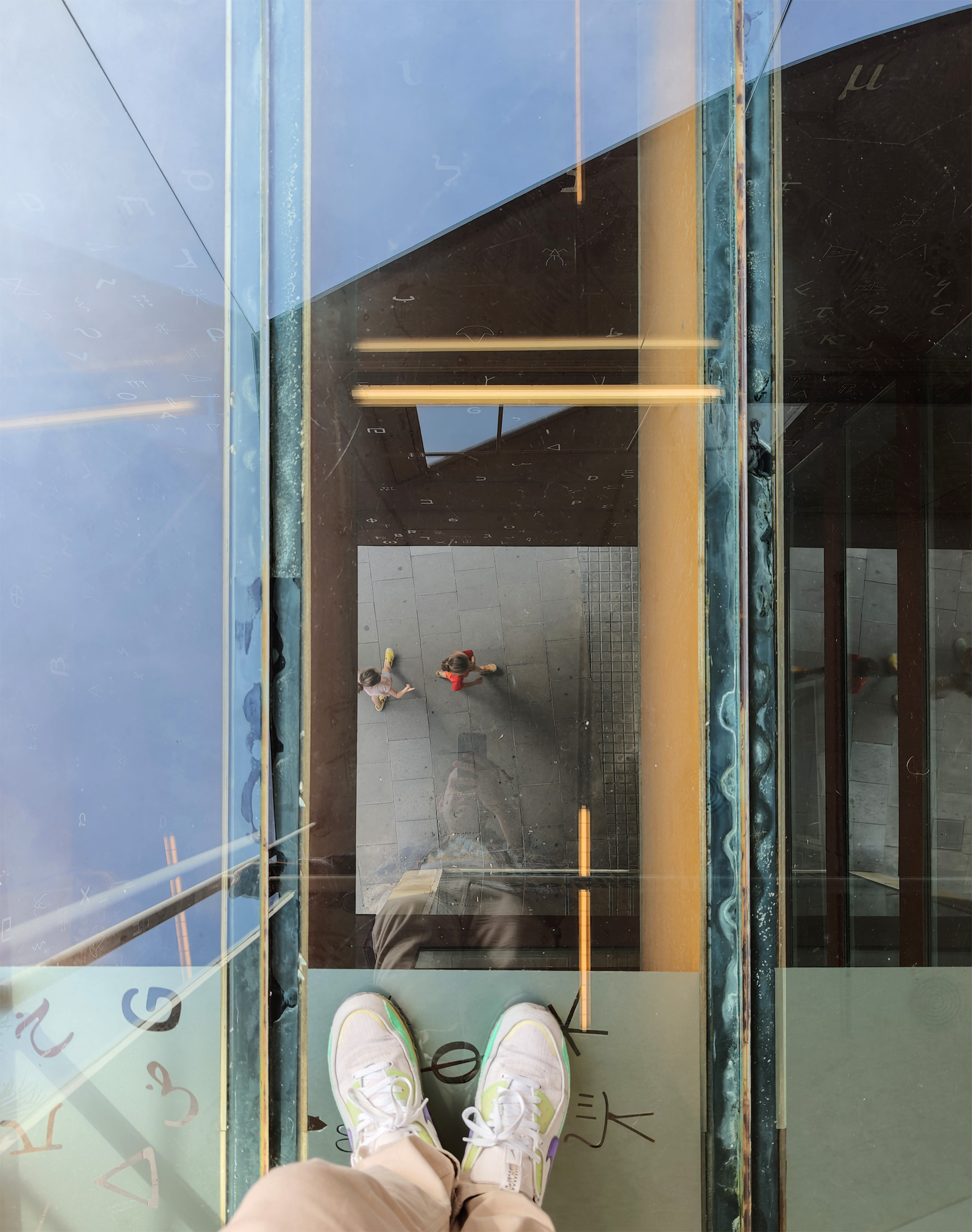
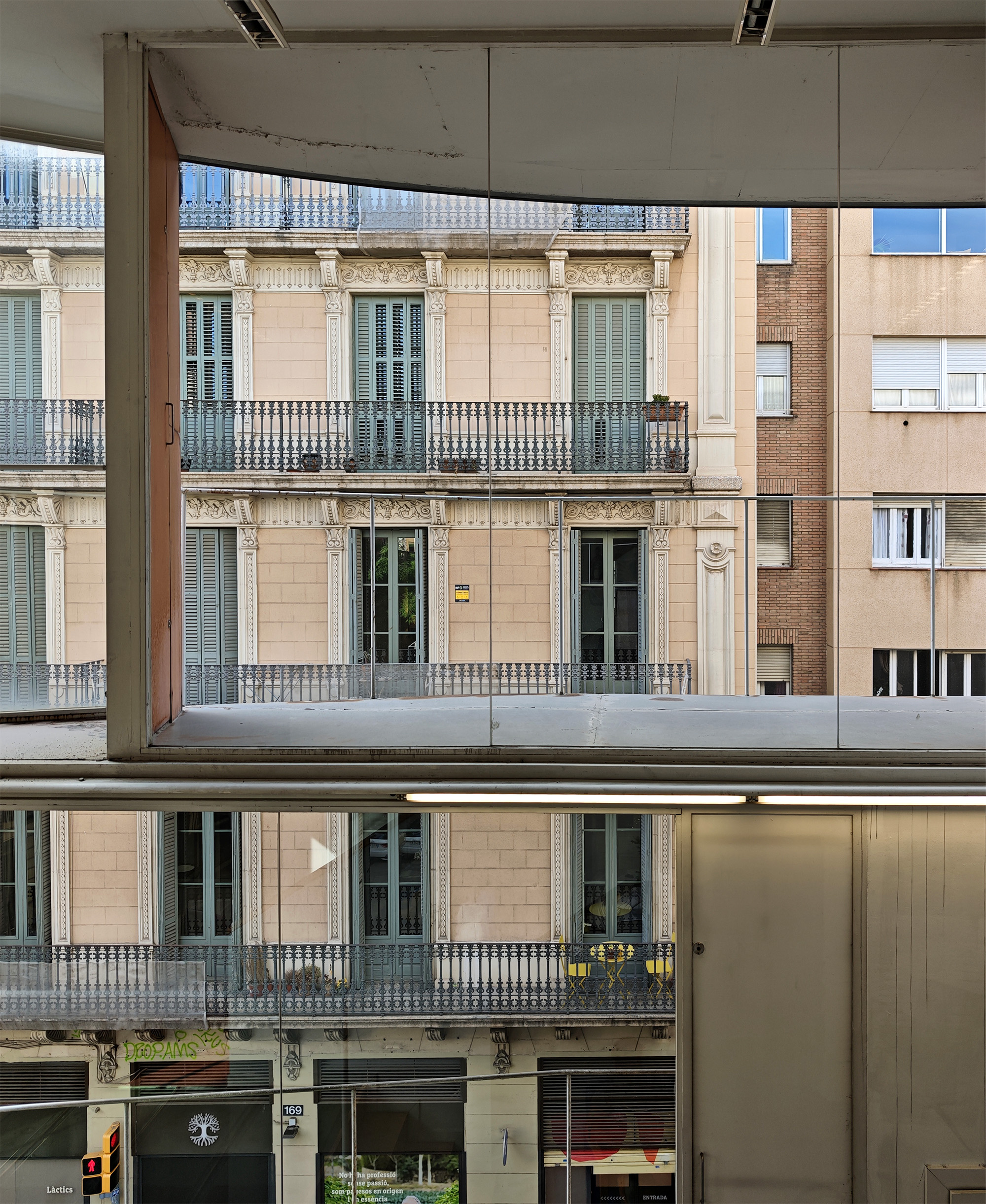
—Do you know Pepe Llinás? Whenever I walk across the top on the glass floor, I get vertigo. It’s like standing above a well. Yet when I go in, I never remember to look up from below to see what you are looking at from above. It reminds me of a character in one of Juan Marsé’s books who sticks bits of a mirror on his shoes to catch a glimpse of girls’ underwear in the lobby of the _Roxy_ during the post-war period. Yet when I look up, I think I will be hit by the falling letters and so I pass through quickly, without lifting my head.
—¿Tú conoces a Pepe Llinás? Yo, cuando paso por arriba, sobre el suelo de cristal, tengo hasta vértigo. Es como estar de pie sobre un pozo. Pero, cuando entro, nunca me acuerdo de mirar desde abajo, a ver qué se ve por arriba. Me hace recordar un personaje de Juan Marsé, uno que se pegaba trozos de espejo sobre los zapatos para entrever reflejadas las bragas de las chicas, en el vestíbulo del Roxy, cuando la posguerra. Pero si miro hacia arriba creo que me han de dar las letras que caen, y paso deprisa, sin levantar la cabeza.
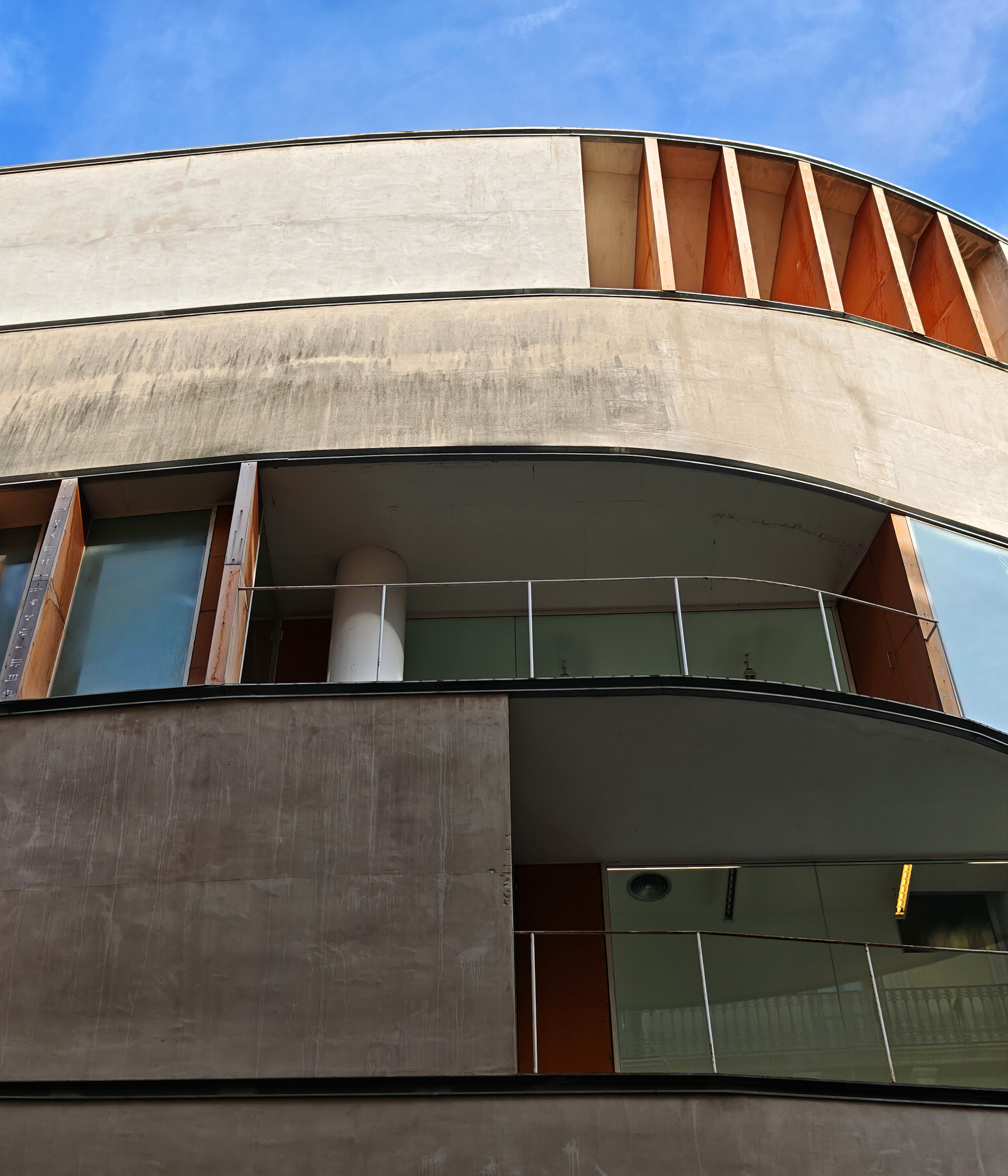
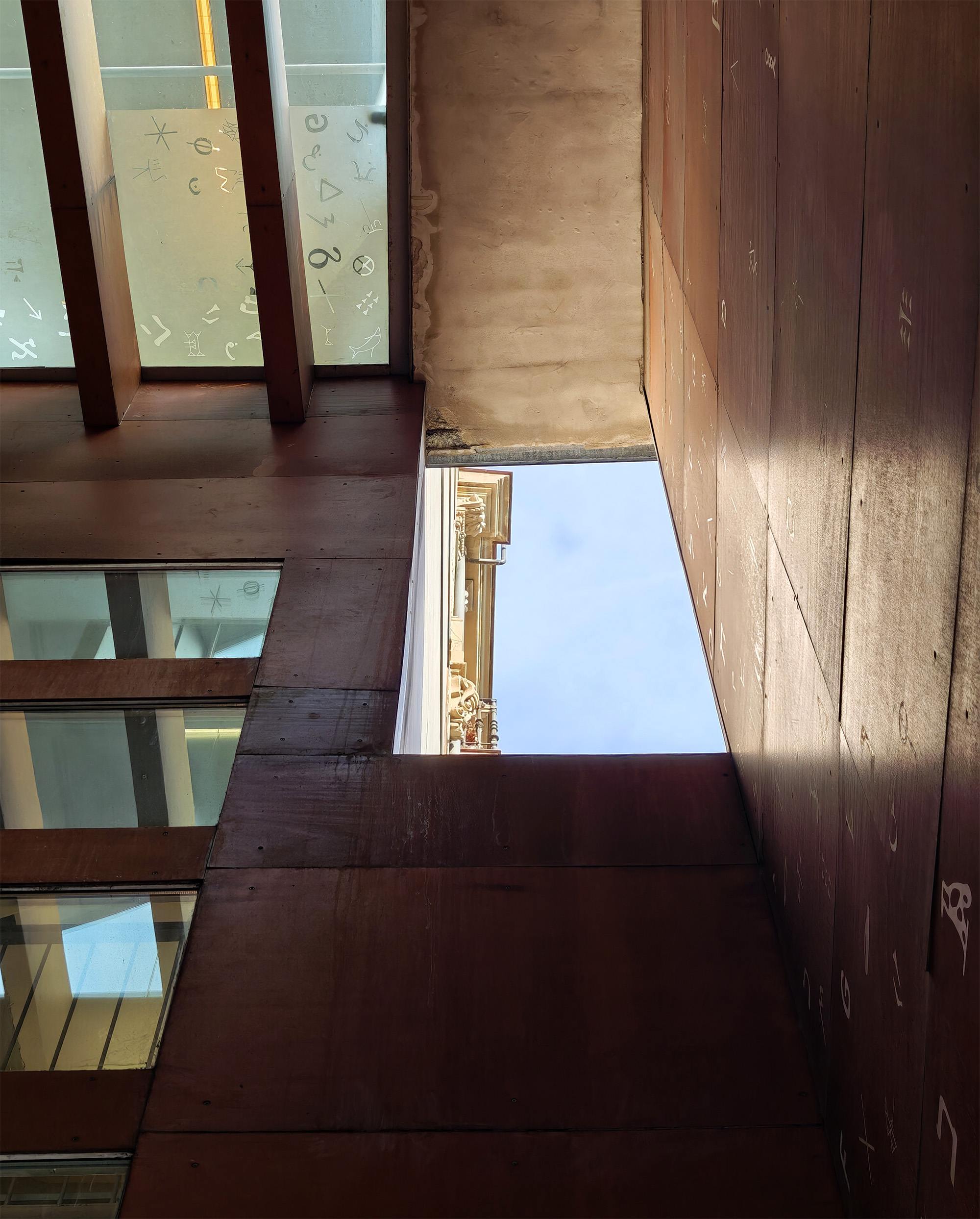
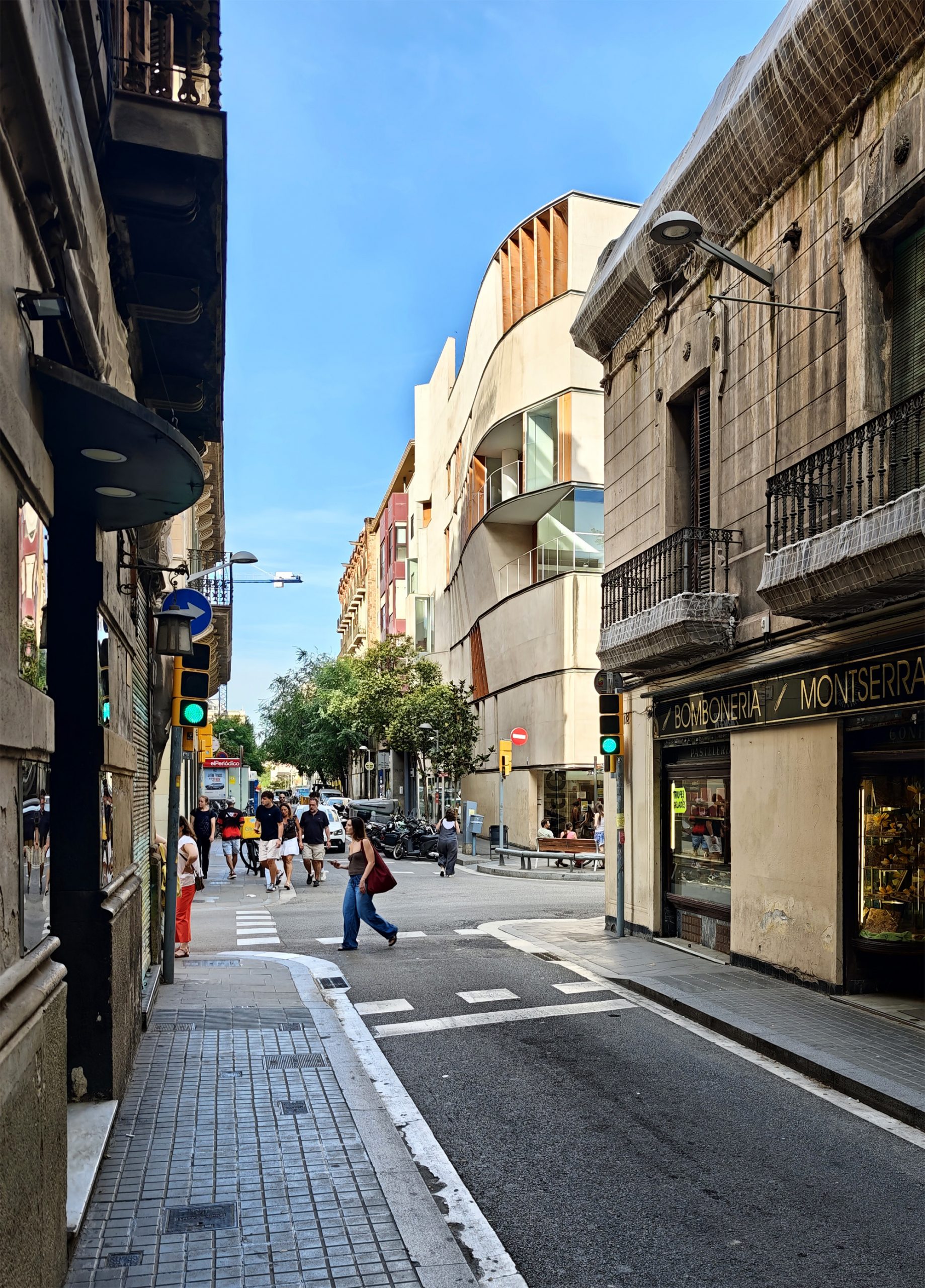
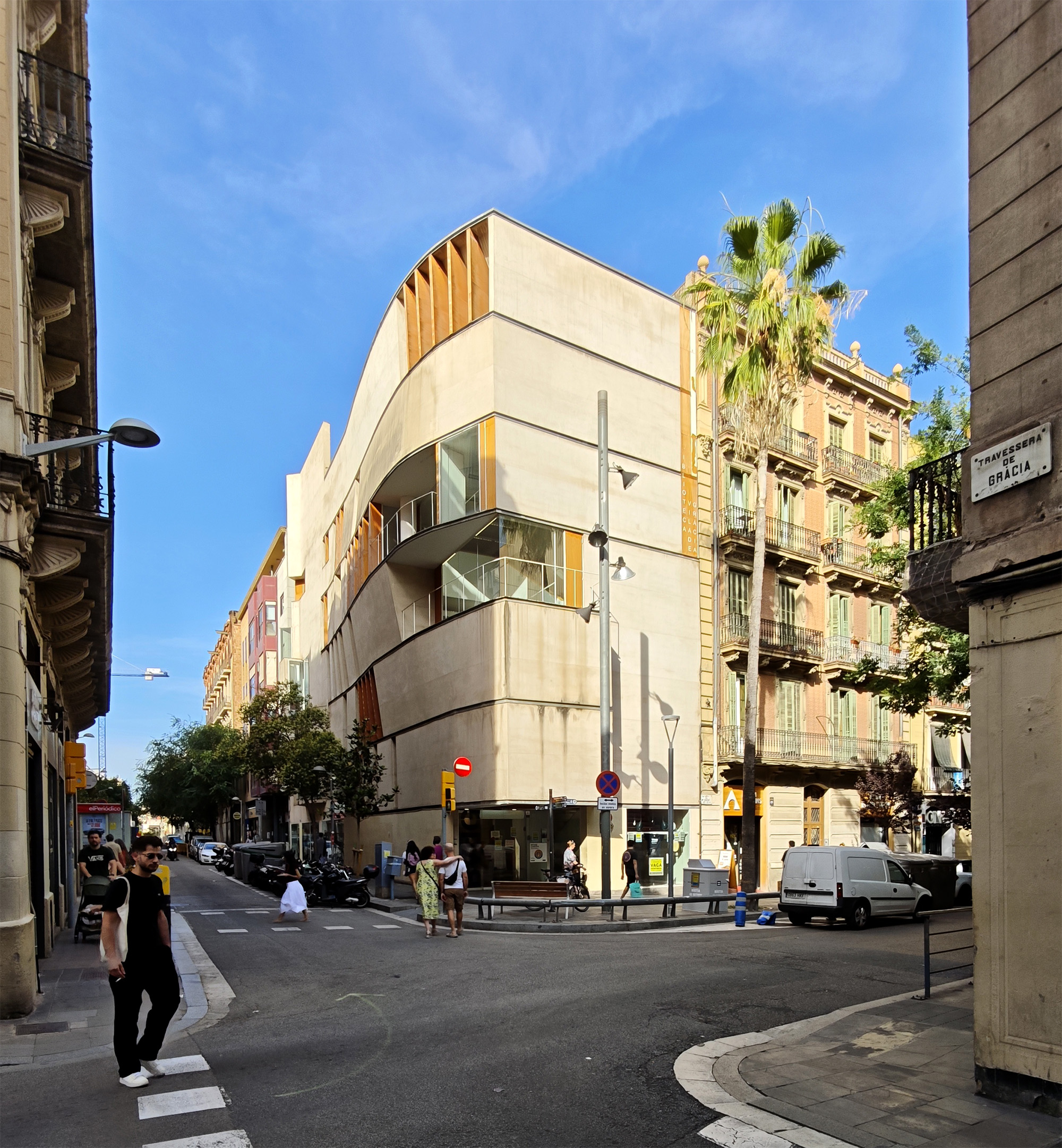
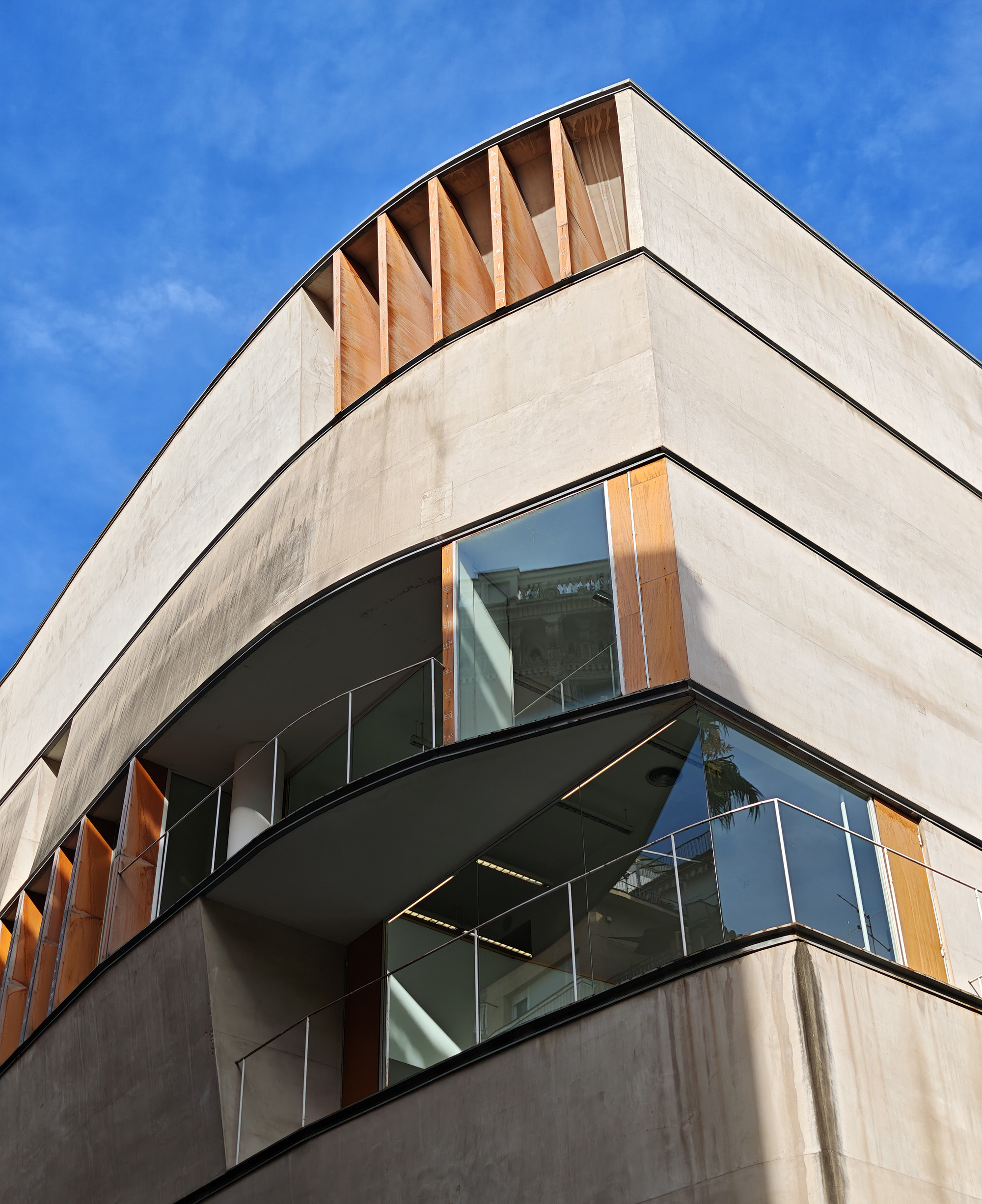
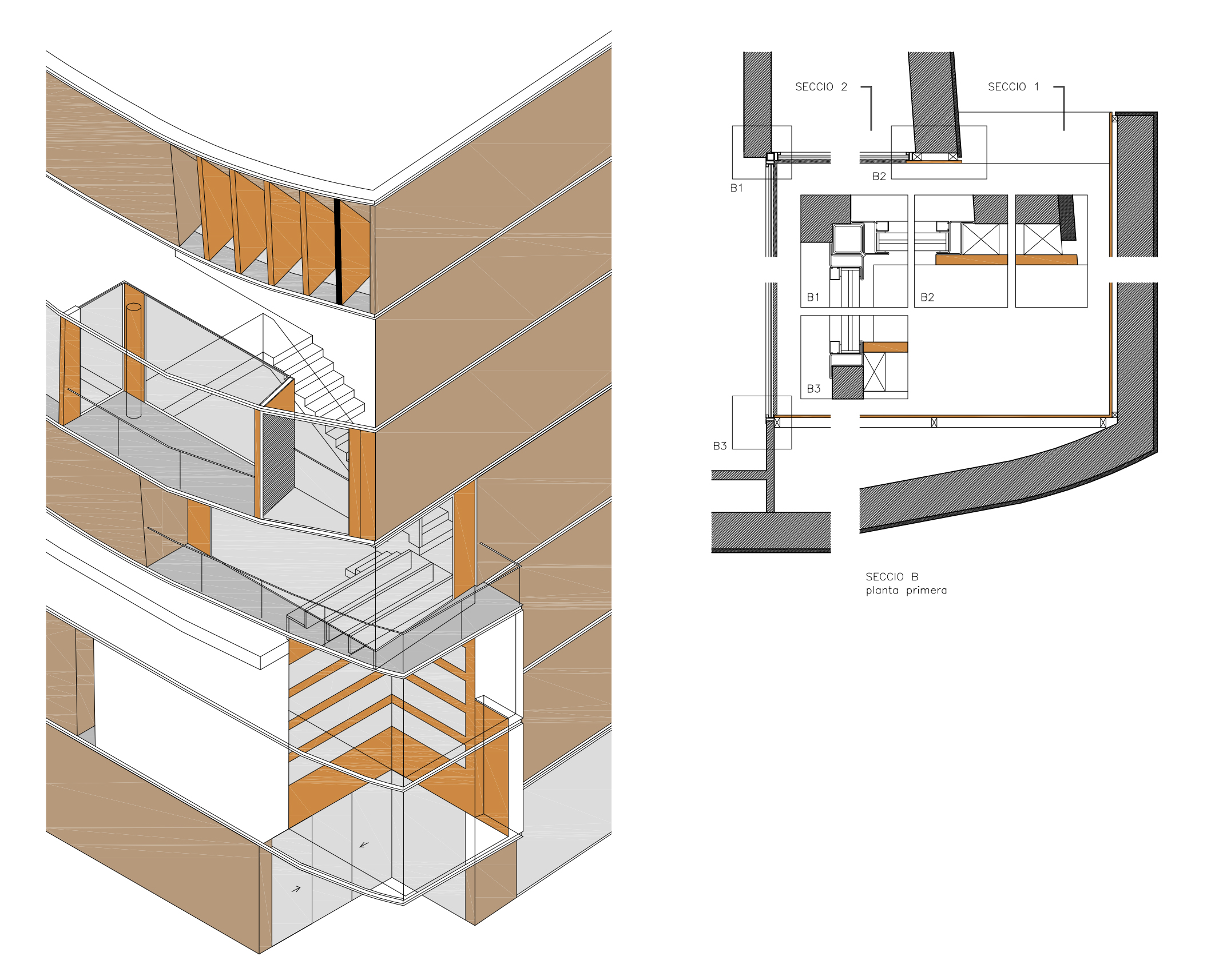
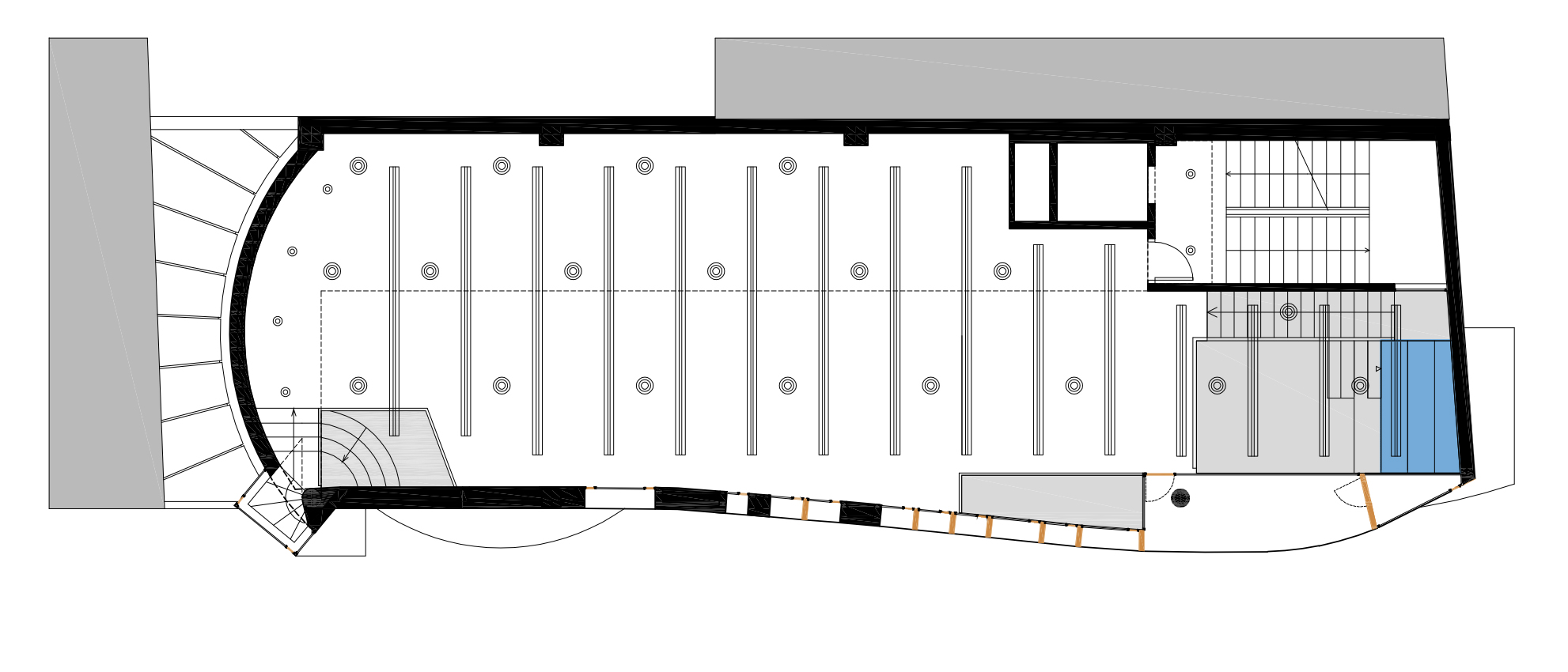
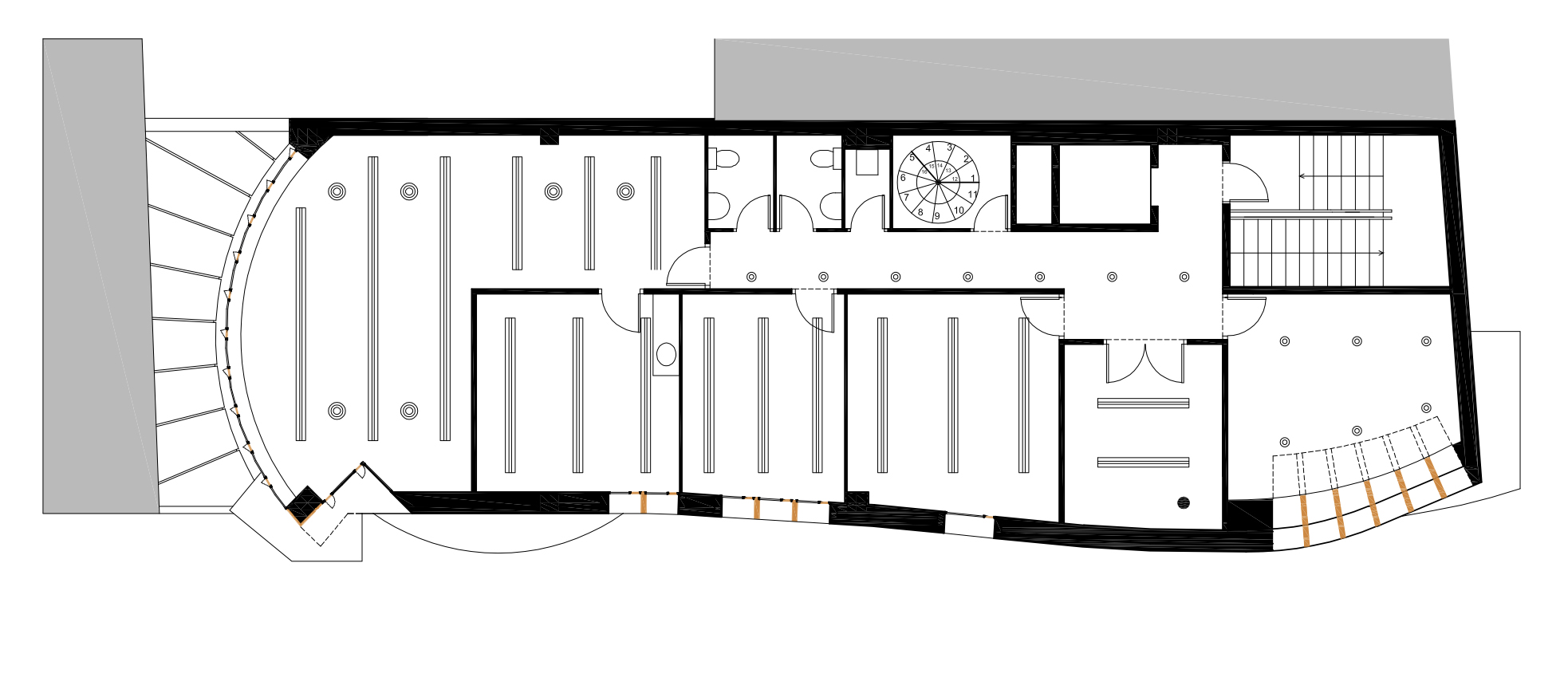
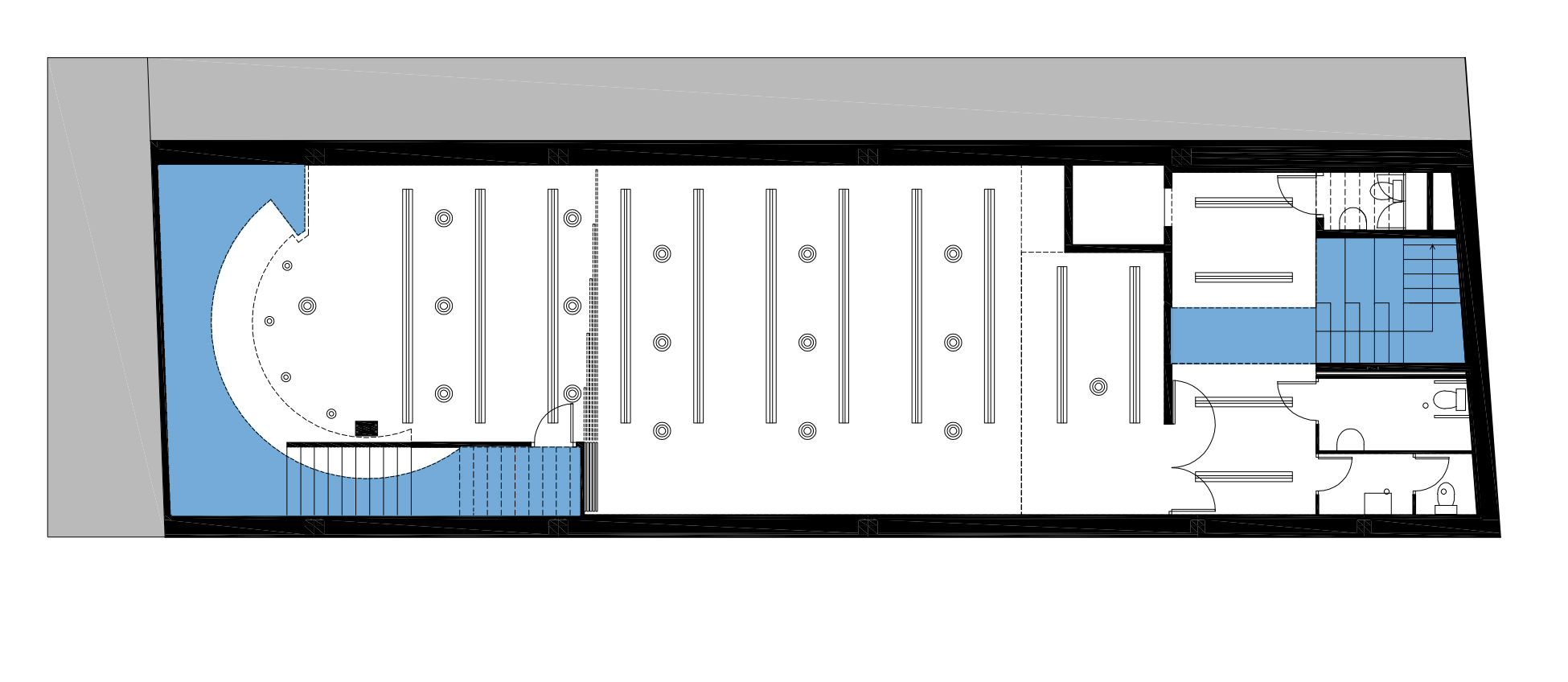
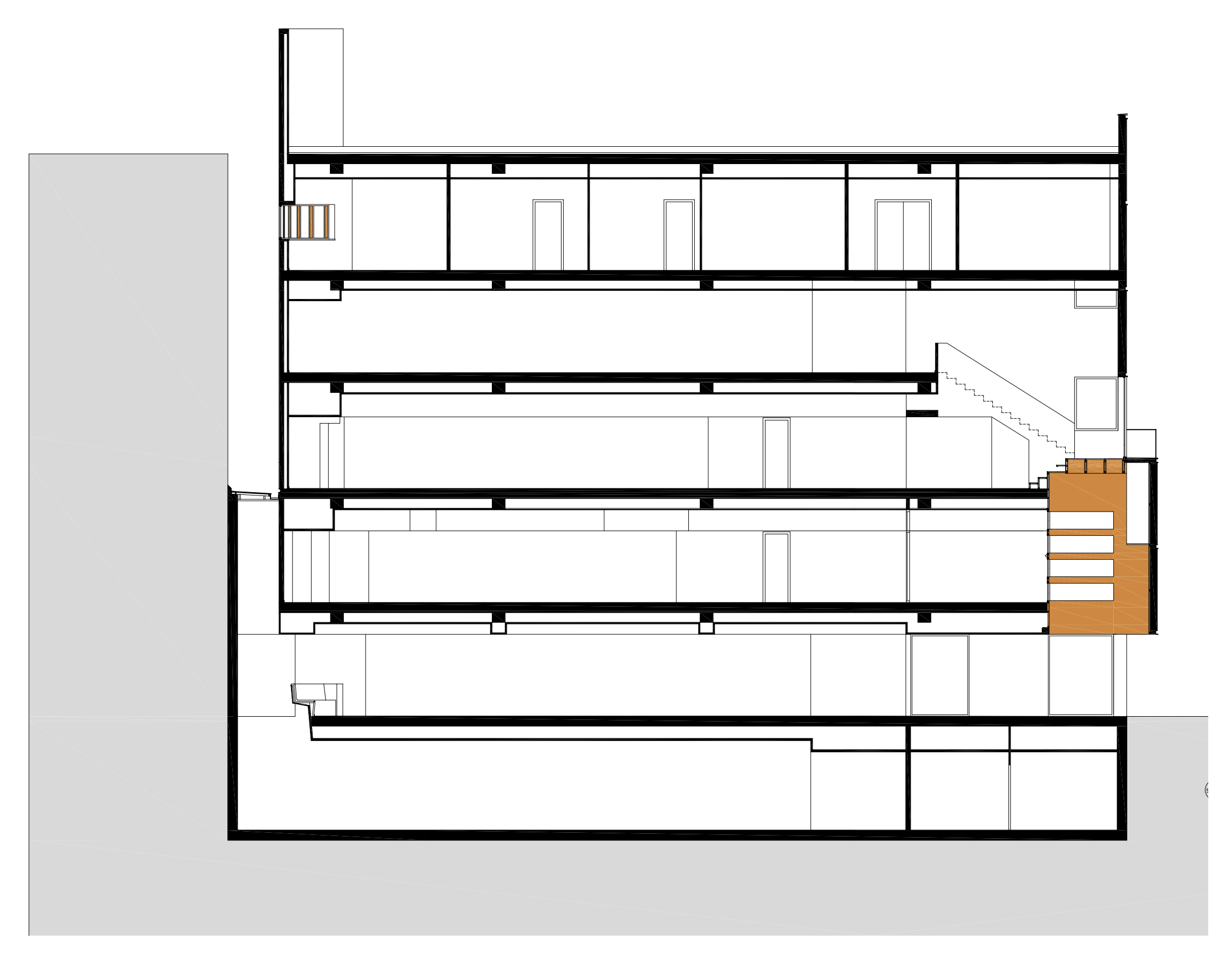
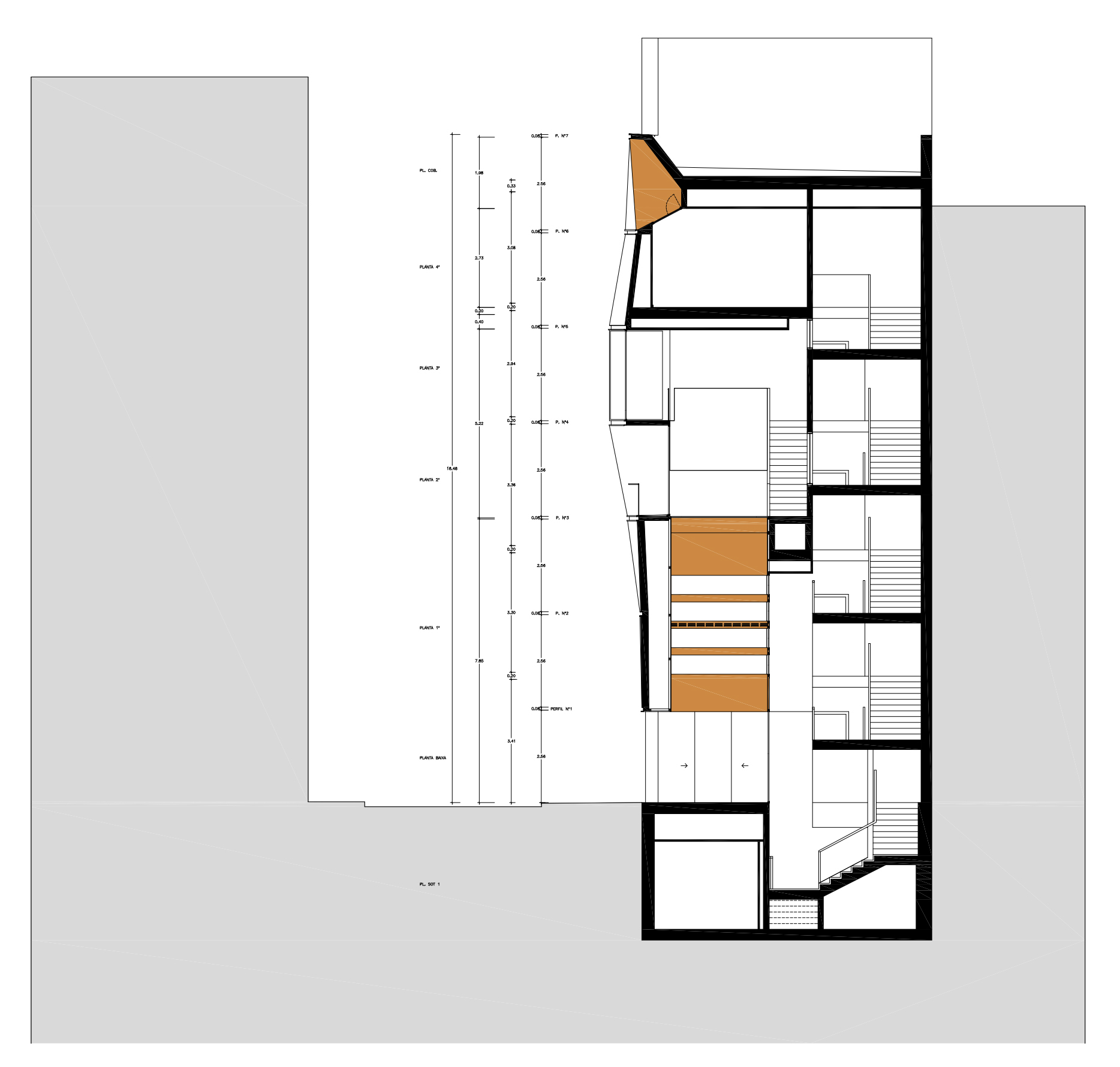
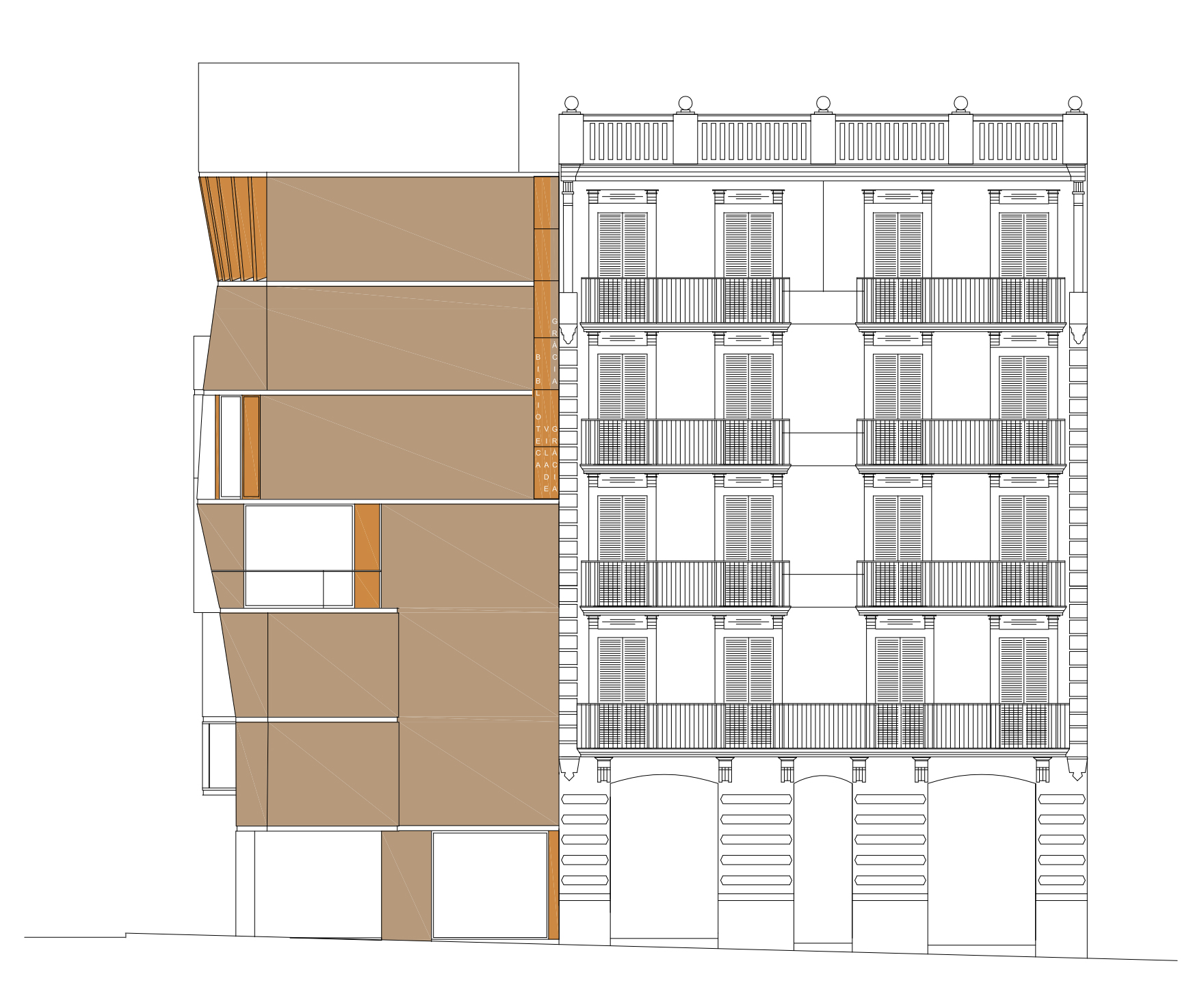
—That poor guy and his shoes. It’s all a matter of resisting: imagine living through that now. He’d be beyond himself. What you’re saying about the library is on the corner of the building; it’s as if the corner, which has to hold up all the weight, suddenly opened its hands and the walls moved apart, staying upright without touching the floor, with only the letters in the books falling like a hail of confetti.
—Pobre el de los zapatos. Todo es cuestión de resistir. Imagínatelo viviendo ahora. Se pondría las botas. Lo que cuentas de la biblioteca está en la esquina del edificio. Es como si la esquina, a la que le toca sostener todo el peso, en cambio de pronto abriera las manos y las paredes se apartaran, sosteniéndose sin venir al suelo, y sólo cayeran las letras de los libros, como una lluvia de confeti.
—Now that Jujol and Brossa can’t leave home, I can imagine a lecture by Pepe Llinás accompanied by Pep Bou and maybe Cesc Gelabert. Perejaume would be the only one capable of introducing the event.
—Ahora que Jujol y Brossa no pueden salir de casa, me imagino una conferencia de Pepe Llinás acompañado de Pep Bou y, quizás, de Cesc Gelabert. Perejaume sería el único capaz de presentar el acto.
—Astonishment arises from both fear and amazement. People say that architecture should always have a corner that is a little scary, that you peer into cautiously.
—El asombro procede al mismo tiempo del miedo y de la maravilla. Dicen que la arquitectura siempre debe tener algún rincón que asuste un poco, al que uno se asome con precaución.
—Bernard Tschumi also said something like that at the beginning. Pepe explains that library is a suitcase so full of stuff that it can’t be closed without warping, hence the bulge on the façade. It’s the forewarning of the conjurer’s hat that is holding more than it can contain.
—Algo parecido decía también Bernard Tschumi, al empezar. Pepe explica esta biblioteca como una maleta tan llena de cosas que no puede cerrarse sin deformarse, y de ahí el bulto de la fachada. Ya presagia el sombrero del prestidigitador, donde se guarda más de cuanto cabe.
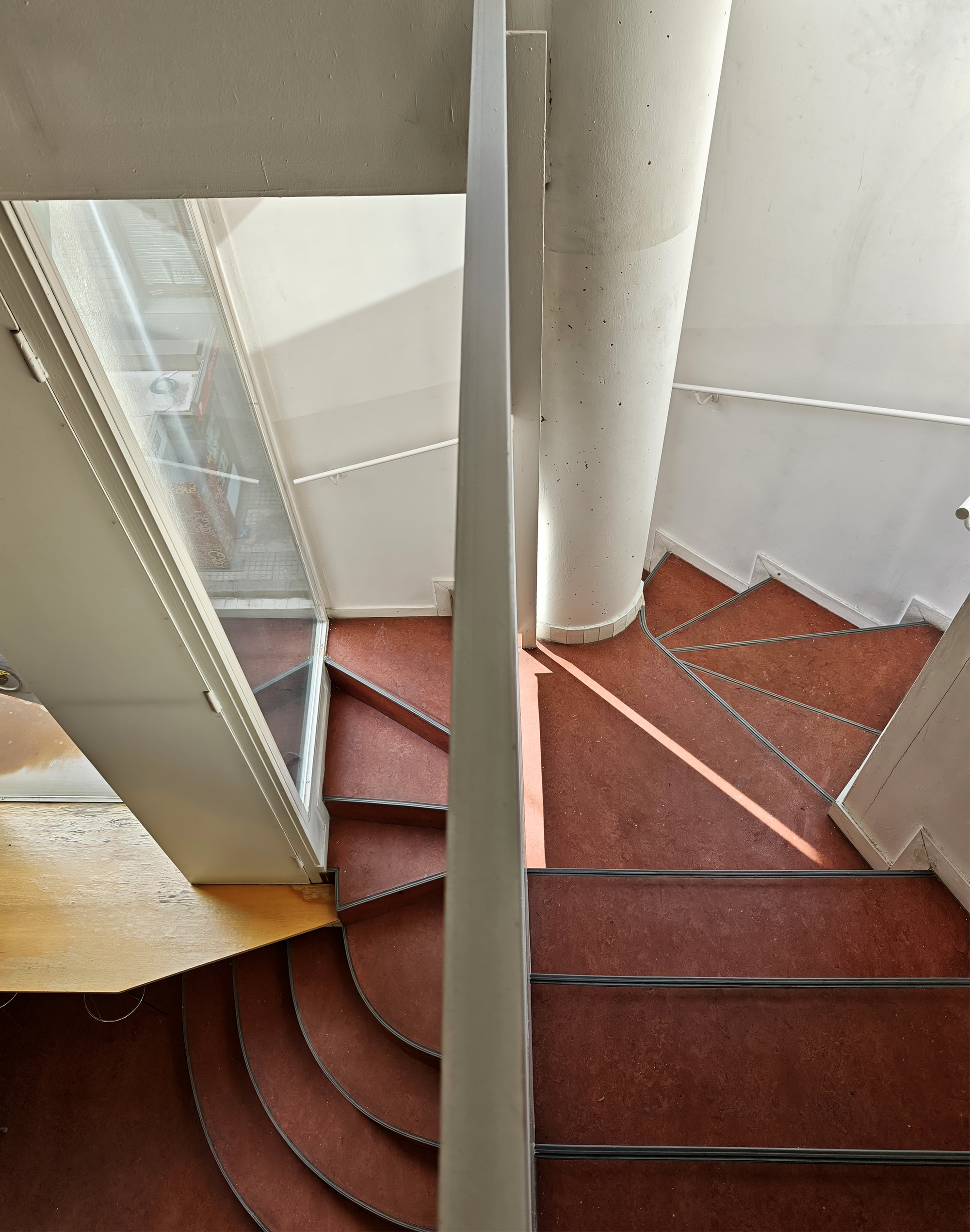
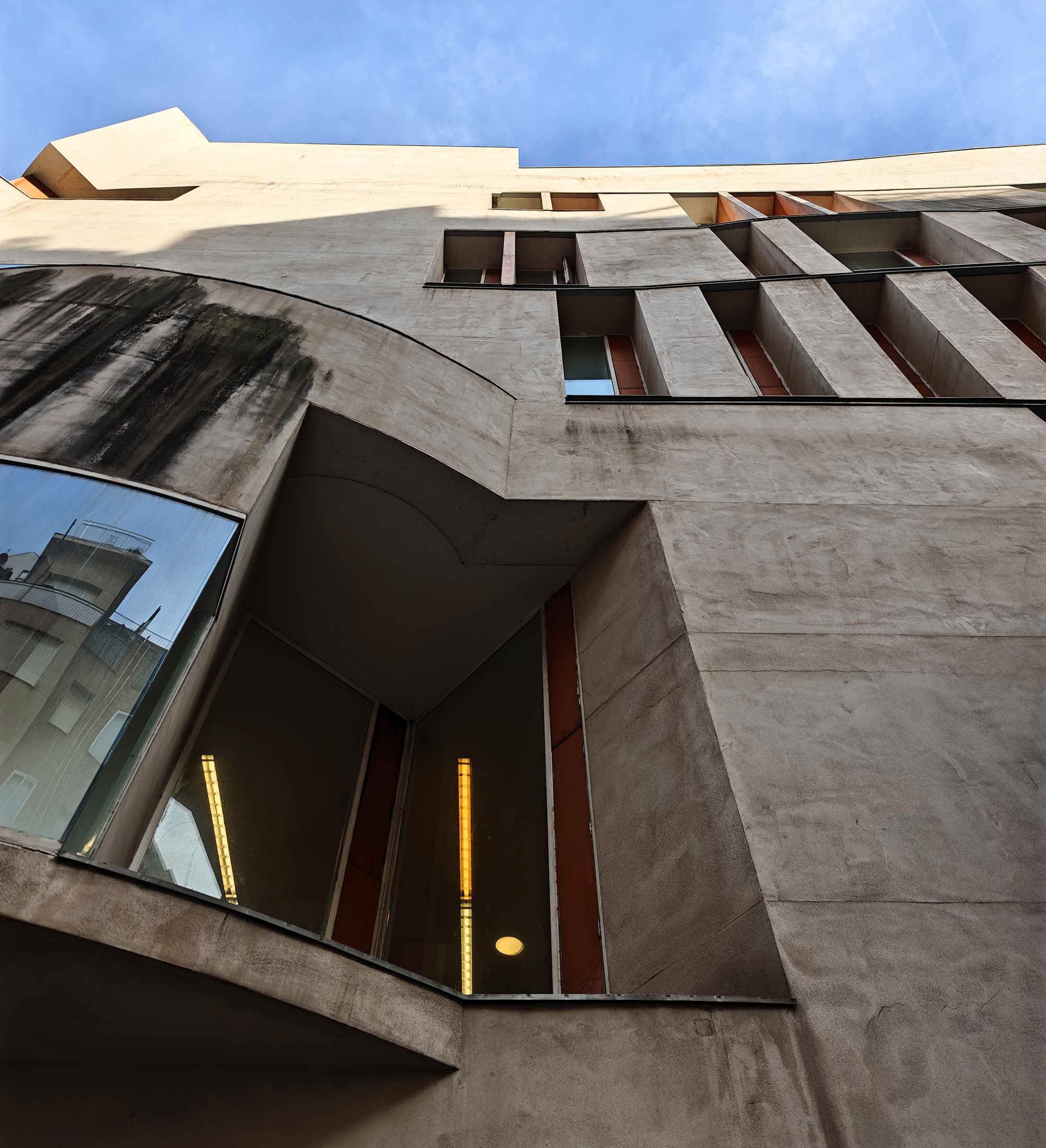
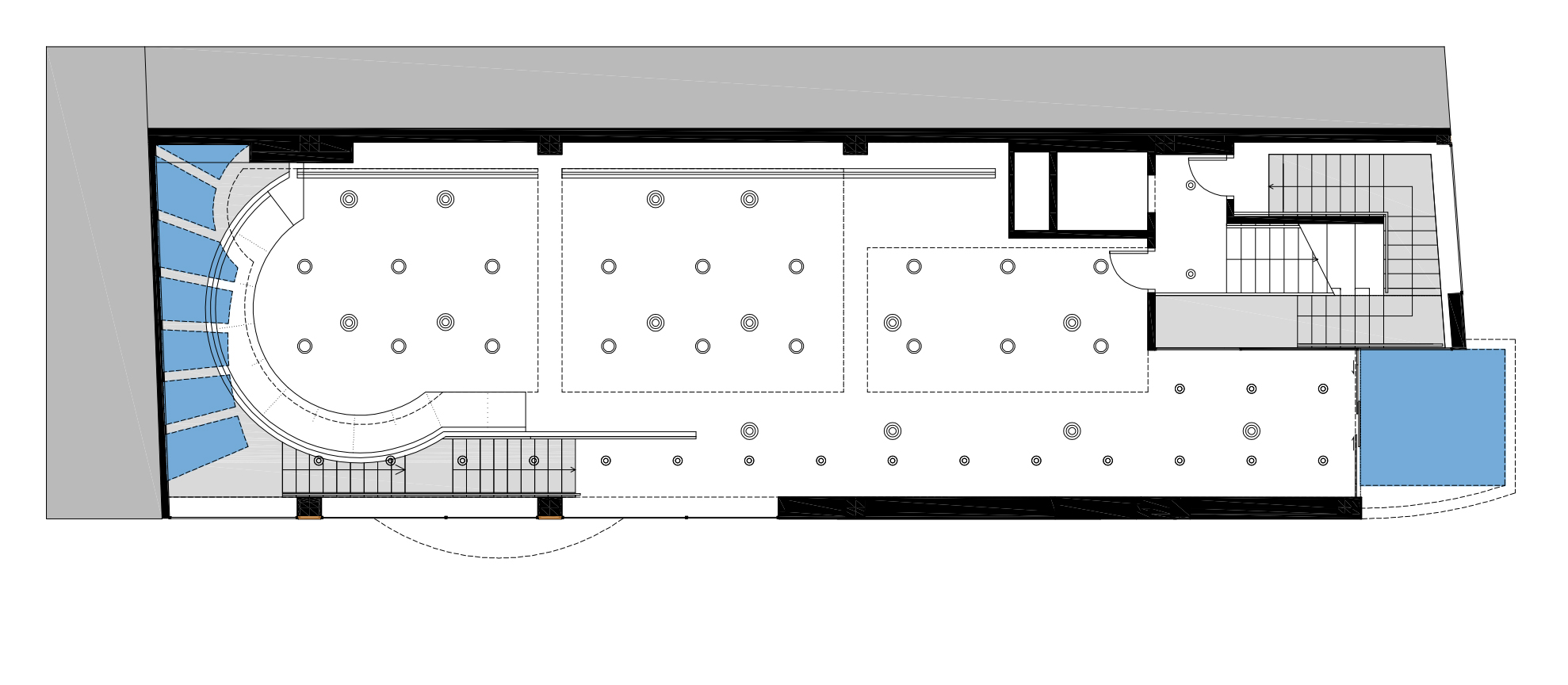
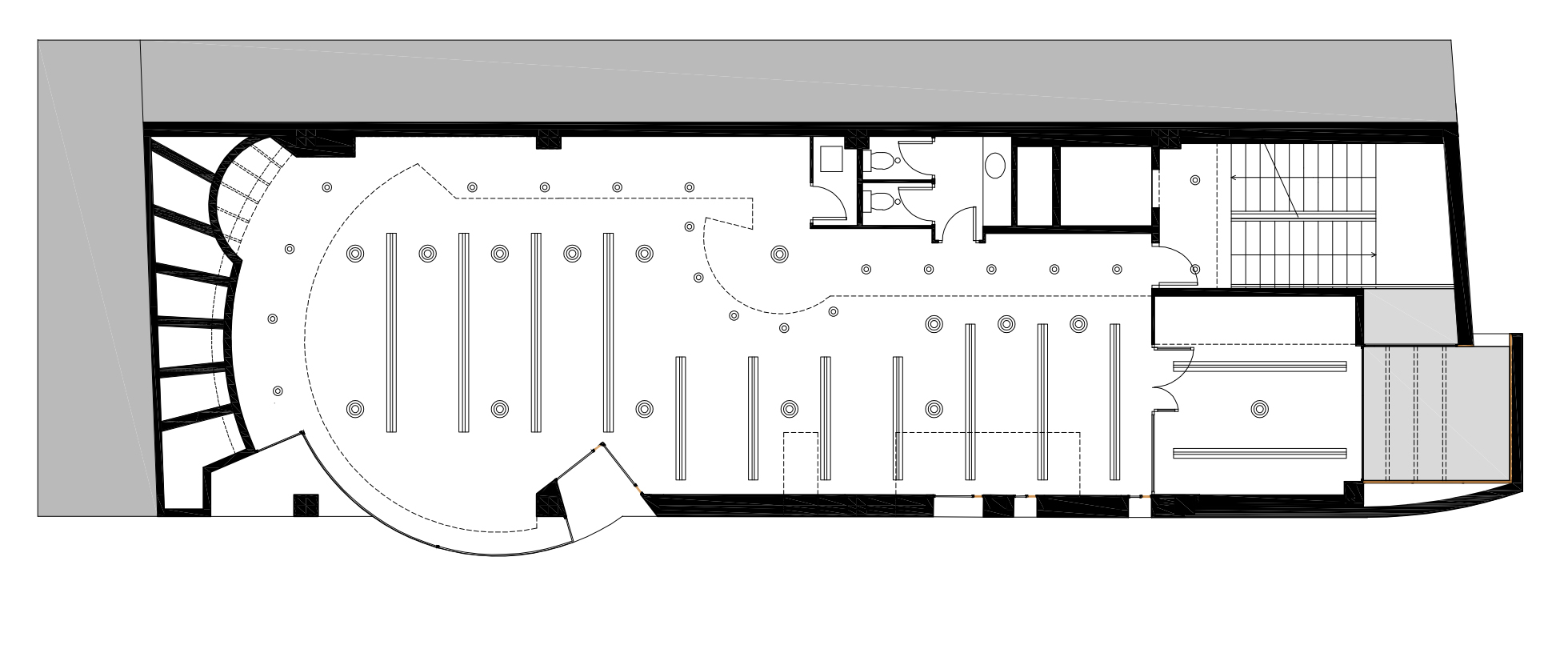
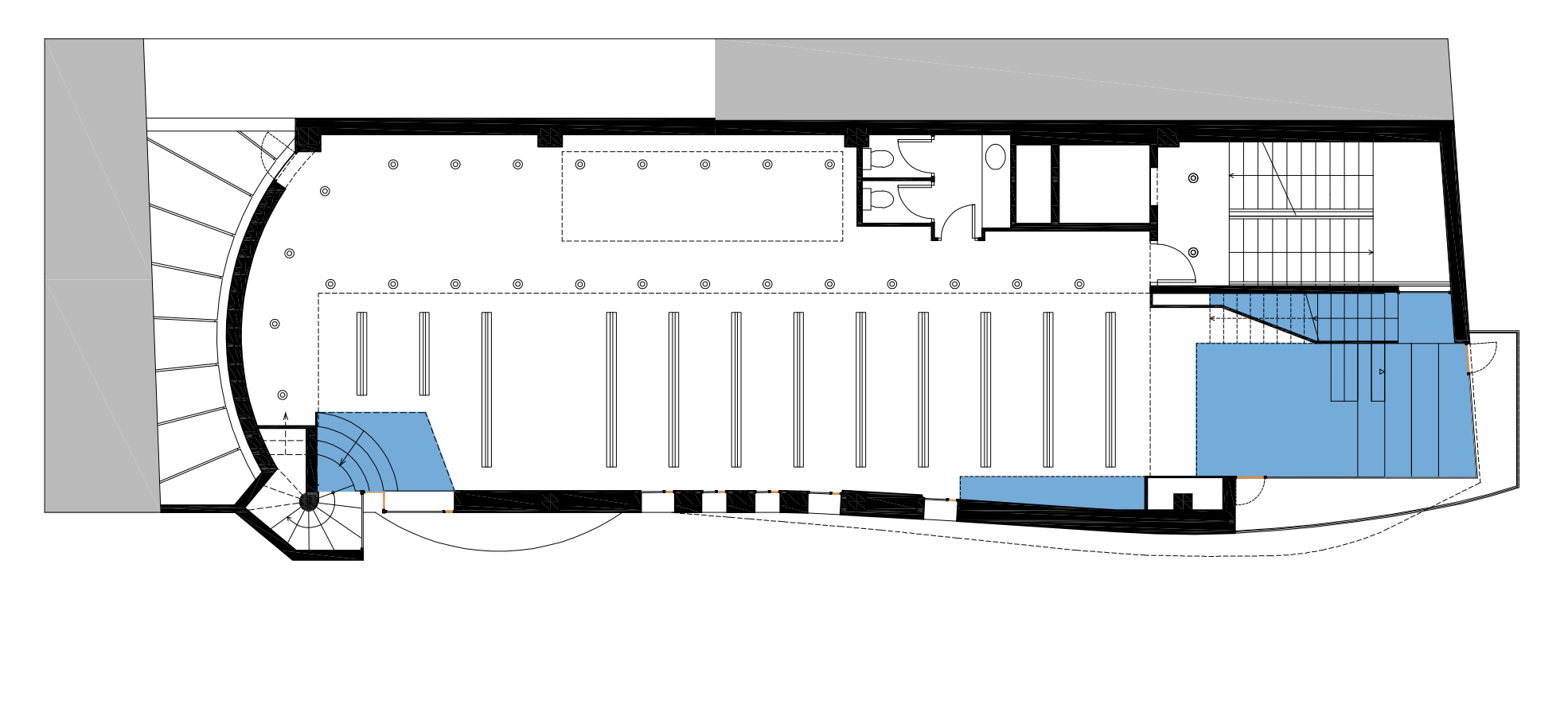
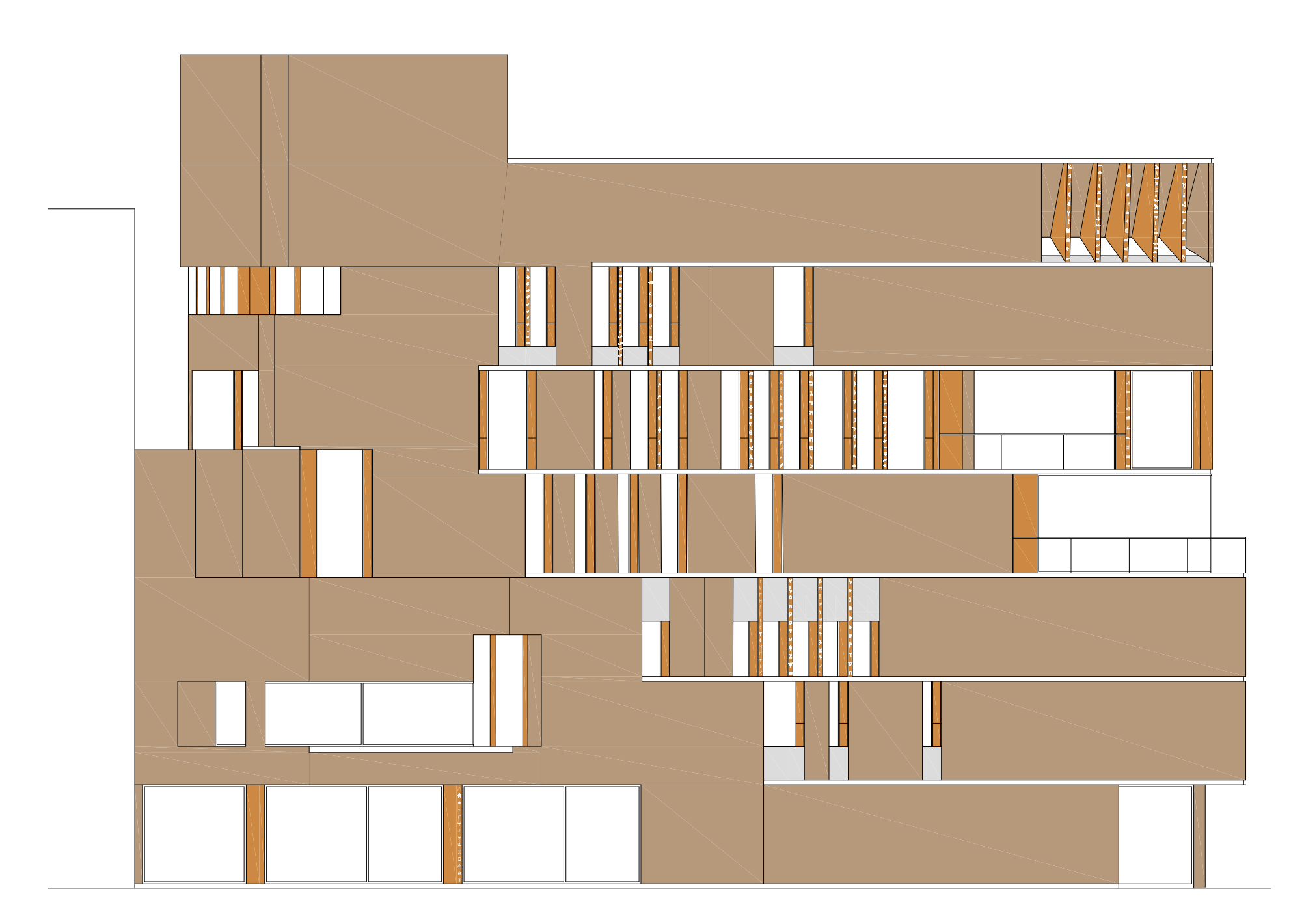
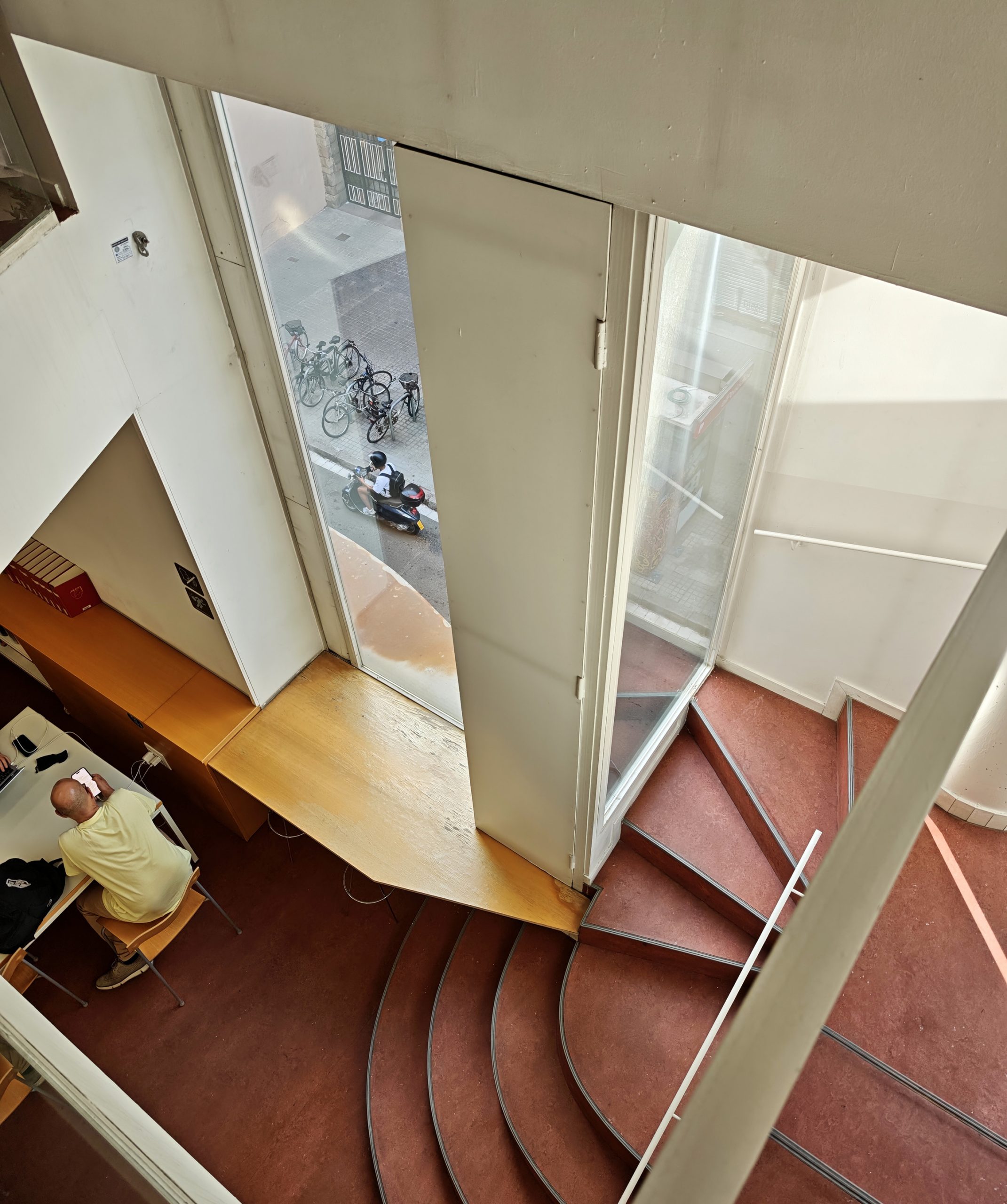
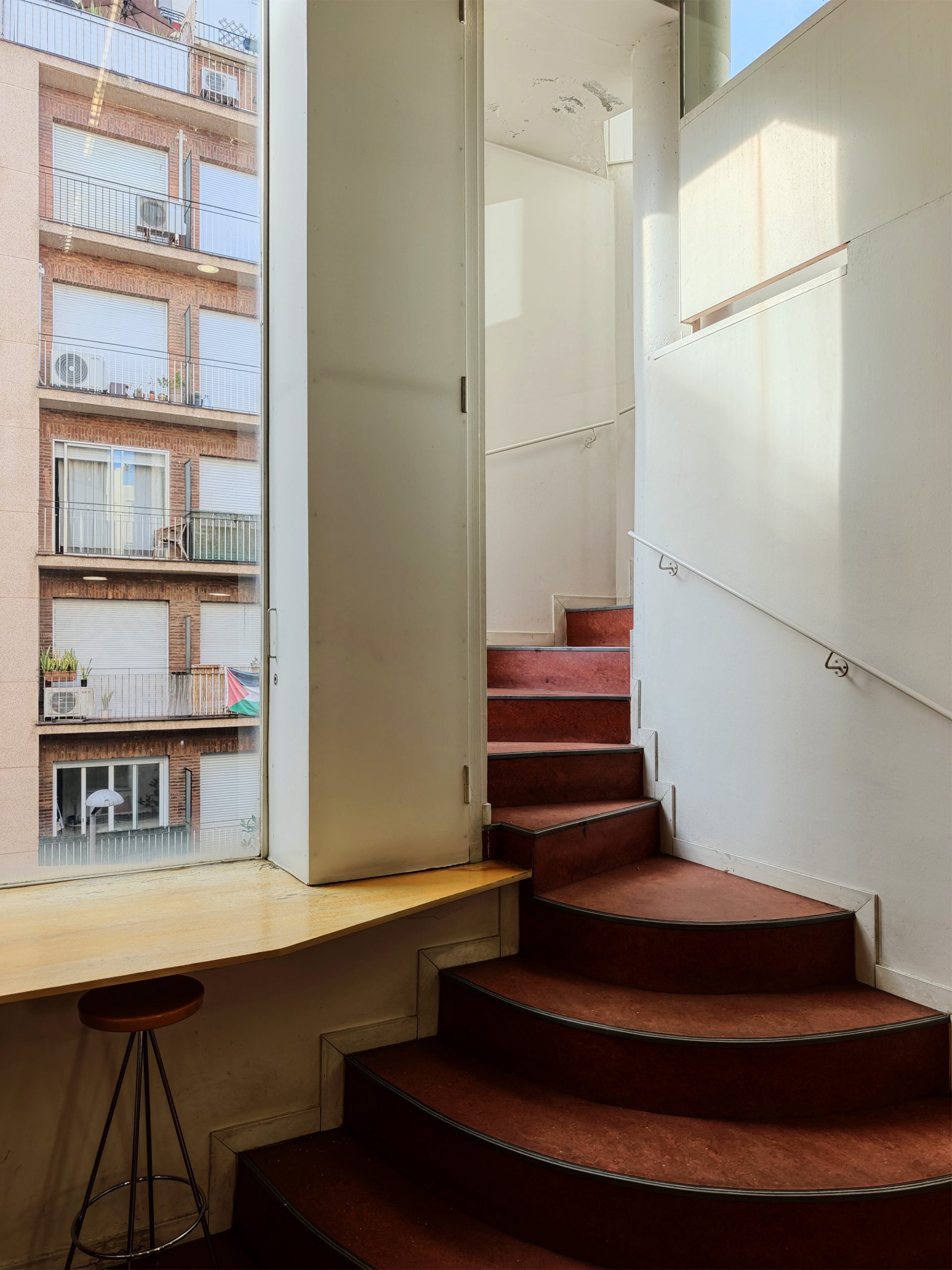
—What Pepe doesn’t mention are the cheeky aspects of the project, like the spiral staircase that you stumble across after having been there often, which lets you get from one floor to another via a route you think you are discovering right then, but which is actually used to resolve the interface with the adjacent building’s party wall. From outside, it is a finishing touch like the wall heads in Fort Pienc.
—Lo que no cuenta Pepe son las travesuras del proyecto, como esa escalerilla de caracol, que se descubre por casualidad, después de haber estado ahí muchas veces, que te permite pasar de un piso a otro por un sendero que crees estar descubriendo en ese momento, pero que sirve precisamente para resolver el encuentro con la medianera del edificio vecino. Desde fuera, es un remate parecido al de las testas de Fort Pienc.
—Llinás uses unimportant elements to resolve extremely important problems. Although, from what I have seen in his other libraries, the ability to discover or invent unlikely routes is by no means unimportant for him. He seems to want people to be able go on an excursion in his interiors, as if it were a picnic in the country with a hamper, and discover or open up new paths.
—Llinás se apoya en elementos de poca importancia para resolver problemas de gran importancia. Aunque, por lo que he visto en sus otras bibliotecas, que se pueda descubrir o inventar trayectos inverosímiles no es para él asunto menor. Parece que quiera que en sus interiores se pueda ir de excursión, como al campo, a merendar, con la tartera, descubriendo o abriendo senderos.
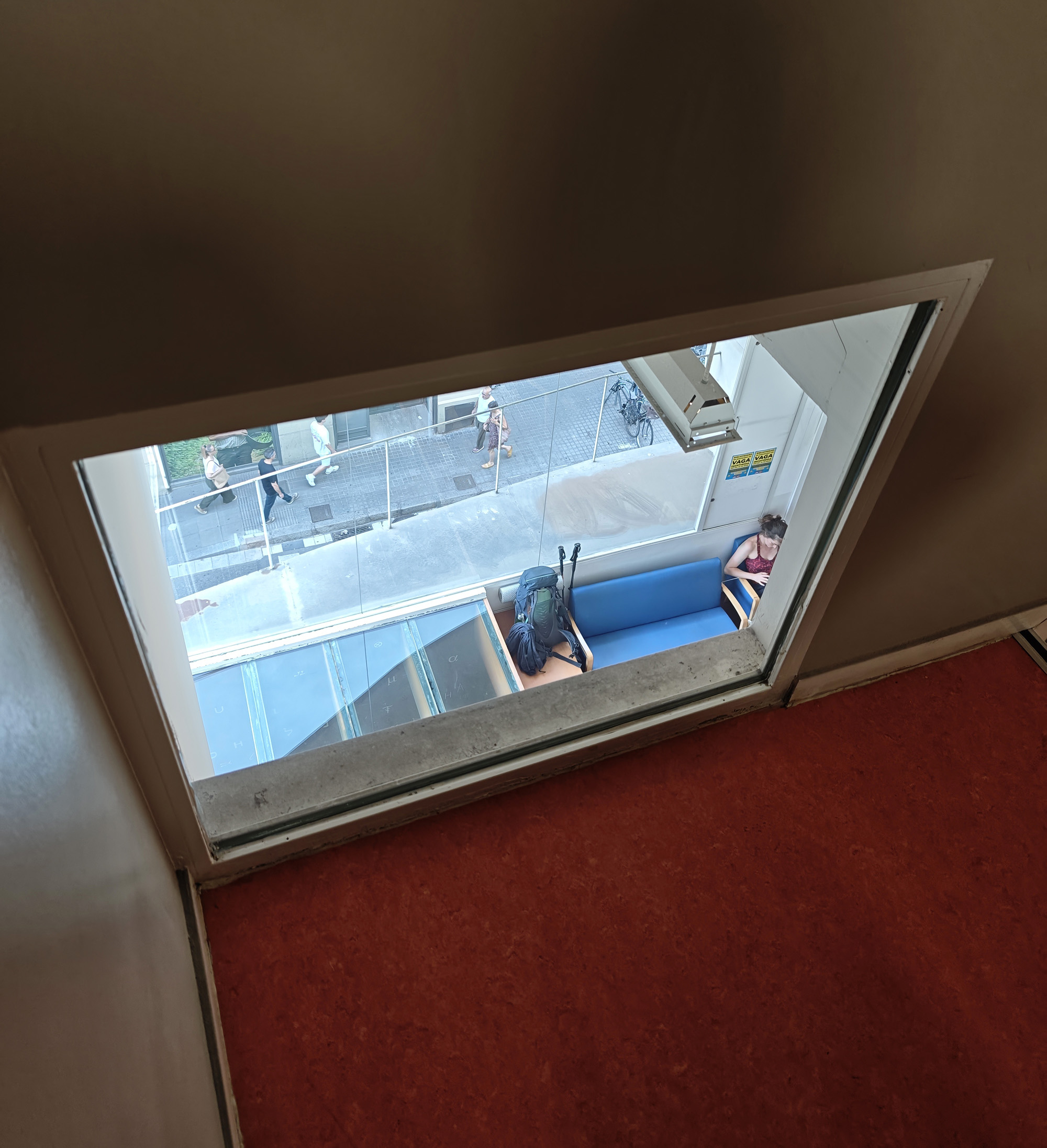
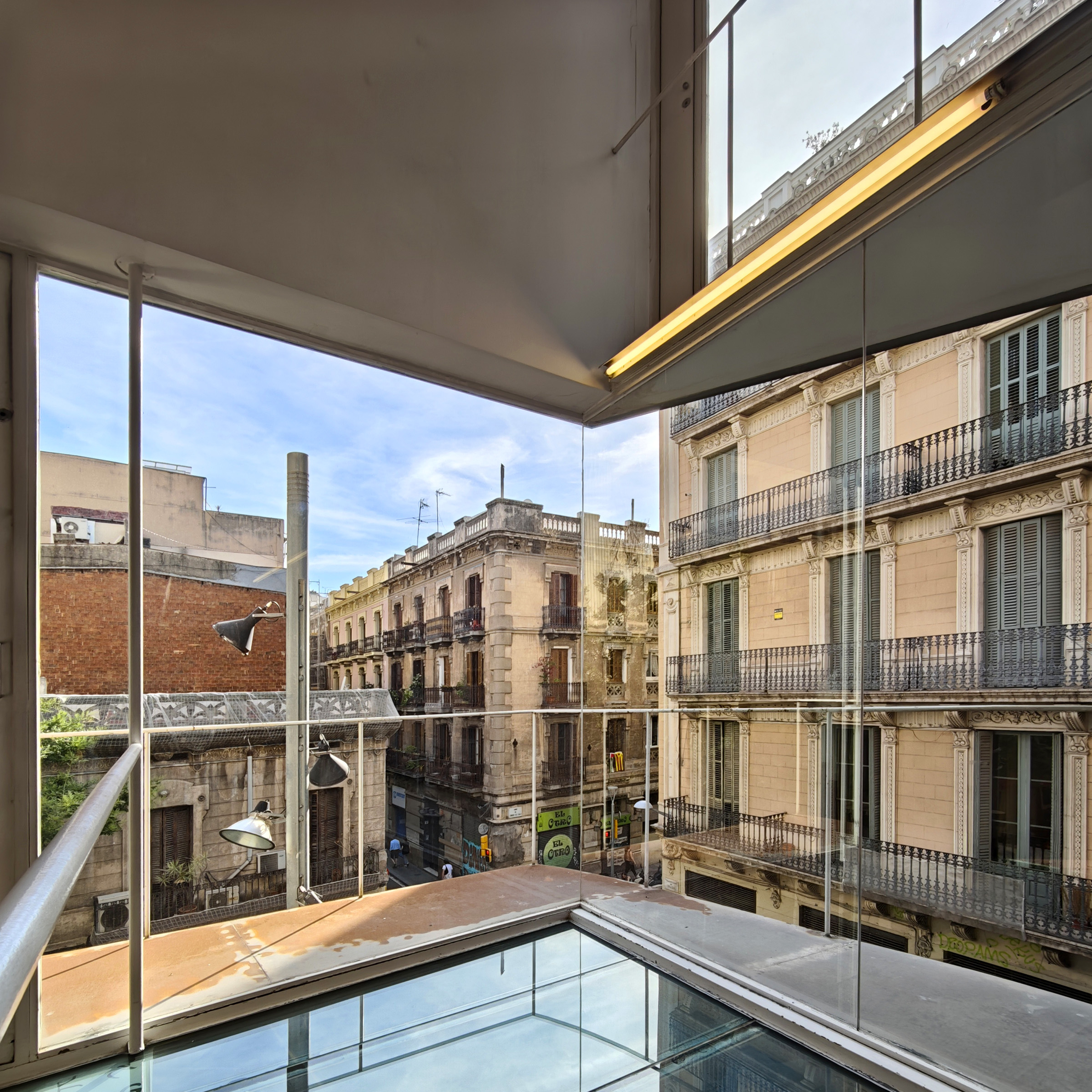
—That’s true. And like the country, from there you look at the landscape, which in this case are the neighbouring houses that suddenly stop being the surroundings and become landscape, outlined, framed.
—Es verdad. Y, como en el campo, desde ahí miras el paisaje, que, en este caso, son las casas vecinas, que, de golpe, dejan de ser los alrededores para convertirse en paisaje, recortado, encuadrado.
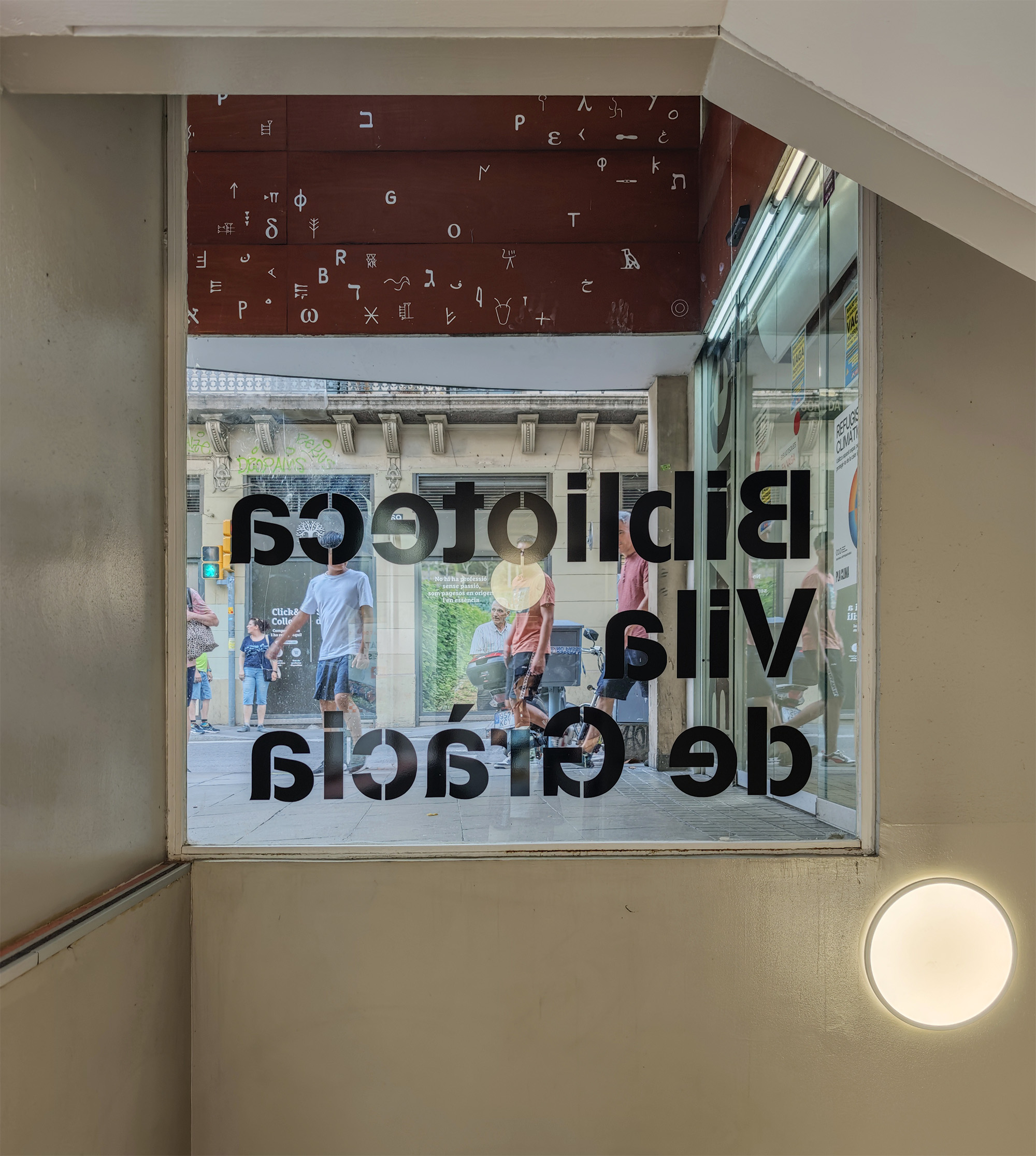
—You’re right, Berganza. Seen from Llinás’s library, even Travesera de Gracia has the dignity of a street near the Vicenza theatre seen more face on, without the false sloping floor.
—Dices bien, Berganza, vista desde la biblioteca de Llinás, incluso la Travesera de Gracia tiene la dignidad de una calle del teatro de Vicenza, vista más de frente y sin el suelo falso en pendiente.
—Can you imagine Llinás in the Sunday supplements in full colour?
—¿Tú te ves a Llinás en los suplementos dominicales, a todo color?
—What do you mean? Like Frida Kahlo?
—¿Qué quieres decir, como Frida Kahlo?
—*(Laughs).* Yes, someone has to be like Frida Kahlo. I’m asking you, Cipión, because Pepe is not a precisely anonymous. He has won the most prestigious prizes that are always awarded by architects. Higueras once said he wished he had designed and constructed the building on Calle Roig. If the mayors don’t commission him to build skyscrapers, that’s their problem. That’s mayoral business —mayorisms—, but Pepe is worth a game of dominos with Maradona or Messi. Listen carefully to what I’m going to tell you now: we are watching Rafael Nadal. He is going to win Roland Garros. What Nadal has got that makes him most like Pepe is his smile, an evasive smile, as if winning wasn’t his thing, as if it didn’t have much to do with his merits. They’re right: it’s not their fault that they do something well. You have to do something in this life. Nadal’s public image is quite different from other famous sportsmen: he hides his private life, and even his trainer is part of his family— he practices in his own town instead of at a ‘high performance’ centre. When he won the Davis Cup, I read a slightly hostile comment that interpreted his ‘shyness’ as discourtesy towards the press. Fame doesn’t come cheap. It can become a sort of slavery. That great Mallorcan was once asked why he wasn’t affected by fame and he replied, with a wisdom that belied his youth, “It’s because I was given a good education at home”. I can assure you, Cipión, that architects who are given certain jobs will end up finding themselves forced by contract, which they will sign willingly, to wear clothes with advertising (a euphemism for propaganda) of the institutions and businesses that put them on their payroll, and cause a social stir every now and then to stay in the limelight. Right now it might seem absurd for them to wear advertisements stitched to their black or coal grey suits, but next year it will be ridiculous to question it. Being your own master, leading a normal life, is a choice. For Pepe it doesn’t have to be hard, but Nadal is going to have a harder job, don’t you think?
—*(Rie).* Sí, alguno hay que sale como si fuera Frida Kahlo. Te lo pregunto, Cipión, porque Pepe no es un desconocido. Ha conquistado los premios más importantes, concedidos siempre por arquitectos. Higueras dijo una vez que lo que a él le habría gustado llegar a proyectar y construir era el edificio de la calle Roig. Si los alcaldes no le encargan rascacielos, allá ellos. Eso son cosas de alcalde, alcaldadas, pero Pepe merece una partida de dominó con Maradona o con Messi. Advierte bien en lo que ahora te digo: estamos viendo a Rafael Nadal; va a ganar Roland Garros. Lo que tiene Nadal que más relaciono con Pepe es la sonrisa, una sonrisa evasiva, como si ganar no fuera con él, como si eso hubiera ocurrido sin tener demasiado que ver con su mérito. Tienen razón, ¿qué culpa tienen ellos de saber hacer algo bien? Algo hay que hacer en esta vida. La imagen pública de Nadal es muy distinta a la de otros deportistas famosos: protege su vida privada, incluso el entrenador forma parte de su familia, no entrena en un centro de ‘alto rendimiento’, sino en su pueblo. Cuando ganó la copa Davis, leí algún comentario ligeramente hostil, que quería entender su ‘timidez’ como desconsideración hacia la prensa. La fama no es un artículo barato, puede llegar a convertirse en una especie de esclavitud. Con seño impropio de su juventud, el precioso mallorquín ha dado respuesta, a la pregunta de por qué no se le veía afectado por la Fama: “Es que en casa me han dado una buena educación”. Yo te aseguro, Cipión, que, a los arquitectos que accedan a determinados encargos, los llegaremos a ver obligados, por contrato que firmarán gustosos, a llevar en su indumentaria publicidad —eufemismo por propaganda— de las instituciones y negocios que los tienen en plantilla, y a provocar algún escándalo sentimental de vez en cuando, para seguir estando en el candelero. Hoy puede parecer absurdo que lleven anuncios cosidos sobre sus trajes de paño negro o gris antracita: el año próximo será absurdo cuestionarlo. Ser dueño de uno mismo, llevar una vida normal, es una elección. Para Pepe no ha de ser difícil, Nadal lo va a tener peor. ¿O qué?
—I agree, Berganza. We might well discover Llinás like Commissioner Maigret, sitting on the sidelines in a bar in the outskirts, getting drenched for a glass of Beaujolais that he hasn’t ordered because he particularly likes it but because it is part of the place; and he is there, he finds himself there, unnoticed, not striving to scrutinise or make conversation, but taking everything in all the same.
—Concuerdo, Berganza. A Llinás lo encontraríamos quizás como al comisario Maigret, sentado al margen, en un bar de periferia, dejándose empapar por una copa de beaujolais, que no ha pedido porque le guste especialmente ese vino, sino porque forma parte del lugar, y él está ahí, se encuentra ahí, sin ser advertido, sin poner especial atención en escudriñar o en dar conversación, pero llevándoselo todo consigo.
—Did you know that Coderch was an avid Simenon reader? In that famous interview, Enric Sòria asked Coderch what his modus operani was and Coderch replied that it was the same as Commissioner Maigret. Siza, like Maigret, also used to visit bars when he was starting to sketch a project —I don’t know if he still does— without any preference for any particular place, jut the nearest one to the works site. They say that when Siza was commissioned to write a text about Villa Savoye, he first went to sketch it and then went into the first bar he came across in Poissy to write his notes right there. Maigret is not a brilliant detective like Hercules Poirot, nor is he a paid killer with reflexes like James Bond or Indiana Jones. He is simply a man who works. Resolving cases in a bar over a glass of Beaujolais is not a contradiction of his great sense of responsibility. Maybe now that Victorian puritanism has conquered the world, in other words the market, people are appalled at Maigret drinking, because we have almost lost that Mediterranean culture where the heroes drink wine in their sacrifices to please the Gods. Drinking in a civilized way is becoming less common, and now a lot of Mediterraneans drink like hooligans. Poor Maigret, how unfair it would be to point your finger at him for a glass of that revolting wine that is impossible to drink! Maigret’s method consists of working modestly and consistently, and keeping your sense of responsibility awake. Coderch once said he was amazed at having produced such a dignified architecture with humility and effort, in spite of being such a limited architect.
—¿Sabes que Coderch era un gran lector de Simenon? En la entrevista famosa, Enric Sòria le pregunta a Coderch cuál es su método de trabajo, y Coderch responde que el del comisario Maigret. Siza, como Maigret, acostumbraba también ir a los bares, al empezar a dibujar un proyecto —no sé si lo sigue haciendo—, sin preferir locales especiales, sino aquél más a mano en el entorno de la obra en proyecto. Cuenta Isabel María que, cuando a Siza le encargaron un escrito sobre la villa Savoye, se fue antes a dibujarla y luego entró en el primer bar que encontró en Poissy, para escribir ahí sus notas. Maigret no es un investigador brillante como Hércules Poirot, ni un asesino a sueldo con reflejos, como James Bond o Indiana Jones, es simplemente un hombre que trabaja. Resolver los casos en un bar frente a una copa de beaujolais no es contradictorio con su gran sentido de la responsabilidad. Puede que actualmente —cuando el puritanismo victoriano ha conquistado el mundo, es decir el mercado— escandalice un poco que Maigret beba, porque ya casi se ha perdido la cultura mediterránea, donde los héroes beben vino en los sacrificios, para complacer a los dioses. Cada vez se bebe de un modo menos civilizado, y ya hay muchos mediterráneos que beben como un hooligan. ¡Pobre Maigret, qué injusto sería señalarle con el dedo por una copa de ese vino infame, tan malo que no admite una segunda copa! El método de Maigret consiste en trabajar con humildad y constancia, y en mantener despierto el sentido de responsabilidad. Coderch dijo una vez que estaba maravillado de haber conseguido, con humildad y esfuerzo, una arquitectura tan digna, a pesar de ser él un arquitecto tan limitado.
—That is why I mentioned Maigret. Perhaps what Coderch taught them in his office was to ‘do a Maigret’. I like the fact that Siza visits ordinary bars instead of supposedly special cafés.
—Por eso he dicho Maigret. A lo mejor lo que les enseñaba Coderch en su despacho era a ‘maigretear’. Me gusta que Siza vaya a bares cualesquiera, y no a un café concreto, supuestamente especial.
—I remember a lecture by Llinás in a small classroom that was still part of the Barcelona School of Architecture. The room was already full and expectant when he walked in with his motorbike helmet in his hand. I don’t know how he did it, but he put the helmet on the table and it was as if from then onwards, the helmet was absorbing everybody’s attention while he remained on the sidelines to concentrate on his work, standing to one side and discussing the projects as the slides appeared.
—Recuerdo una conferencia de Llinás, en una aula pequeña de lo que entonces todavía era la Escuela de Arquitectura de Barcelona. Ya estaba la sala llena, esperándole. Entró, llevando en la mano el casco de la moto. No sé cómo se lo hizo, pero puso el casco encima de la mesa, y fue como si desde ese momento el casco absorbiera toda la atención de la sala, y él quedara al margen, y pudiera dedicarse entonces a sus cosas, a ponerse a un lado y comentar los proyectos mientras pasaba las diapositivas.
—Magicians call that misdirection. His architecture works the same way. It is not that it doesn’t attract your attention but that it can’t be looked at. It doesn’t turn its back or its side to you, because that would be ostentatious, but it shies away from frontality and moves aside without moving away. It insinuates that you can go by without making you raise your head (i.e., making you lower it).
—Los magos llaman a eso misdirection. Es que su arquitectura se comporta igual. No es que no llame la atención, es que no se deja mirar. No se pone de espaldas ni de perfil, porque eso sería ostentoso, pero huye de la frontalidad, se aparta sin alejarse. Insinúa que puedes pasar de largo sin hacerte levantar (que es hacerte agachar) la cabeza.
—The loss of the centre, the building that cannot be viewed face on, the entrances that are there, that can be seen, but with which Ponziano’s lions would be unable to find a place to lie down and rest, they are all Modernist issues.
—La pérdida del centro, el edificio que no se deja mirar de frente, las entradas que están, que se ven, pero con las que los leones de Ponziano no encontrarían el sitio donde ponerse y estarse quietos, todo eso son cuestiones propias de lo moderno.
Text taken from ‘Una Conversación o el Aplauso del Italiano’, written by Xumeu Mestre and Josep Quetglas, originally published in El Croquis 128. Josep Llinás, Dissolving the Image