
This article is part of the Hidden Architecture Series “Attitude”, where we explore current works by contemporain architectes which, despite its differences regarding cultural or phisychal contexts, share a practical attention towards the social value of Architecture as a public structure.
Este artículo forma parte de la serie “Attitude”, comisariada por Hidden Architecture, donde exploramos la producción actual de arquitectos contemporáneos que, a pesar de las diferencias manifiestas de contexto físico o cultural, comparten una atención práctica hacia el valor social de la arquitectura como estructura pública.
***
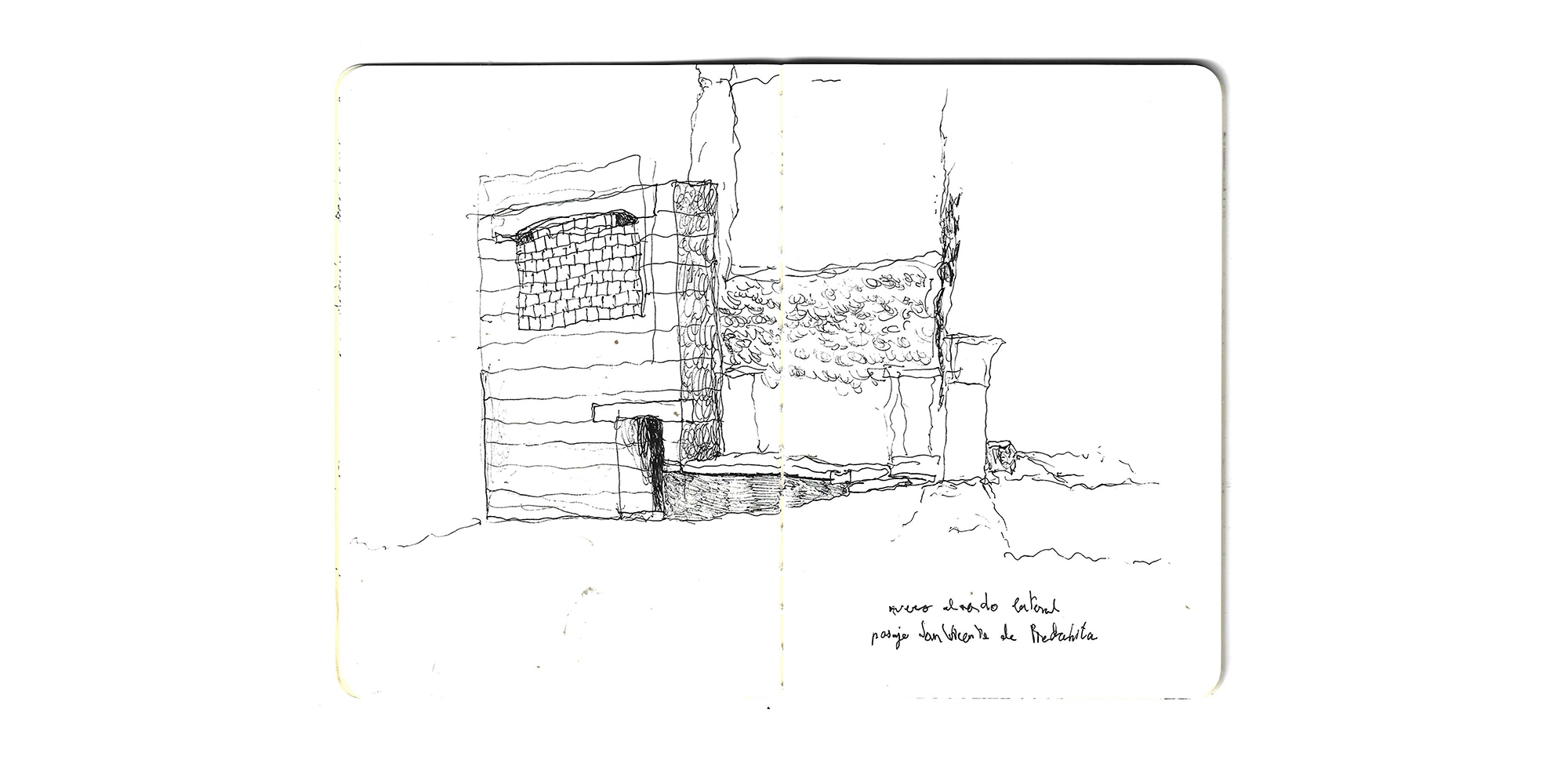
Part of an abandoned building collapses. Within its footprint lies the opportunity to connect two spaces of the great common house. On one side, the Church square— the bullring arcade square—and on the other, the widening of Tras el Santo street—the small tavern square—the village’s dining room during festivities, where until now a series of sheet-metal sheds served as bar, kitchen, and toilets.
Parte de un edificio abandonado colapsa. En su huella está la oportunidad de conectar dos habitaciones de la gran casa pública. Por un lado, la plaza de la Iglesia -más bien plaza de los toros-, y por otro el ensanche de la calle Tras el Santo -la placeta de la tasca-, comedor del pueblo en los festejos donde hasta la fecha unos barracones de chapa hacían las veces de barra, cocina y aseos.
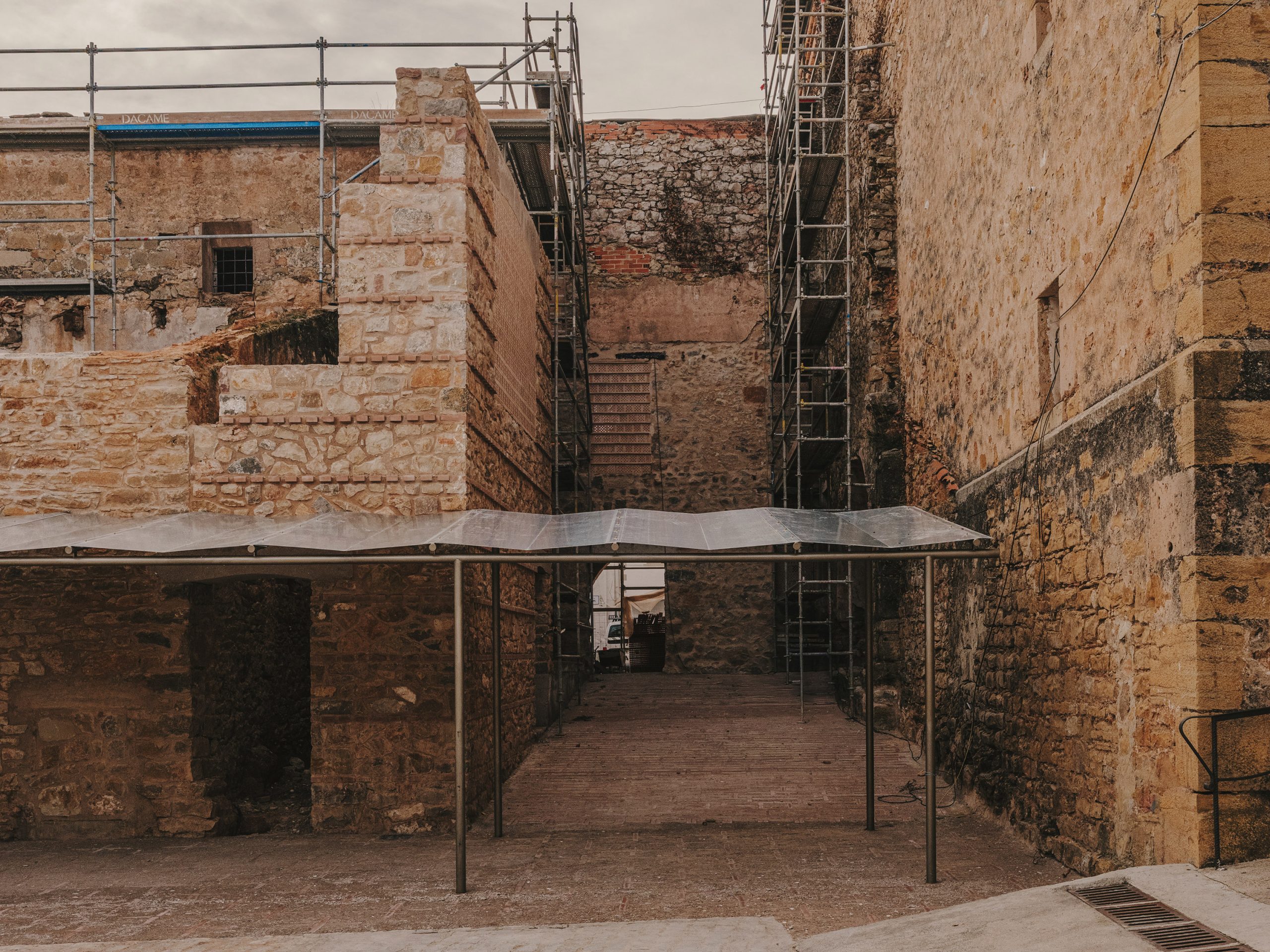
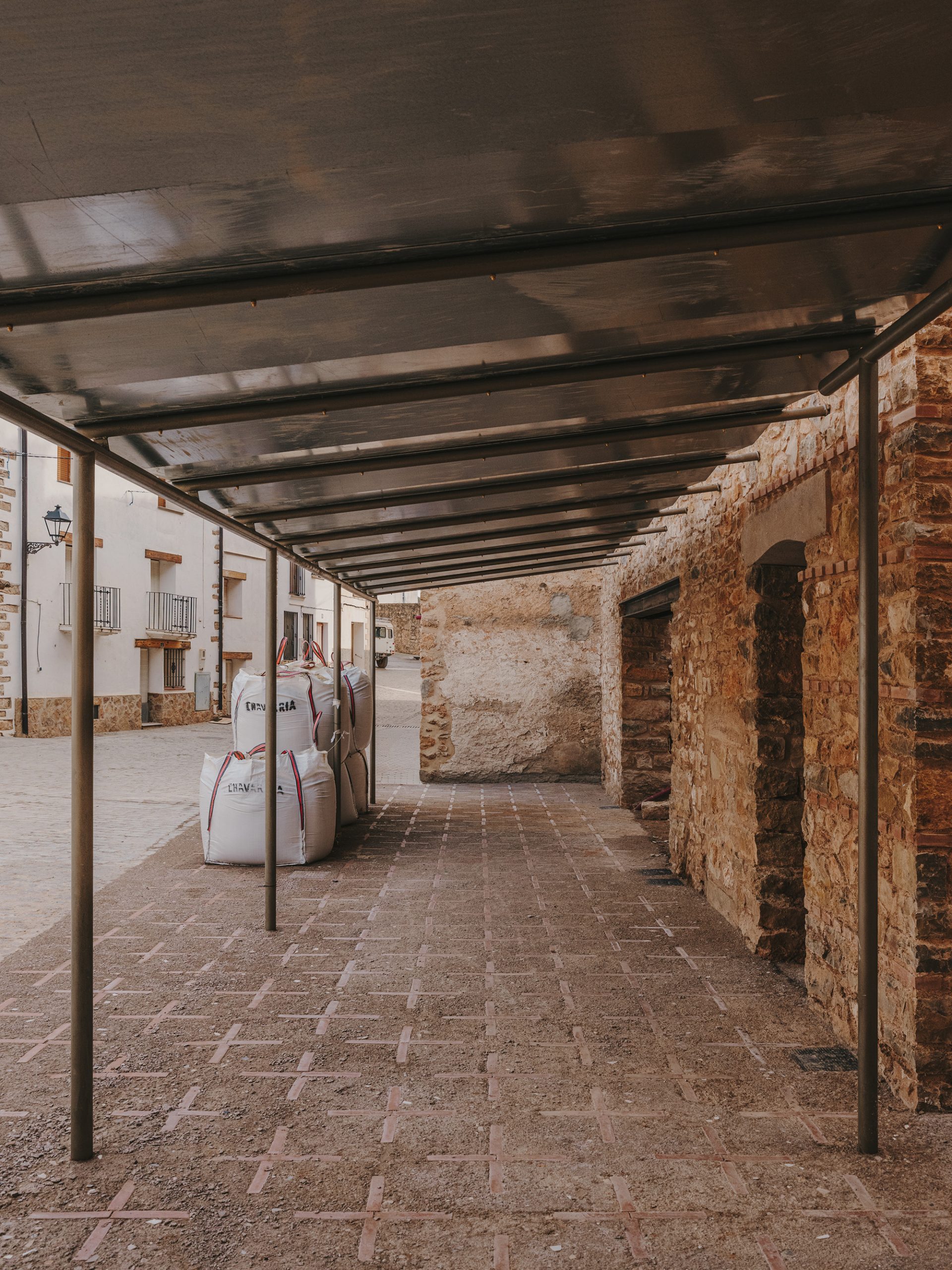
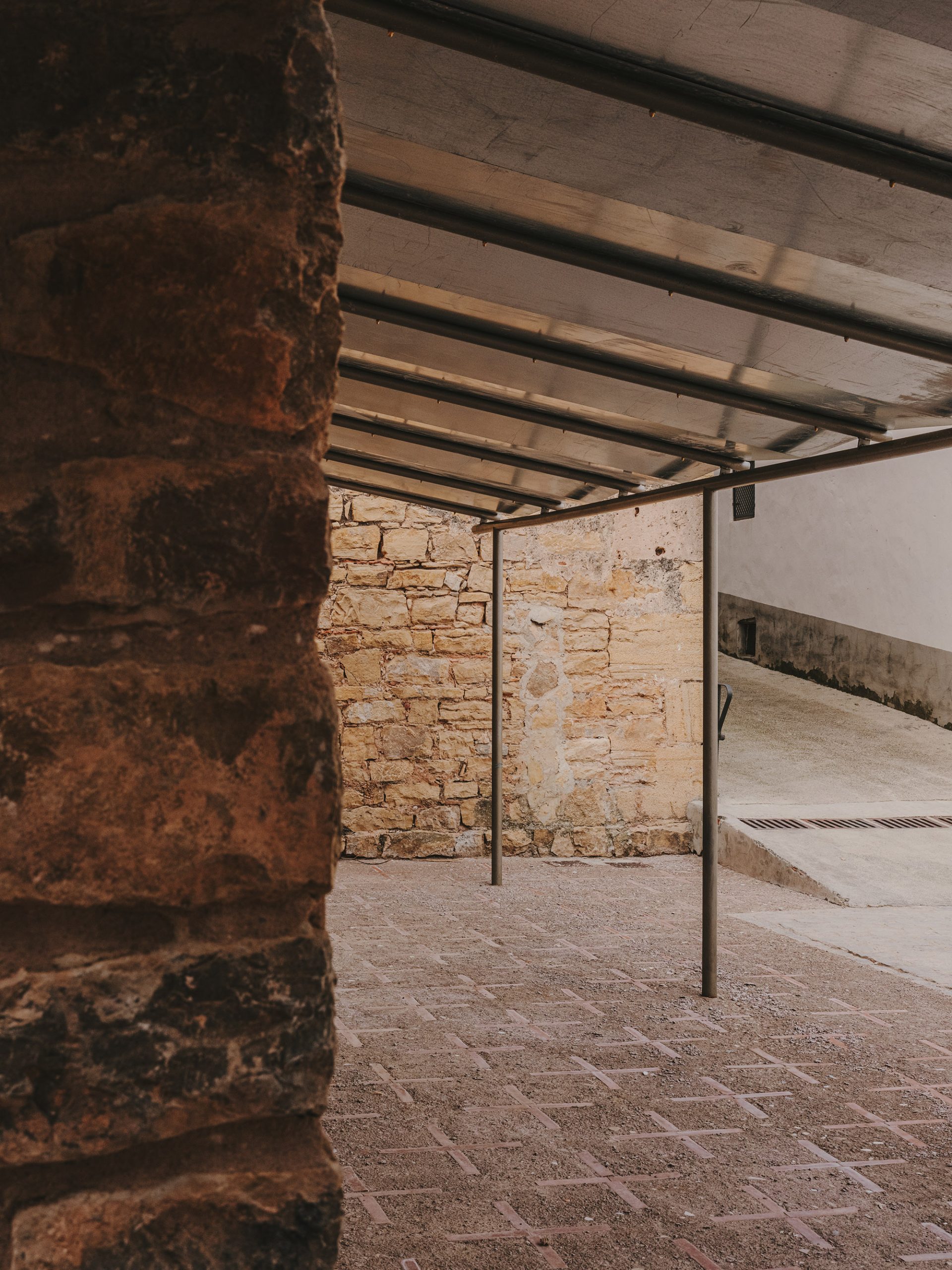
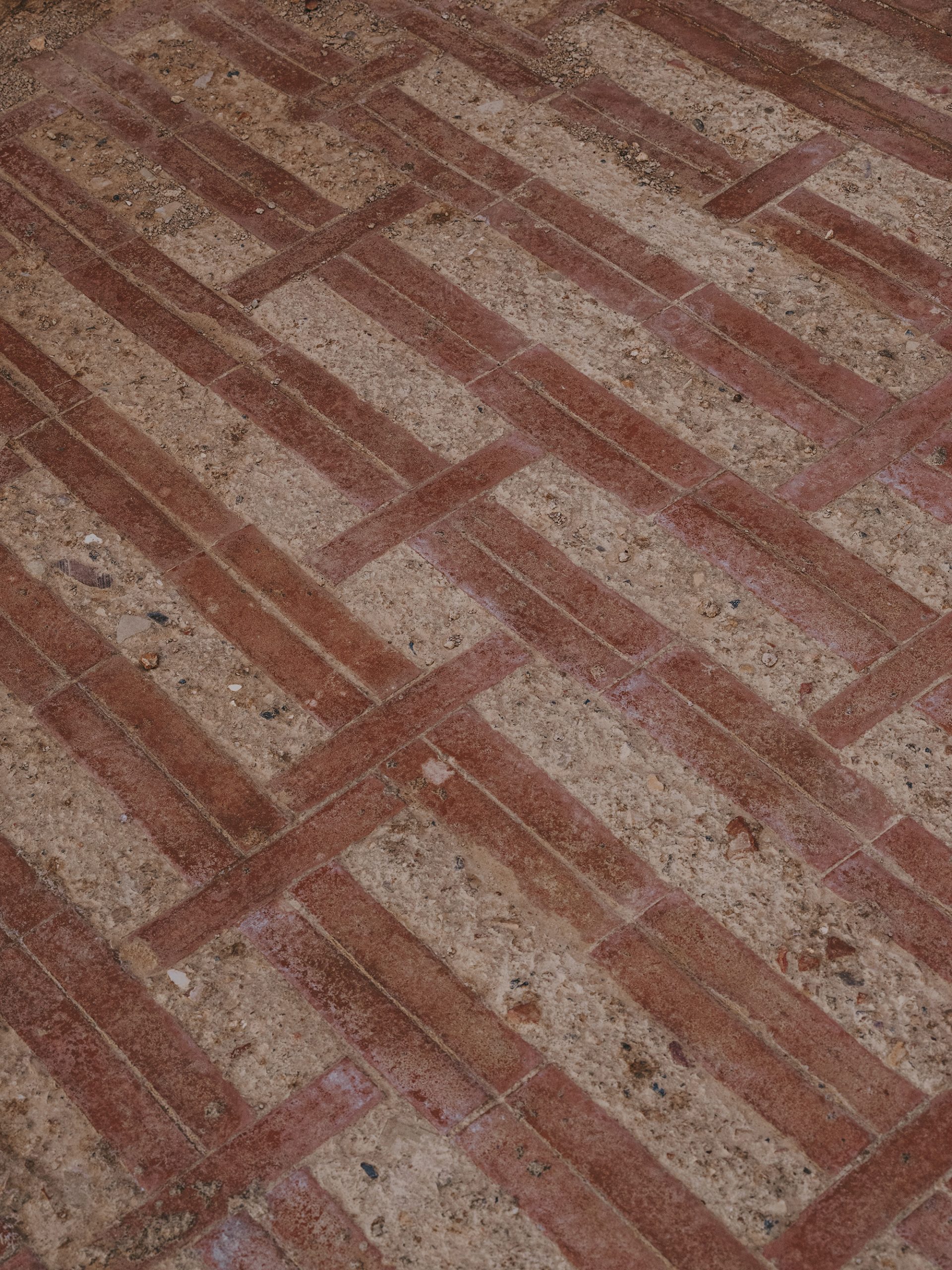
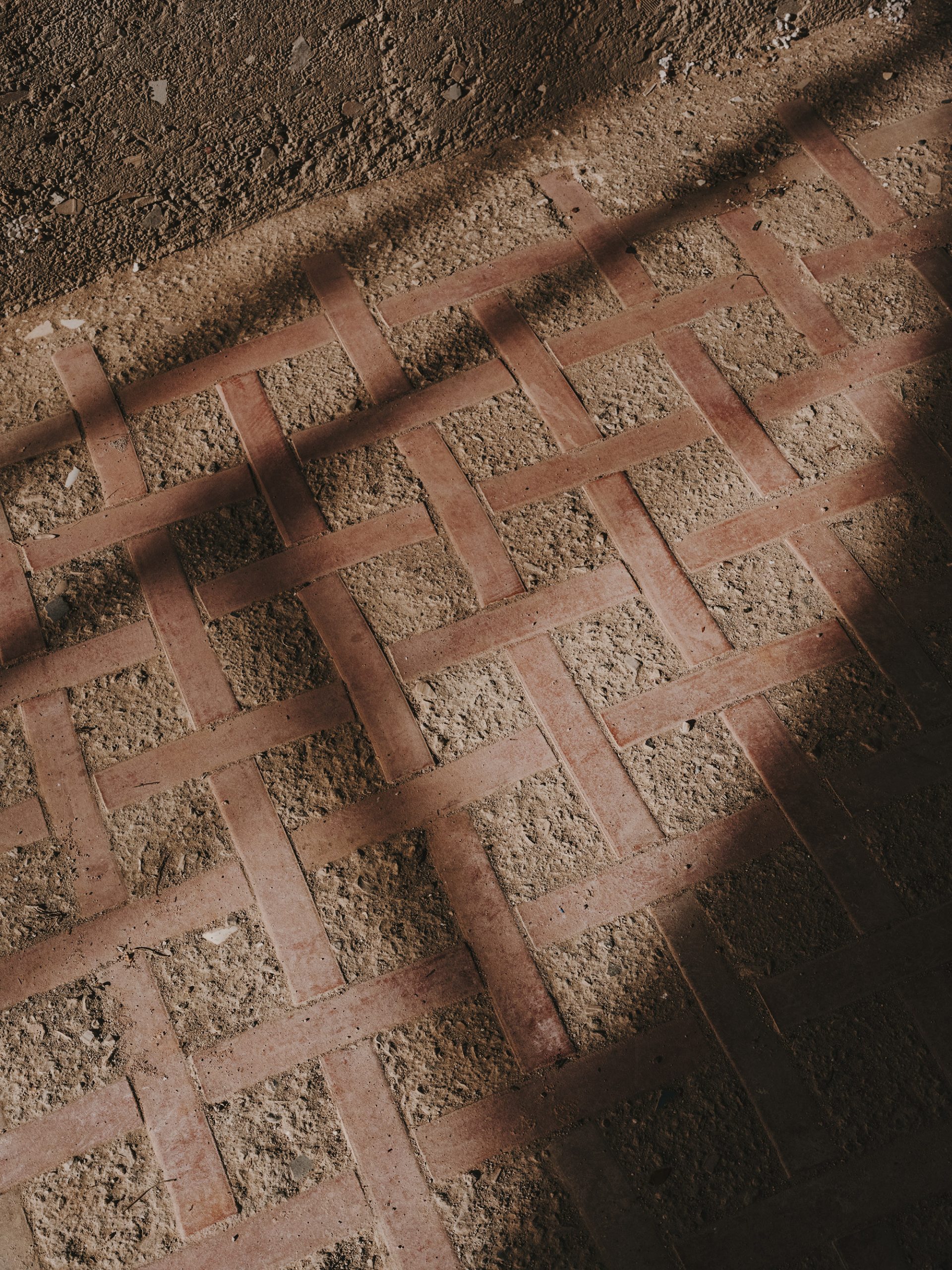
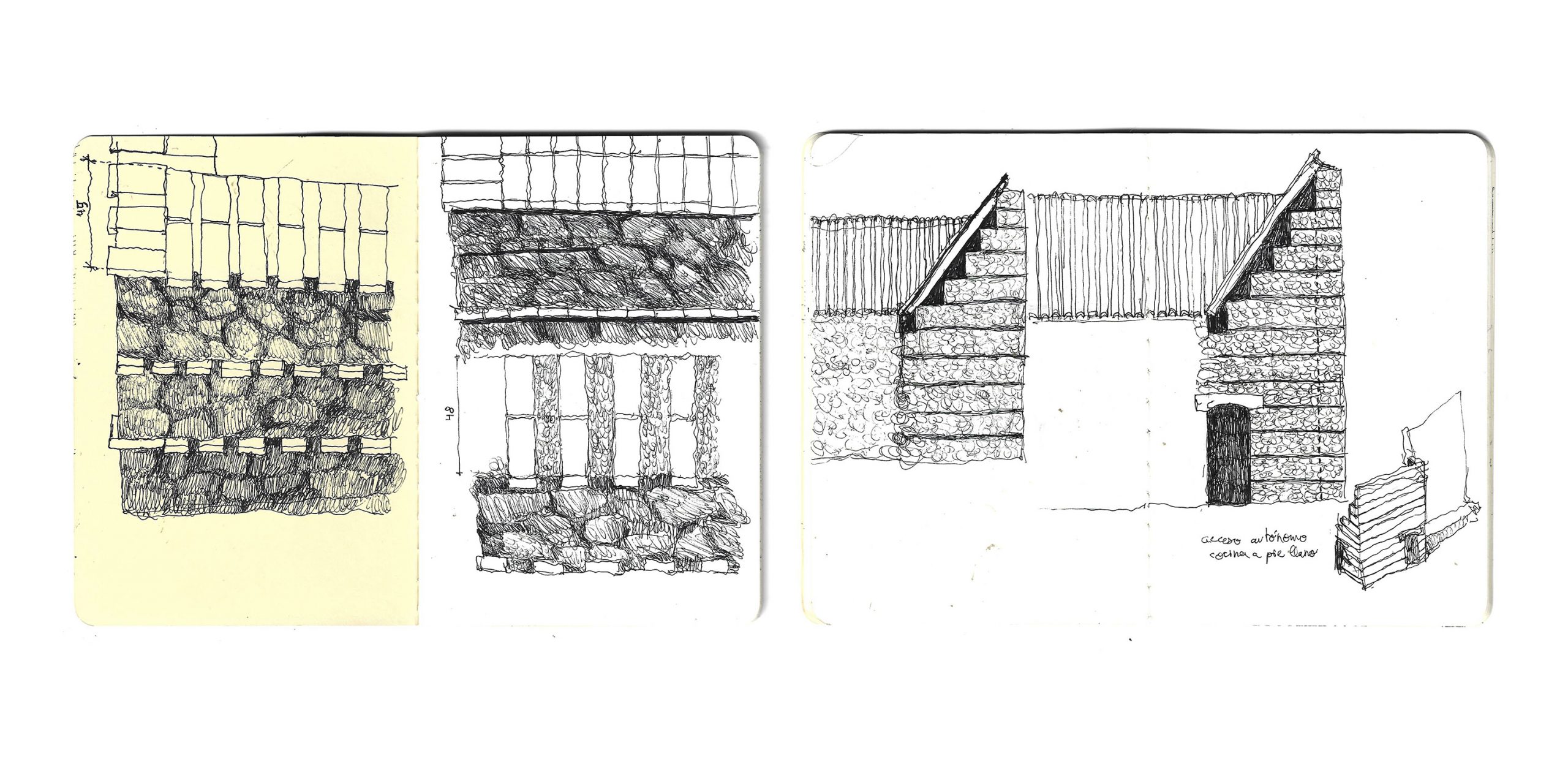
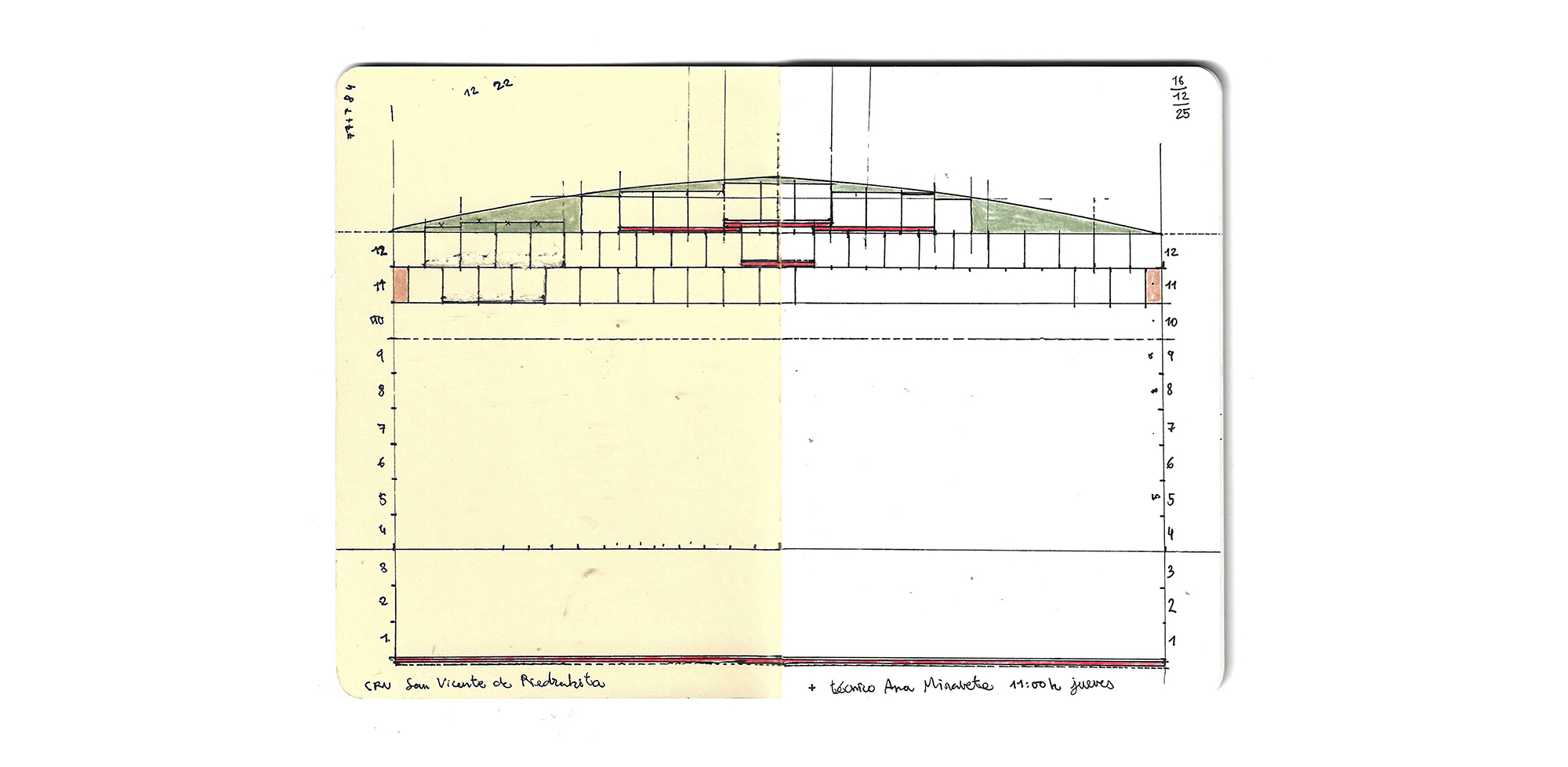
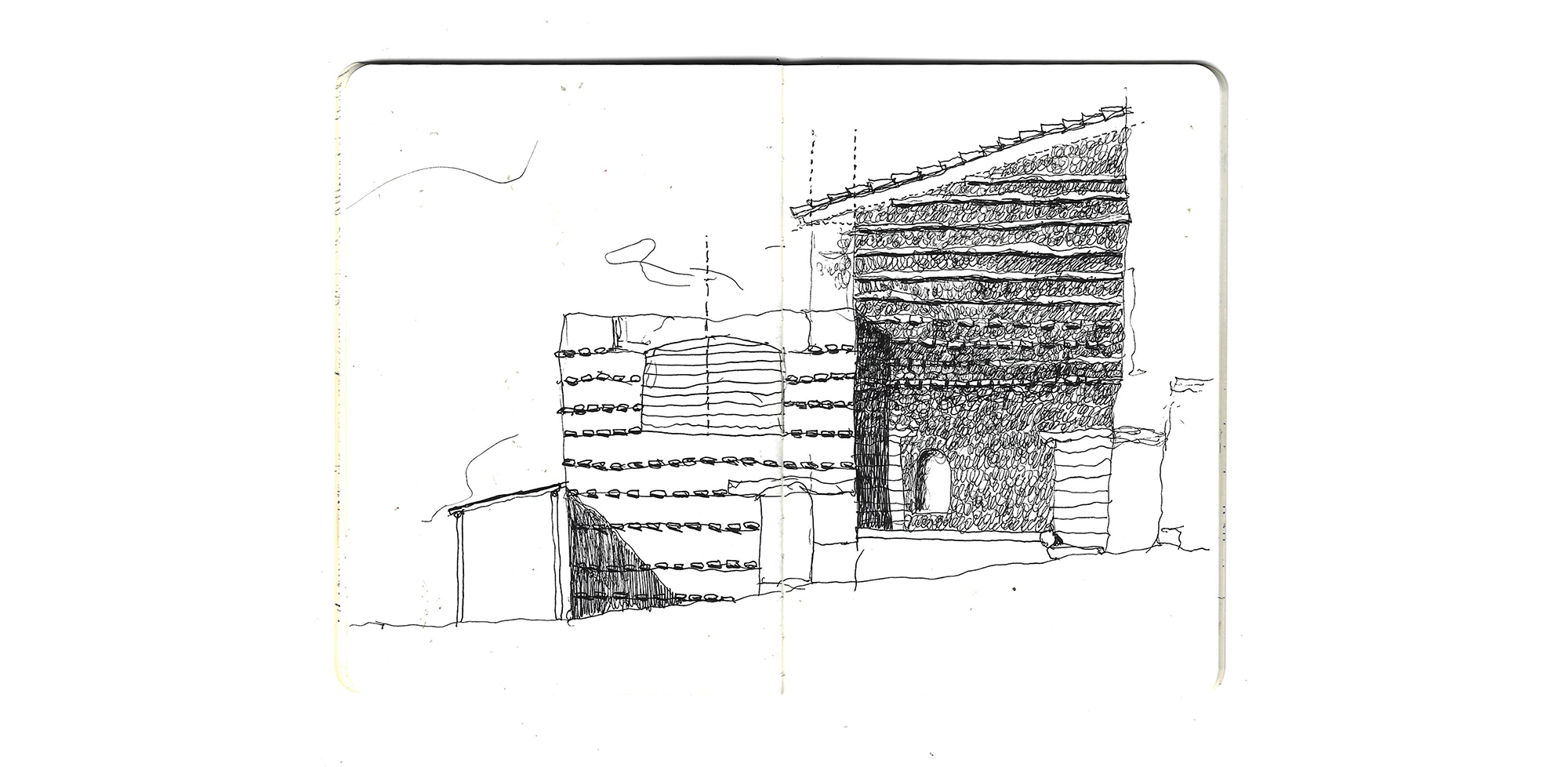
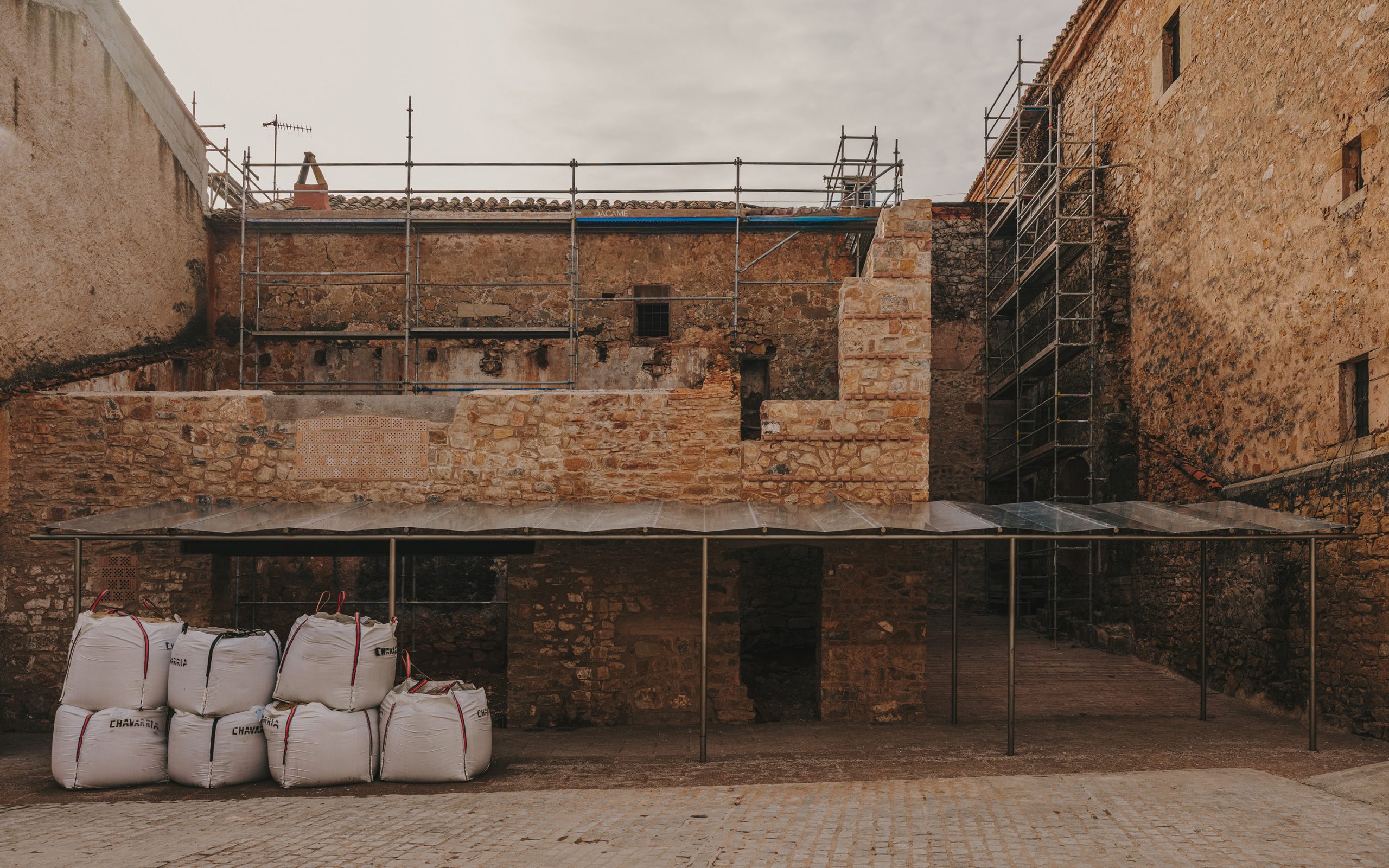
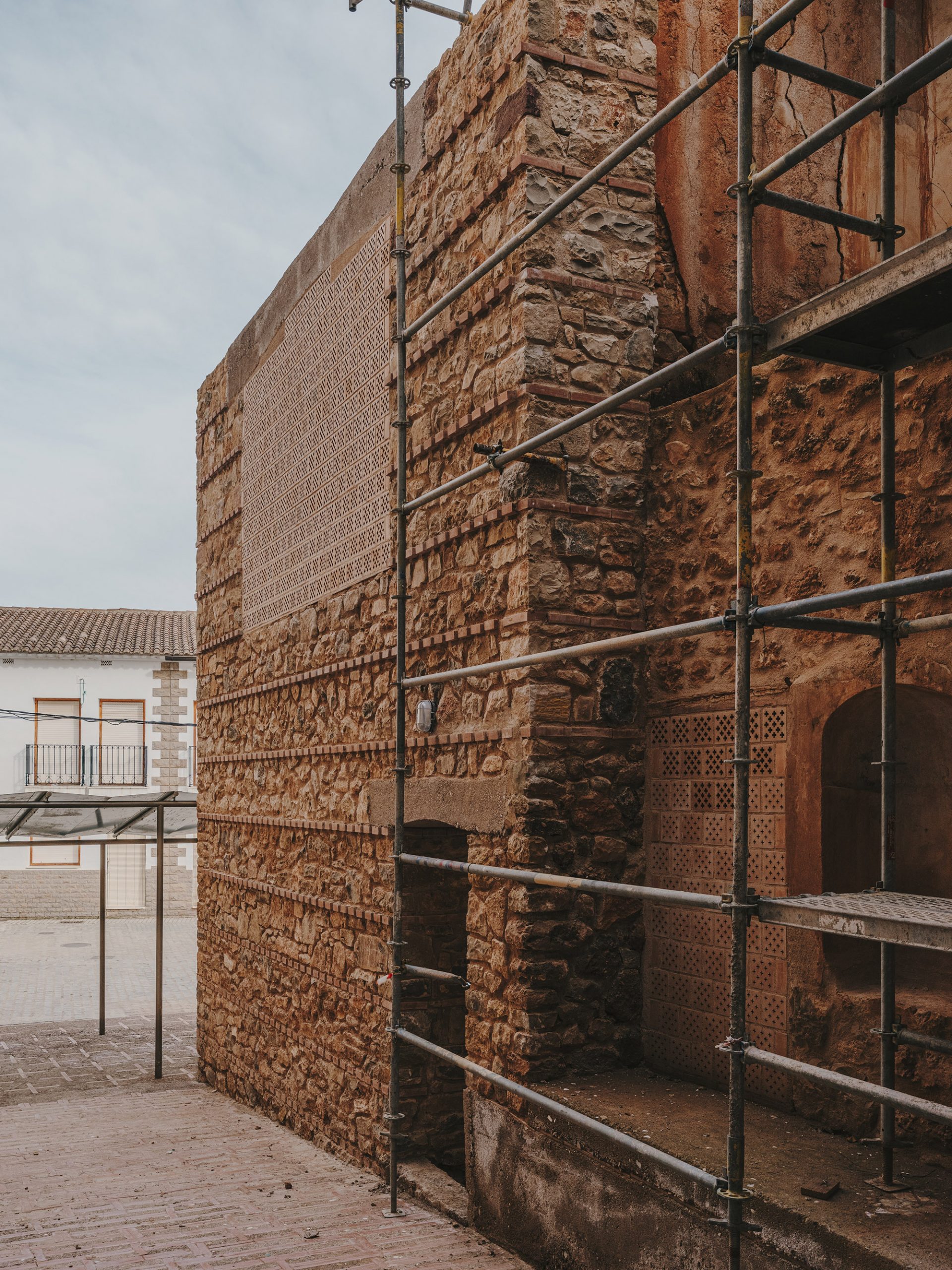
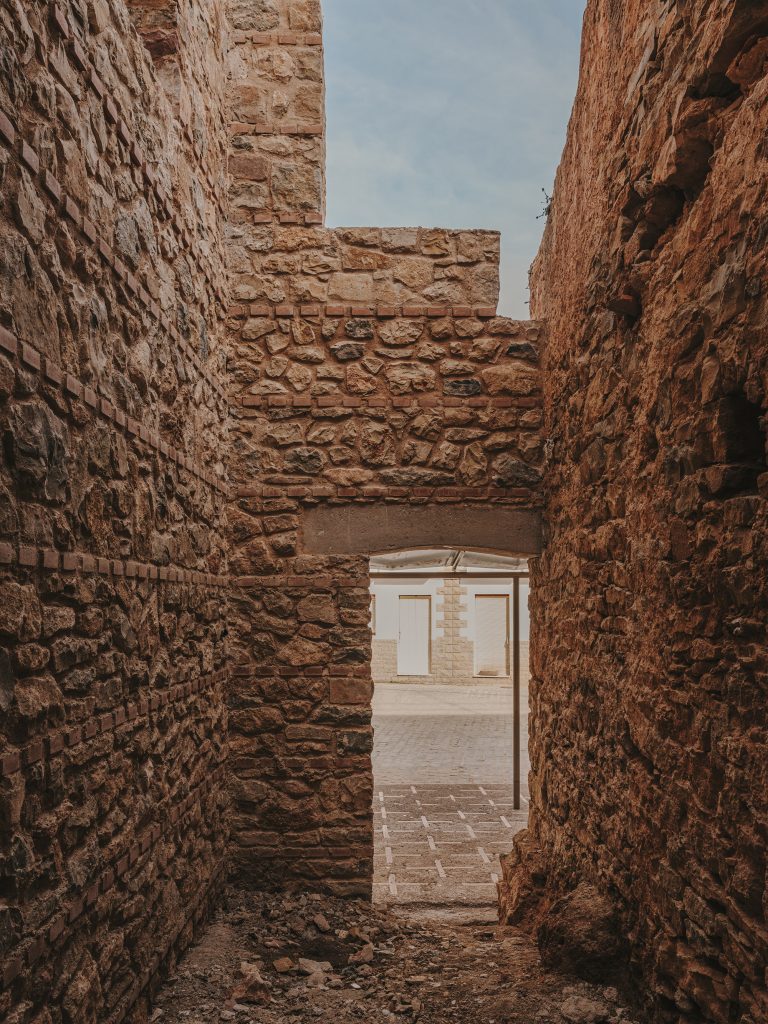
Through the arcades of the bull pens, a passageway is traced; its paving, made of stoneware cobbles and brushed concrete with crushed ceramic aggregate, acts as a service alley in contrast to the surrounding stone-paved plazas. The layout of the passage should as well consolidate the base of the walls in a state of ruin, which rest on a layer of exposed soft soil, as well as the torn masonry. A new wall rises, acting as a buttress: it stitches the existing structure and extends downward as an underpinning. A new façade is organized and aligned along the new cut-through, and the existing volumetry is expanded with another room.
A través de los soportales de los toriles se traza un pasaje; el pavimento de adoquín de gres y hormigón de árido cerámico triturado cepillado, como espacio servidor frente a las plazas de adoquín de piedra.
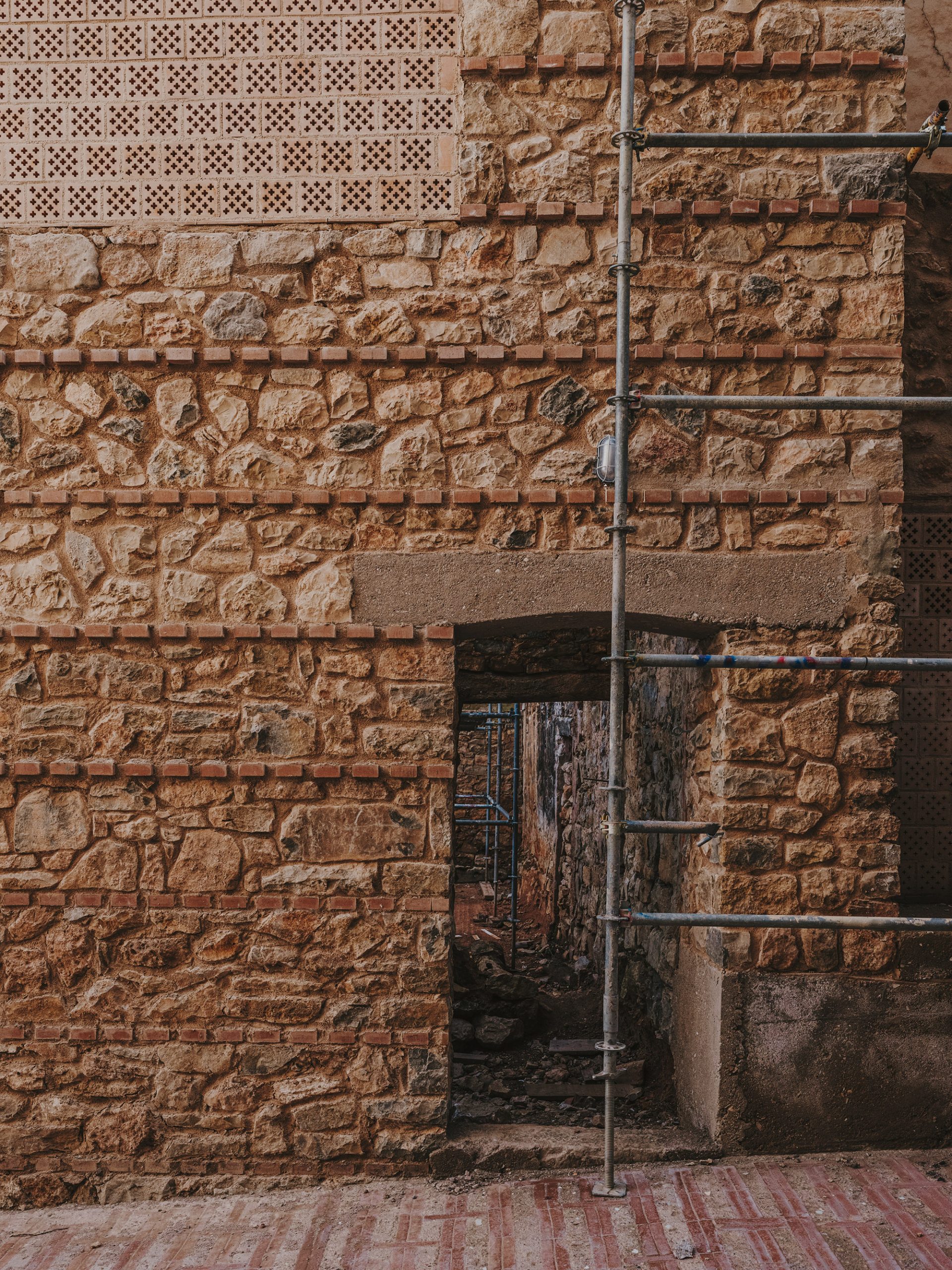
El trazado del pasaje ha de consolidar el arranque de los muros descubiertos en estado de ruina, que se apoyan en un estrato de tierra sobre rasante, así como la fábrica de mampostería rasgada tras el derrumbe. Se alza un nuevo muro que actúa como contrafuerte, cose el existente y se extiende como recalce inferior. Se ordena y alinea una nueva fachada para la nueva vía y se complementa la volumetría existente para dotar a la futura tasca de mayor espacio.
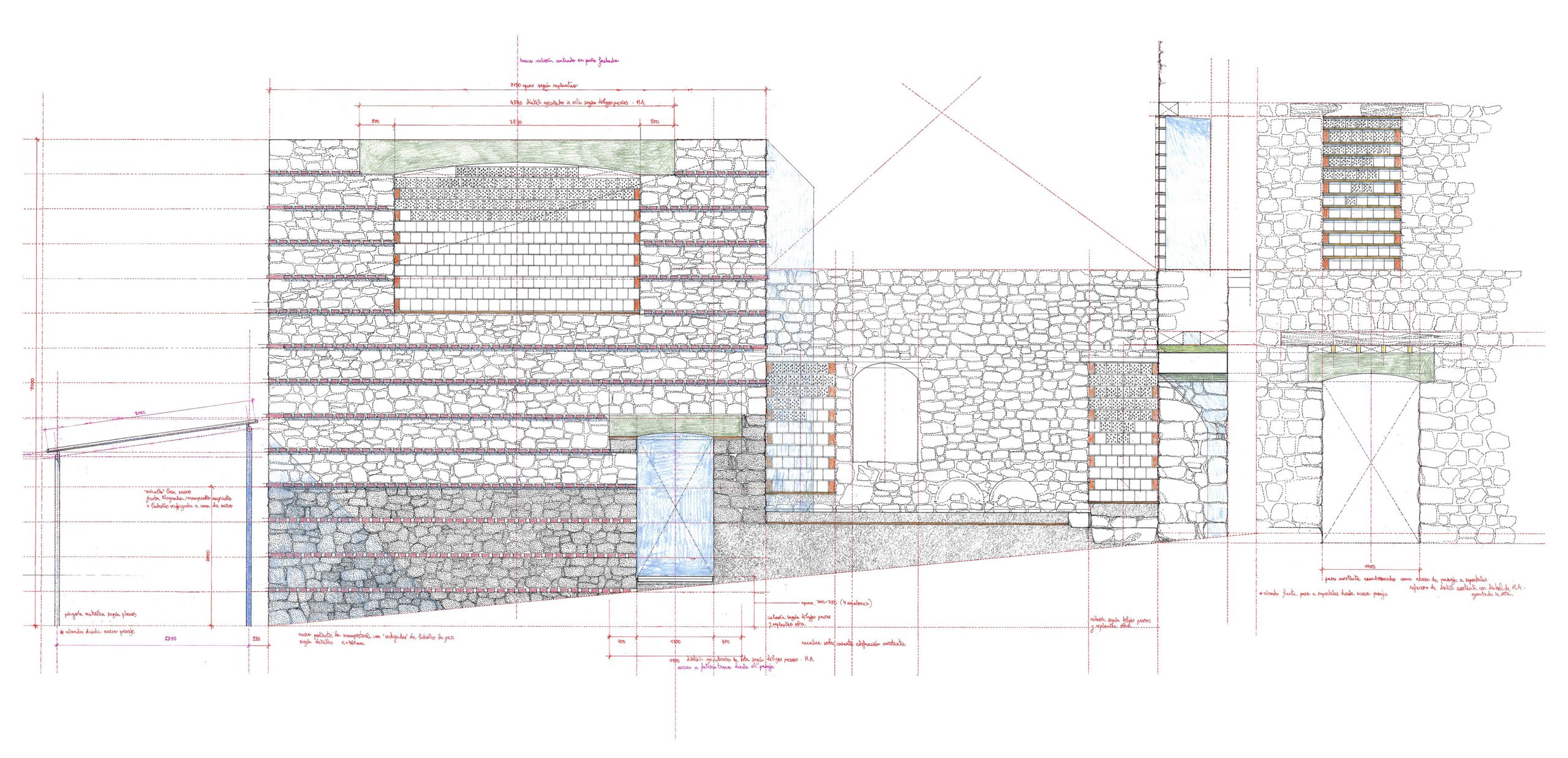
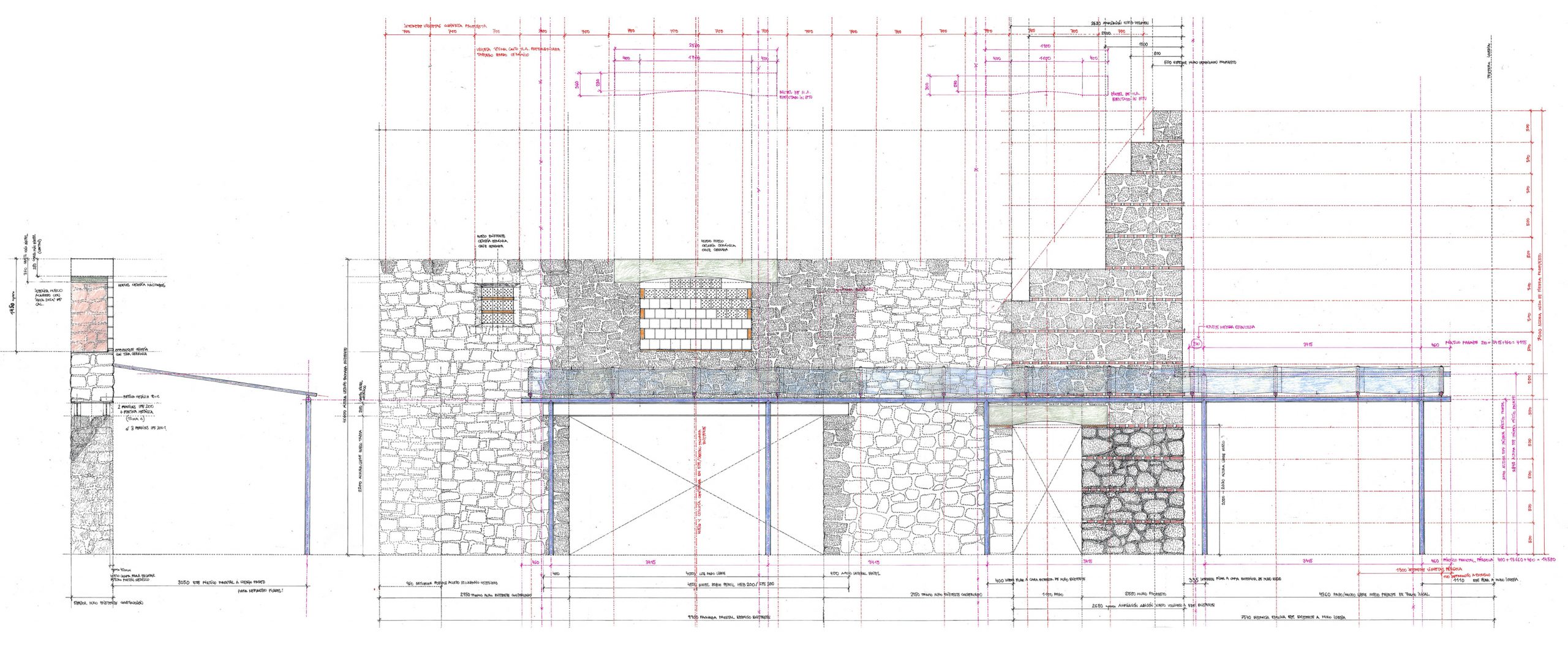
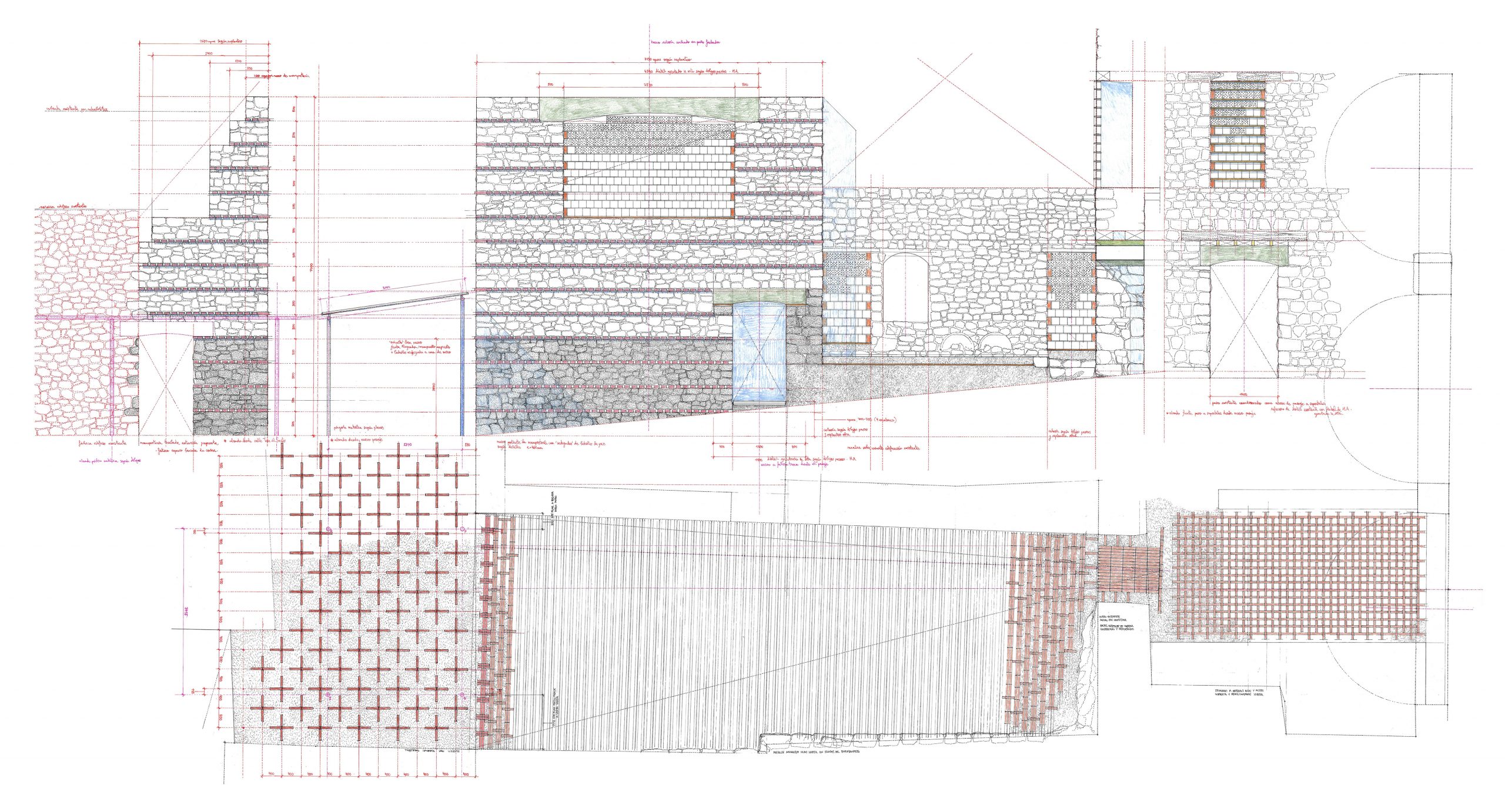
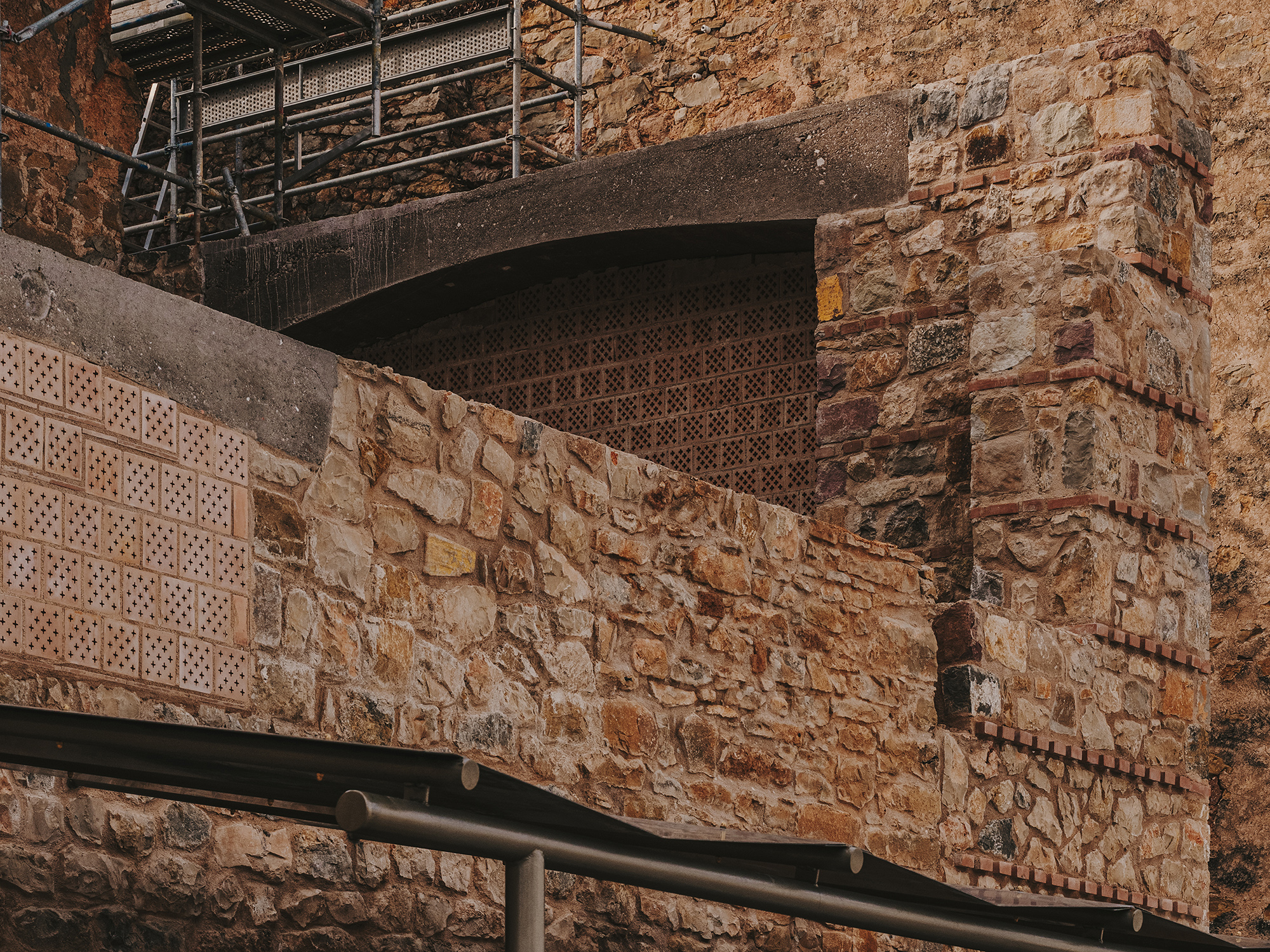
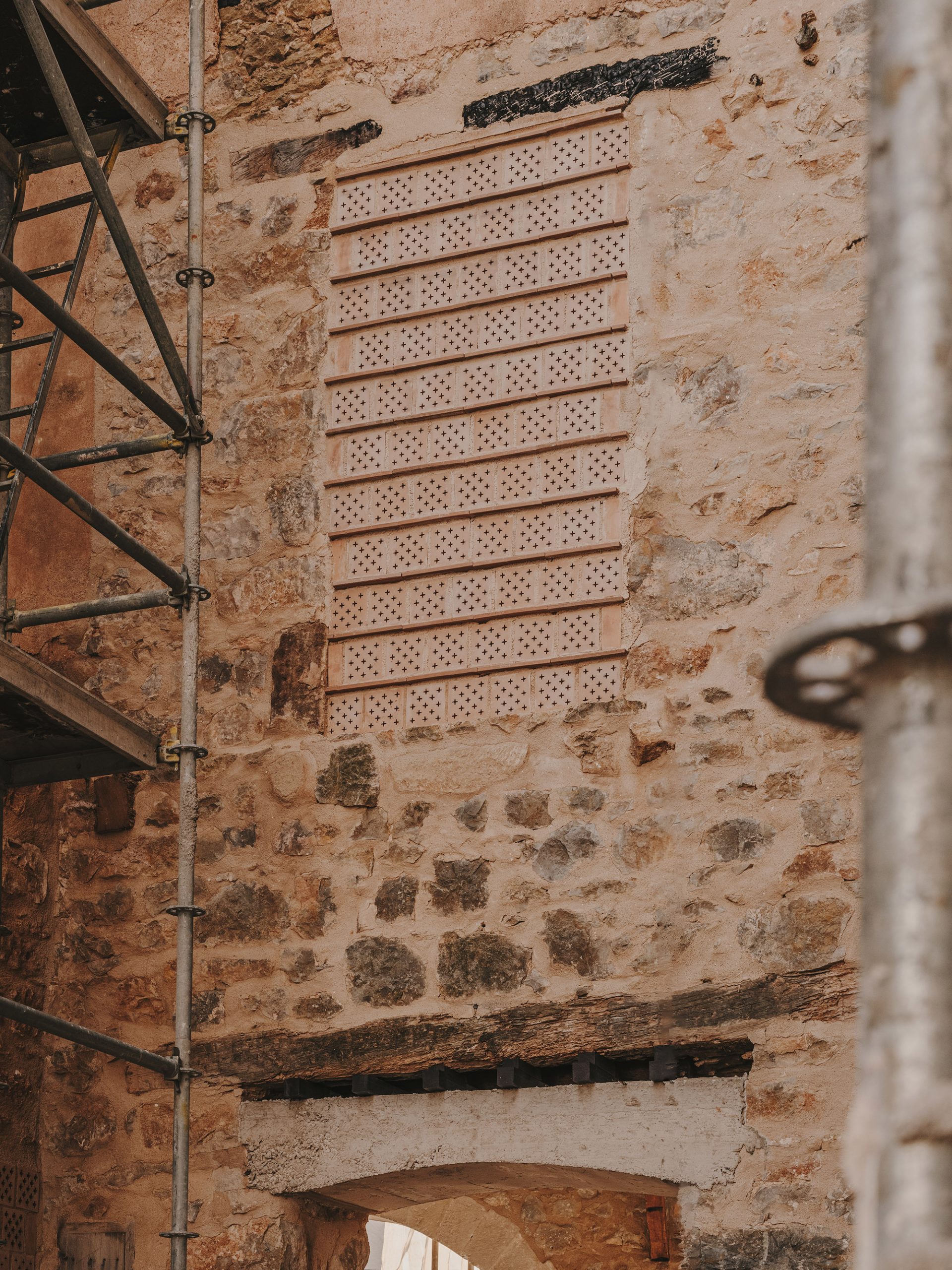
Both the new openings and all those that did not belong to the public façade are protected with ceramic lattice screens of open-cross and closed-cross patterns, flush with the outer face. A controlled and discreet elevation composition is maintained, rich in character, while functionally ensuring the ventilation of currently unused spaces, pending potential future reoccupation.
Tanto los huecos nuevos como todos aquellos que no pertenecían a la fachada pública se protegen con celosías cerámicas de cruz abierta y cruz cerrada, enrasadas a su cara exterior. Se mantiene una composición de alzados controlada y discreta, con un rico carácter, a la vez que funcionalmente se garantiza la ventilación de espacios en desuso en espera de una futura potencial reocupación.
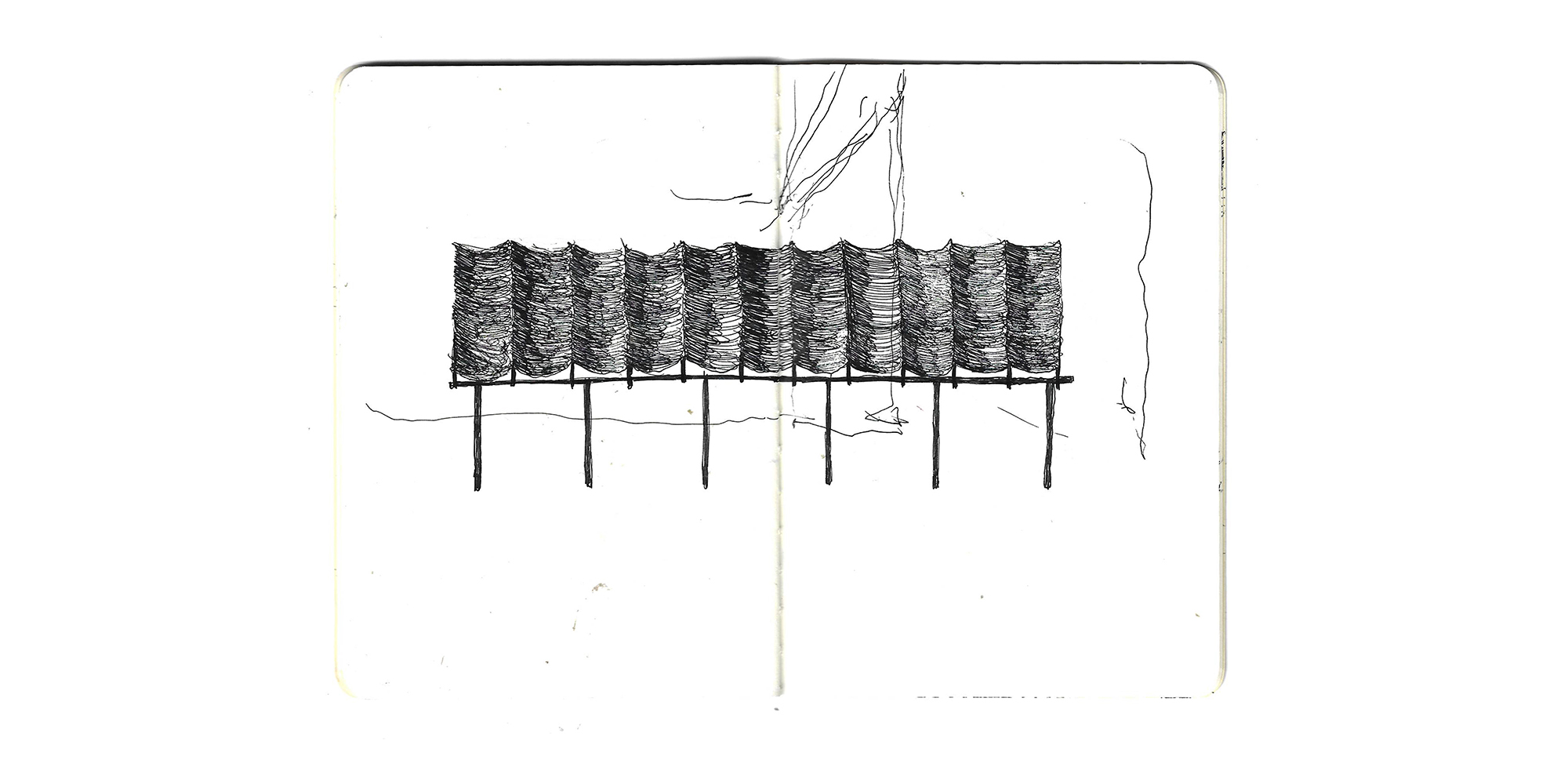
At the end of the passage, a light porch made of folded galvanized sheet metal with brass-thread fixings contains the space, much like the stone arcades on the opposite side. It provides shade and shelter to the future tavern, as well as an ordered frontage coexisting with the existing masonry constructions.
Al final del pasaje, un porche ligero de chapa plegada galvanizada y rosca de latón contiene el espacio como hacen las arcadas de piedra al otro lado. Ofrece sombra y resguardo a la futura tasca, así como un frente ordenado en coexistencia con las construcciones existentes de mampostería.
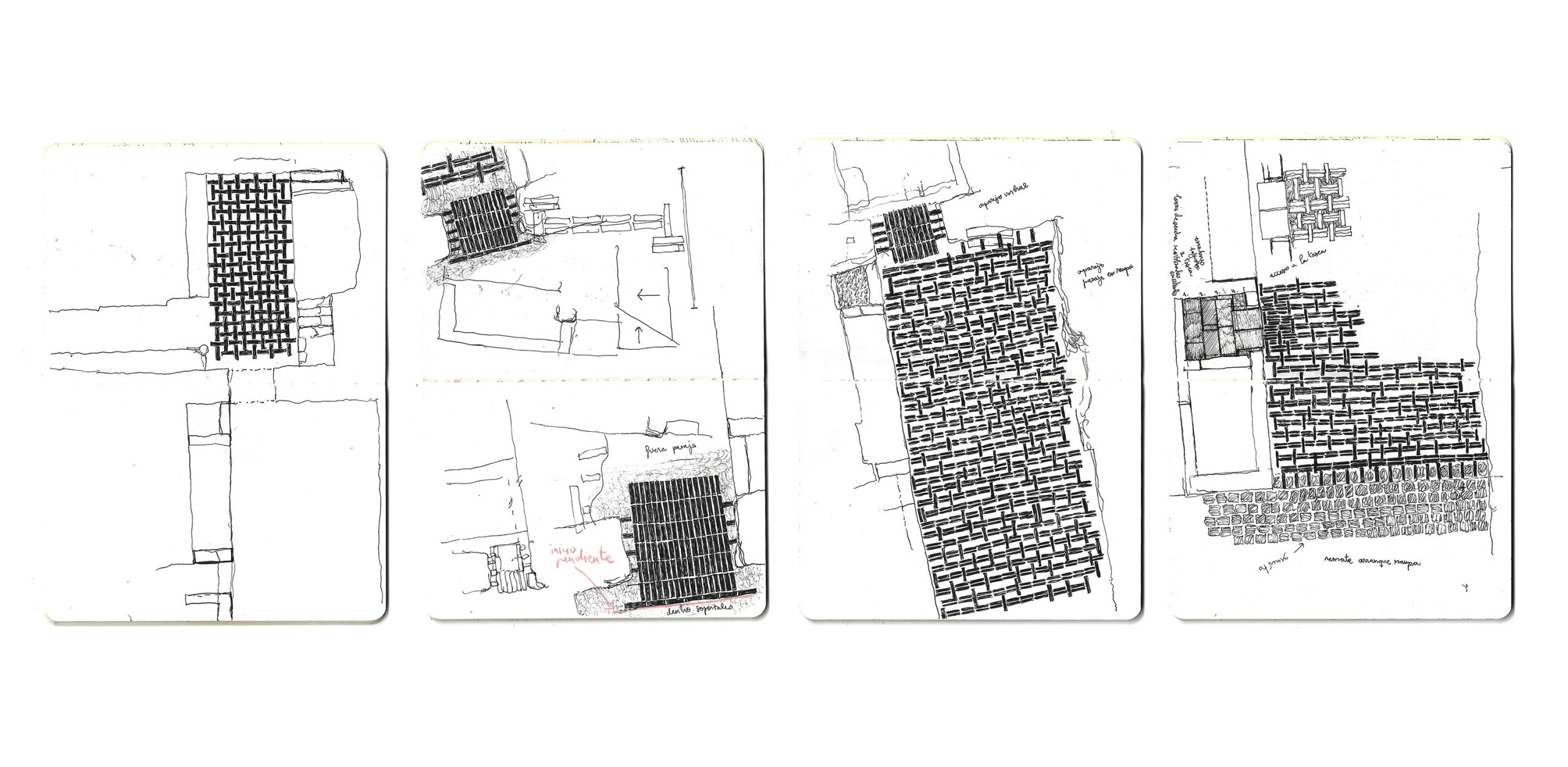
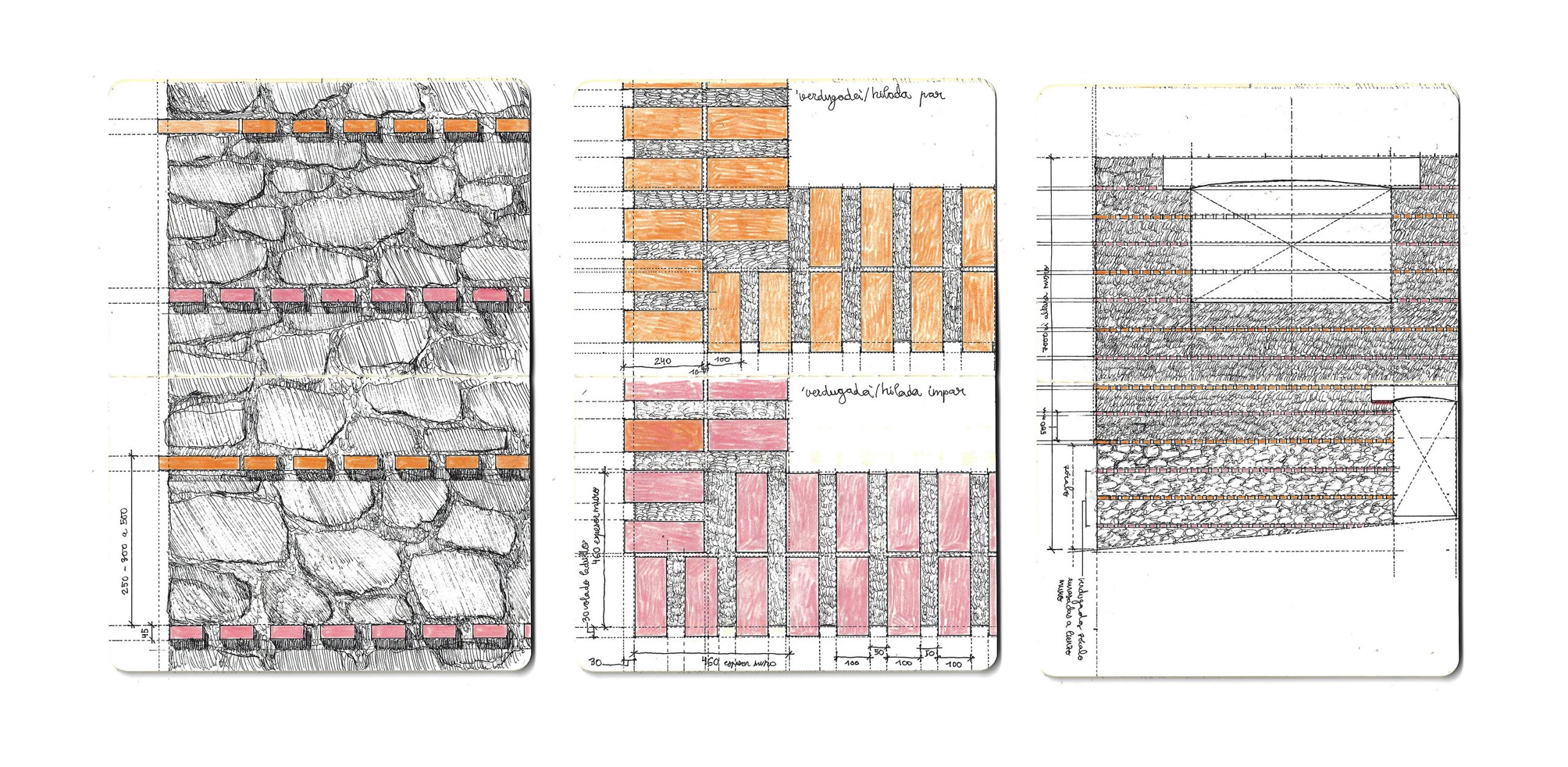
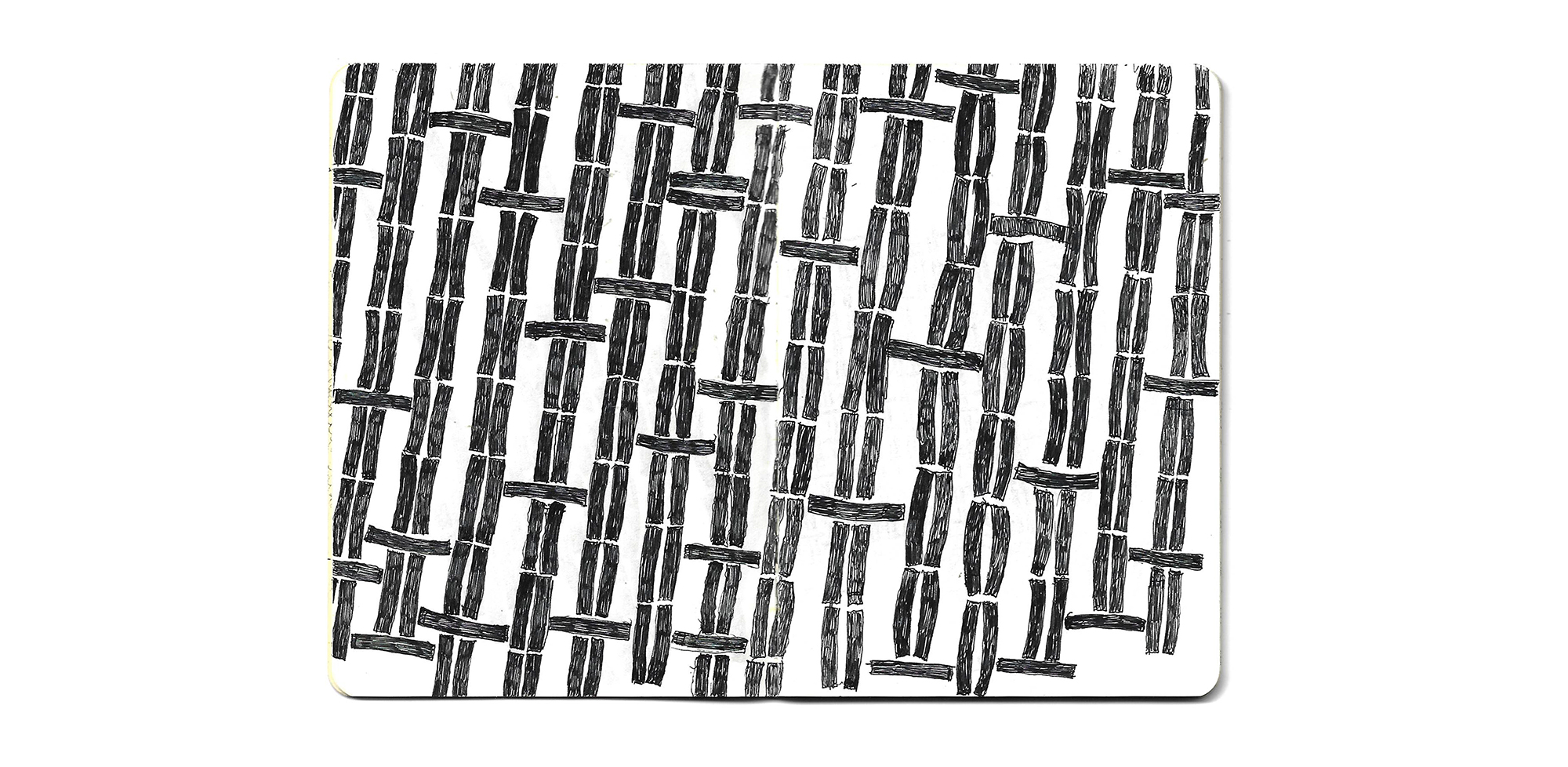
The materiality of the project seeks expression through a common language that integrates the intervention while allowing contemporary actions taken to remain legible. The use of ceramic in both vertical and horizontal surfaces dominated by stone is applied through bonds, lines, and patterns—subtle and of second order.
La materialidad del proyecto opta por expresarse usando un lenguaje común, que integra y a la vez permite la lectura distinguible de las acciones tomadas. El uso de la cerámica en paramentos verticales y horizontales dominados por la piedra se aplica a base de aparejos, rayas y patrones contemporáneos, discretos y de segundo orden.
This is an intervention of a certain urgency, aimed at maintaining the public heart of a small hamlet, while overlapping with more technical operations of consolidation and rehabilitation. The project seems to express the loose provisionality of the surrounding rural life.
Se trata de una intervención de cierta urgencia, con el objeto de mantener en uso el corazón público de una pequeña pedanía, a la vez y en superposición con intervenciones de carácter más técnico de consolidación y rehabilitación. Parece que el proyecto expresa la provisionalidad laxa de la vida del lugar.
Text by Bona fide taller (Alejandro Martínez del Río)
***
Bona fide taller is founded (Alejandro Martínez del Río, Valencia) with a goal:
Se crea el taller Bona fide (Alejandro Martínez del Río, Valencia) con un horizonte:
To reject the name, the trend and the style in order to free the man and that what he draws. The hand be thus the tool and not the signature; craftsmanship of sincere trade, expressive and natural of its place, that ages in beauty with time.
Enjaular el nombre, la moda y el estilo para dar libertad a lo que dibuja el hombre. Ser así la mano la herramienta y no la firma; artesana de una construcción sincera, expresiva y propia de su lugar, que embellezca al tiempo.