**Article written by Jacopo Vantini **
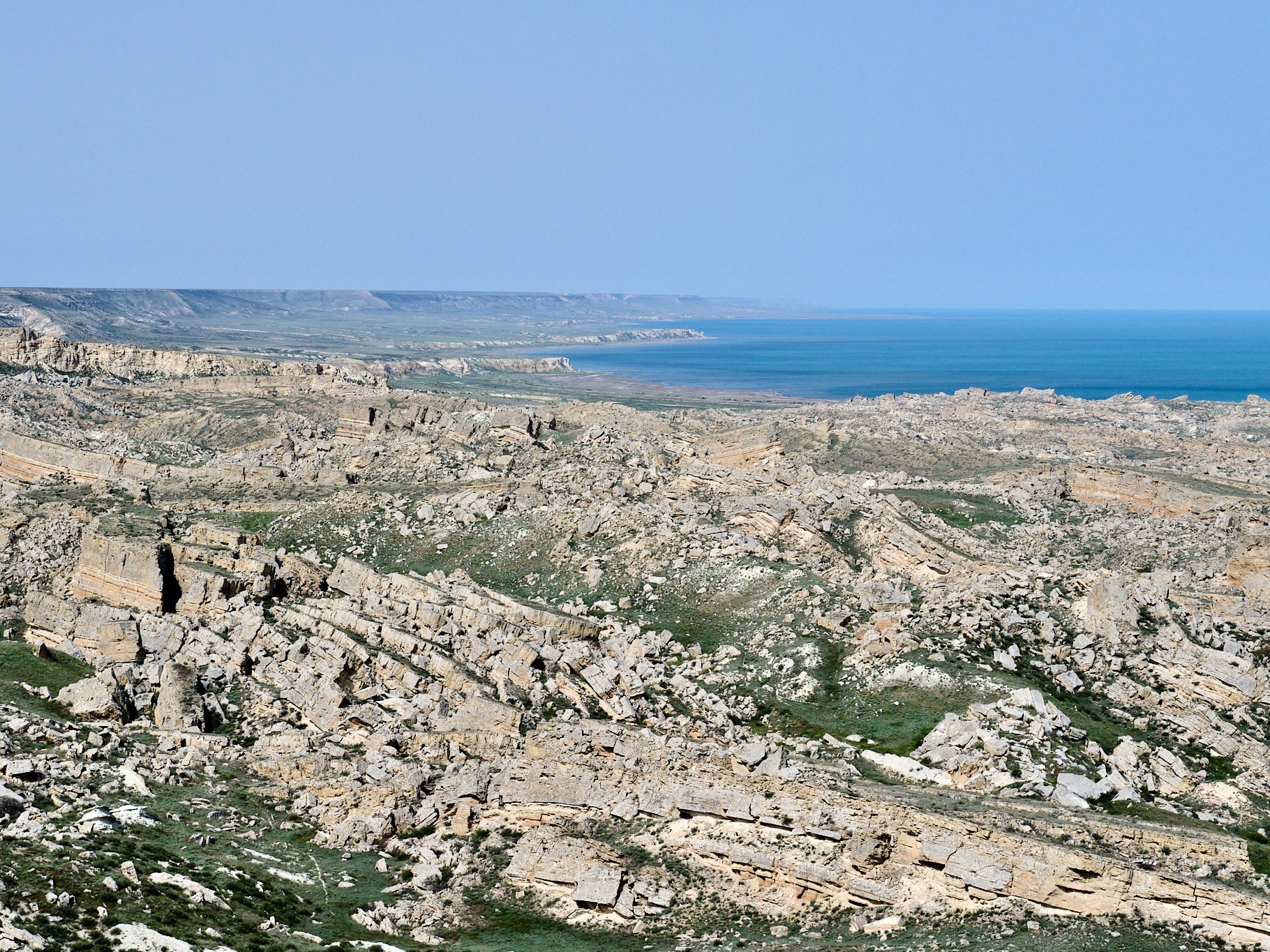
Mangystau region is situated on the eastern side of Kazakhstan, facing the Caspian Sea. It is a desolate and forgotten land where its landscape speaks of an ancient Ocean, wherein the steppe is interrupted by sudden earth depressions in which one can find the dreamiest rock erosions and salt lakes.
La región de Mangystau se encuentra en la parte oriental de Kazajistán, frente al mar Caspio. Es una tierra desolada y olvidada cuyo paisaje evoca un antiguo océano, en el que la estepa se ve interrumpida por repentinas depresiones del terreno en las que se pueden encontrar las erosiones rocosas y los lagos salados más oníricos.
In this exceptional and inhospitable landscape, Humans found ways to settle down. Once, Mangystau was on the Silk Road, and its sacred places were both pilgrimage destinations and resting places for commercial caravans. Nevertheless, the repeated migrations and wars that disrupted trade routes have made the region a site of mass pilgrimage, and it is considered the land of 362 saints. The most venerated of them spread Sufism to these lands, and it still has strong roots there. In Kazakhstan, the worship of shrines in mystical Sufi Islam merges with secular Teengrist and Shamanic nomadic traditions, such as the veneration of ancestors.
En este paisaje excepcional e inhóspito, los seres humanos encontraron la manera de establecerse. En otros tiempos, Mangystau se encontraba en la Ruta de la Seda, y sus lugares sagrados eran tanto destinos de peregrinación como lugares de descanso para las caravanas comerciales. Sin embargo, las constantes migraciones y guerras que tuvieron lugar, interrumpiendo las rutas comerciales, han convertido a la región en un lugar de peregrinación masiva, y se la considera la tierra de los 362 santos. El más venerado de ellos difundió el sufismo por estas tierras, que aún hoy mantiene fuertes raíces. En Kazajistán, el culto a los santuarios del místico islam sufí se fusiona con las tradiciones seculares teengristas y chamánicas nómadas, como la veneración de los antepasados.
According to legends, Sultan Epe is considered the saint protector of seamen, patron of fishermen, and saviour of drowning people. For this reason, the cult of this saint refers to sea and fresh water as important symbols: on one hand, water, the maternal element, that saves from the desert, on the other hand, the threatening and destructive force of the sea.
Según las leyendas, el sultán Epe es considerado el santo protector de los marineros, el patrón de los pescadores y el salvador de los ahogados. Por esta razón, el culto a este santo se refiere al mar y al agua dulce como símbolos importantes: por un lado, el agua, elemento maternal, que salva del desierto; por otro, la fuerza amenazante y destructiva del mar.
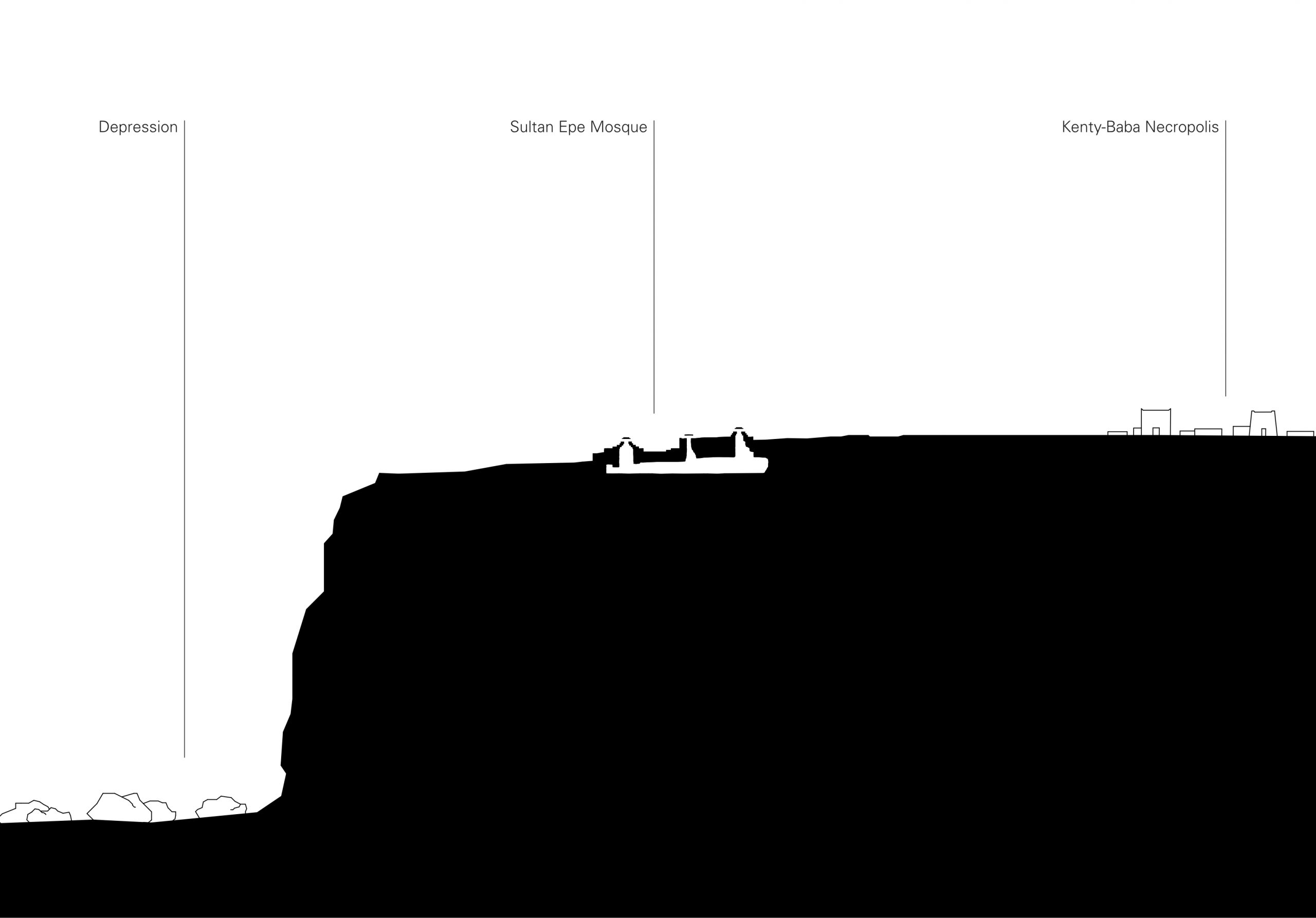
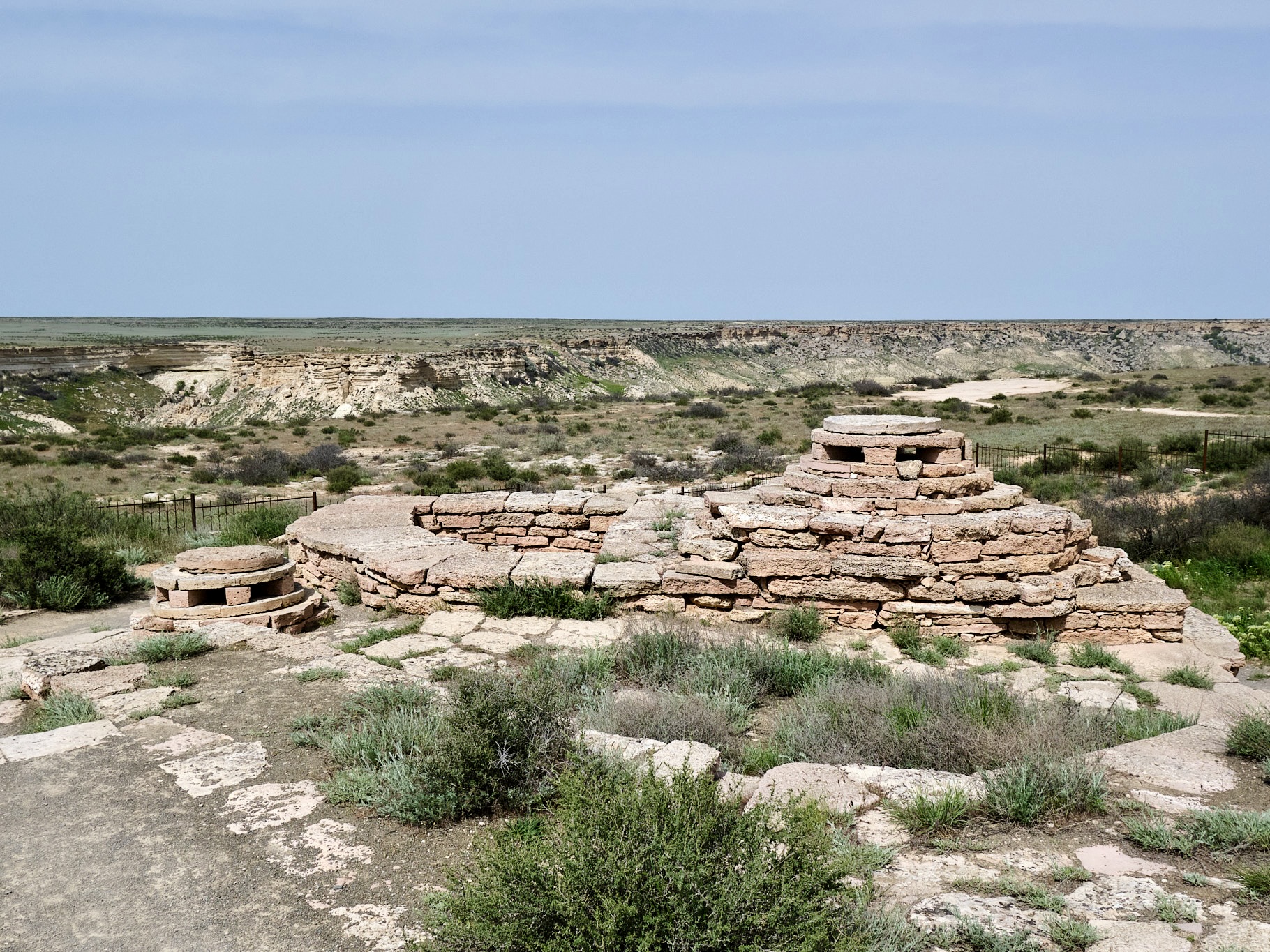
The underground mosque of Sultan Epe of Mangystau is found in this harsh yet fascinating context. The Mosque is situated not far away from the Caspian coast and lies in proximity of a deep canyon that interrupts the flat steppe.
La mezquita subterránea del sultán Epe de Mangystau se encuentra en este contexto inhóspito pero fascinante. La mezquita está situada no muy lejos de la costa del mar Caspio y se encuentra cerca de un profundo cañón que interrumpe la llanura esteparia.
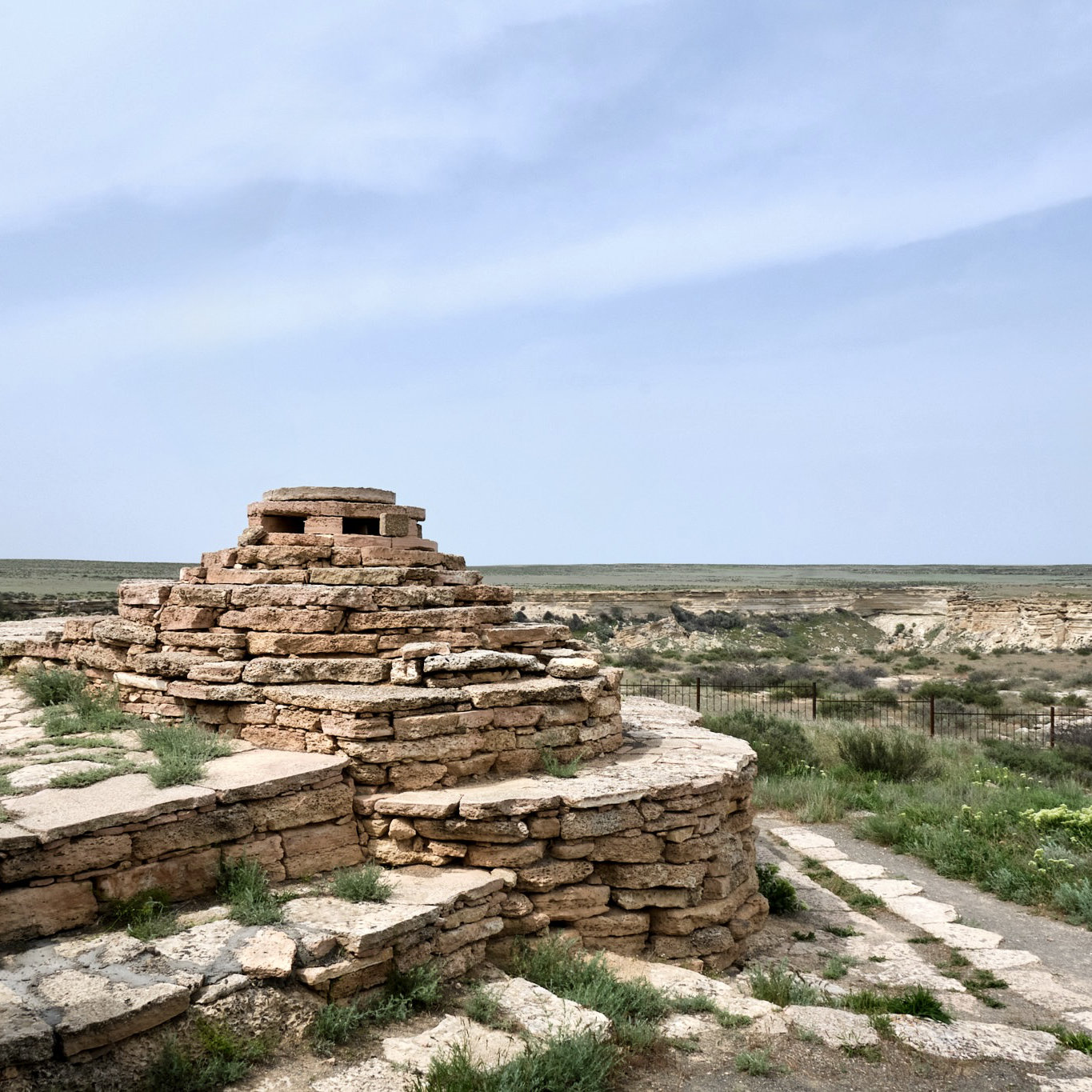
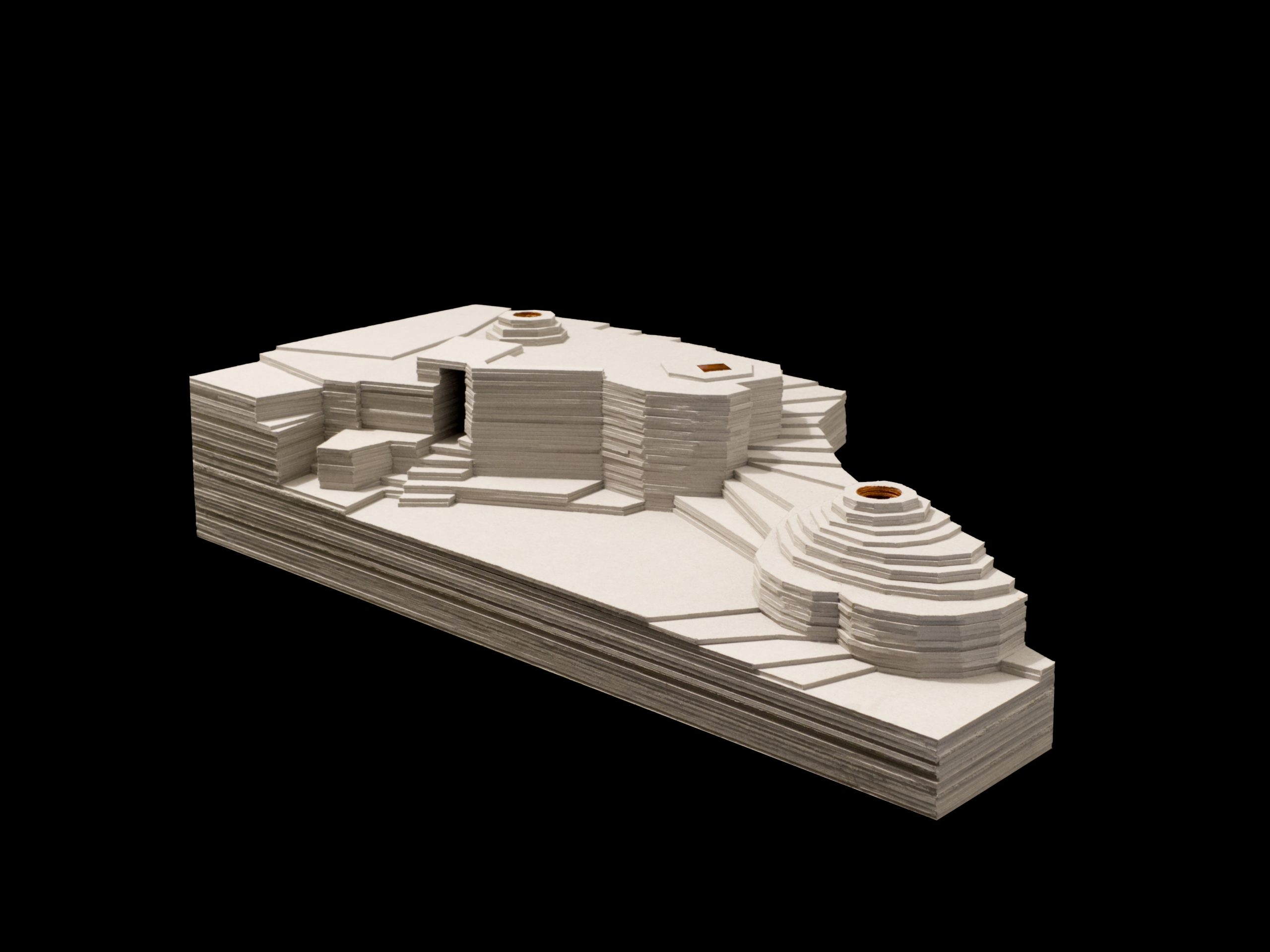
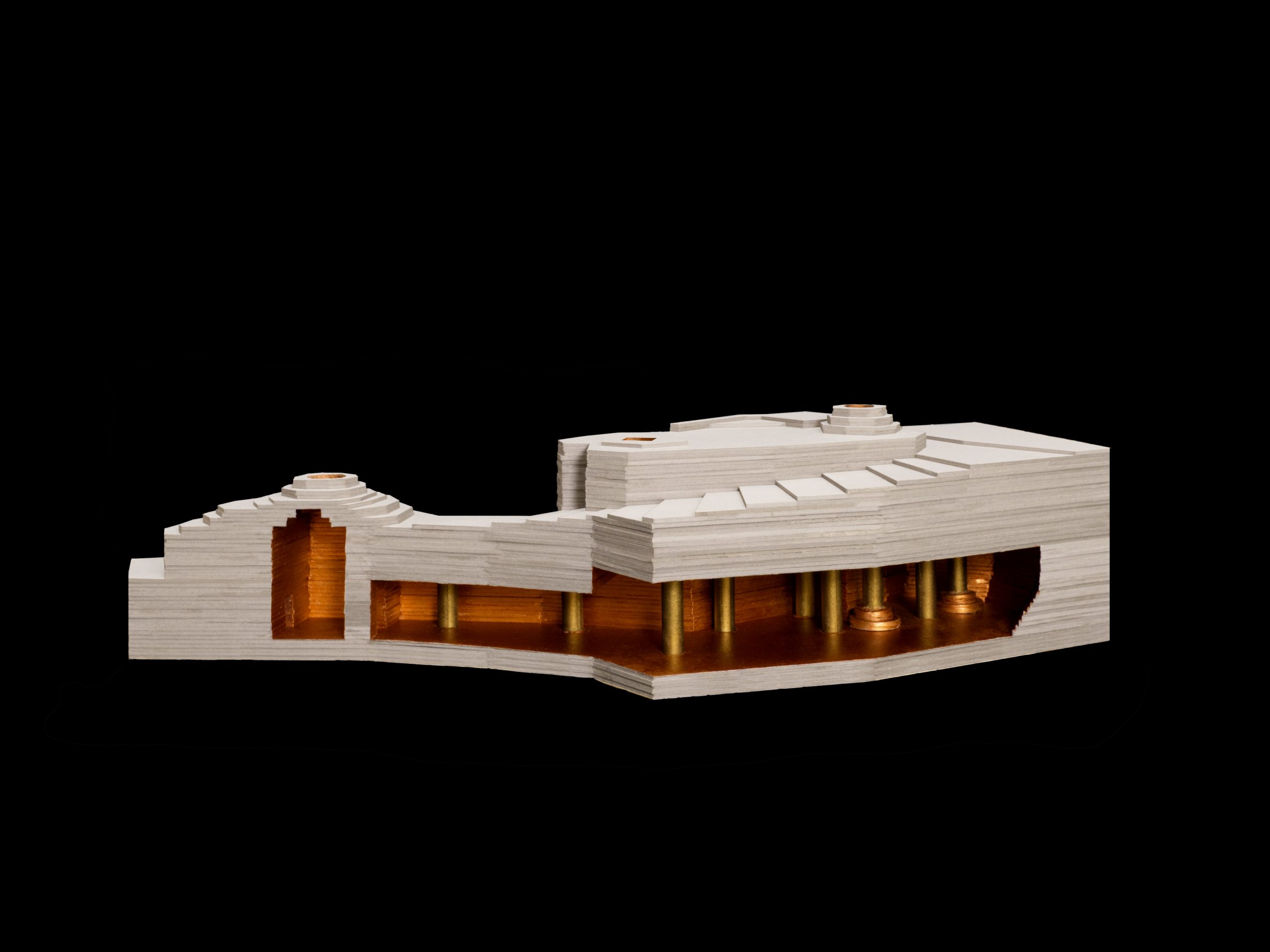
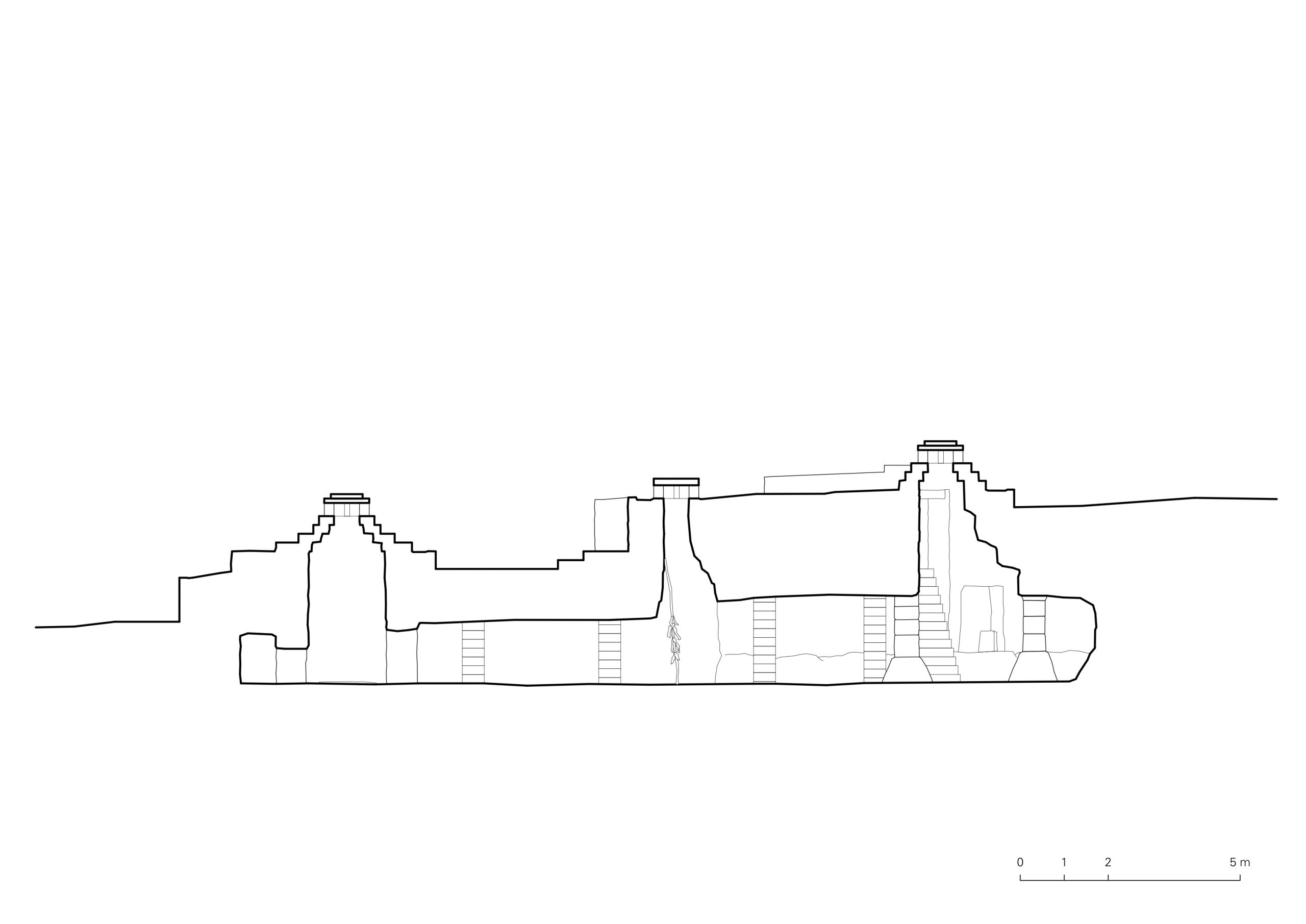
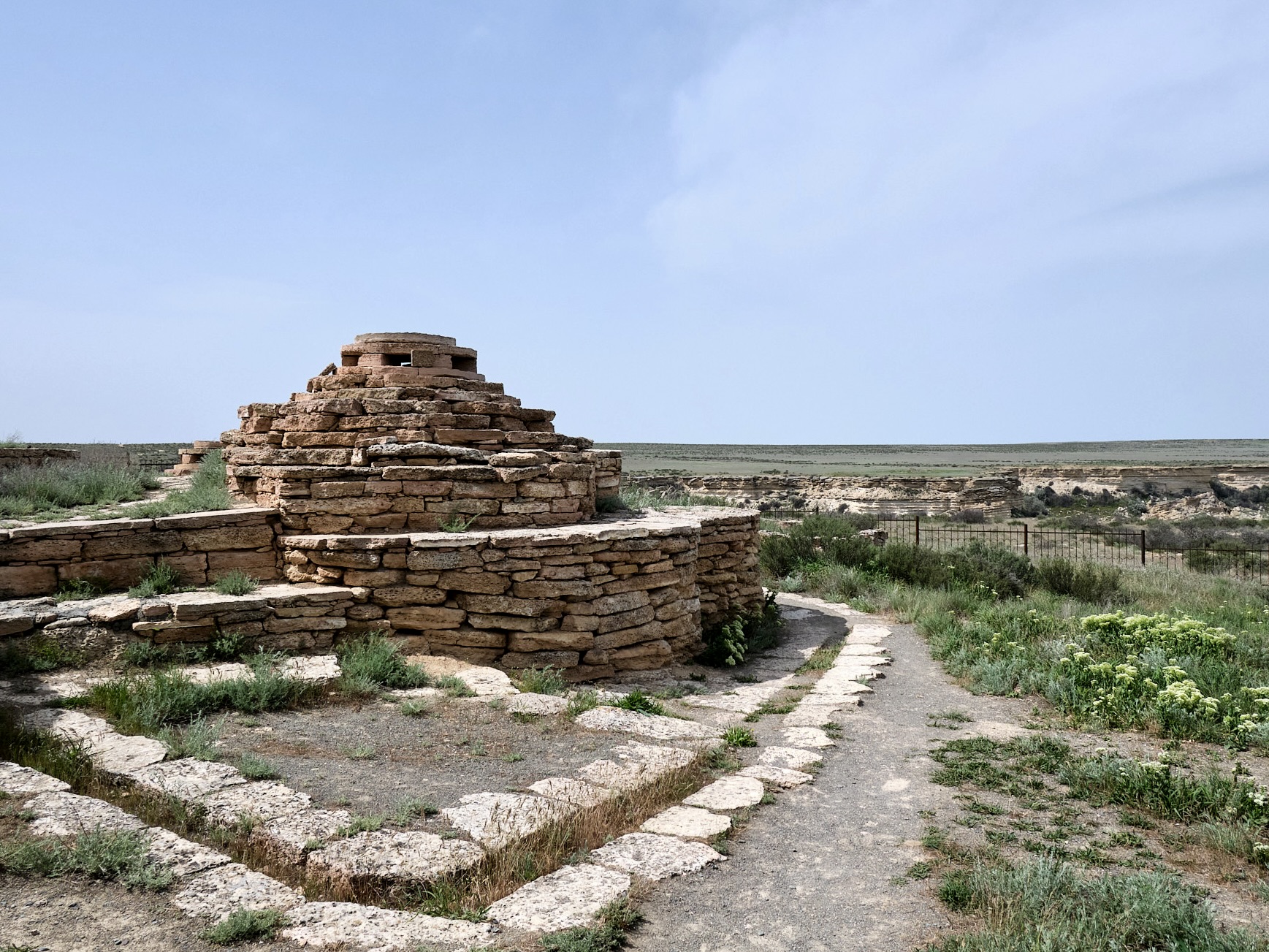
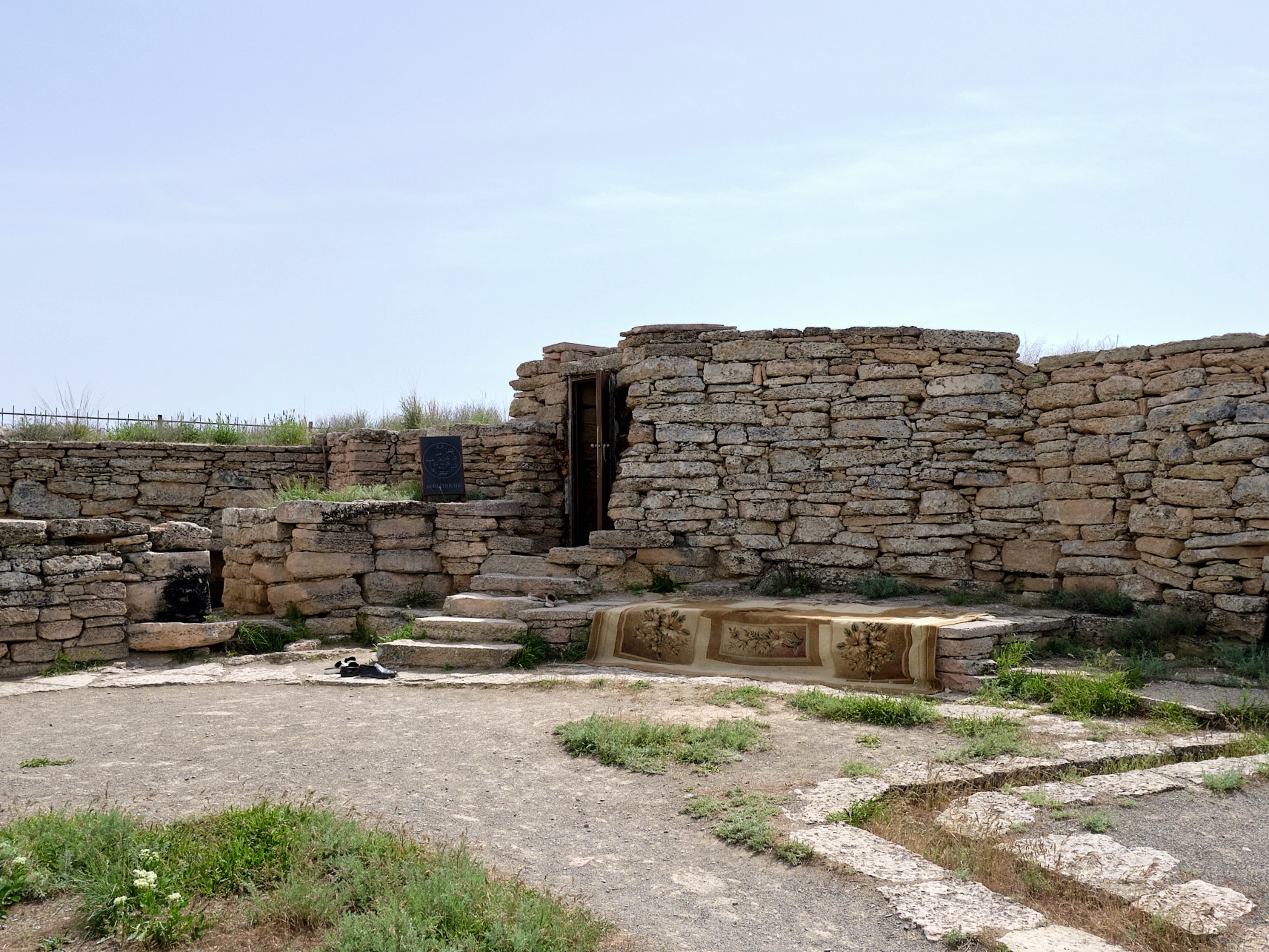
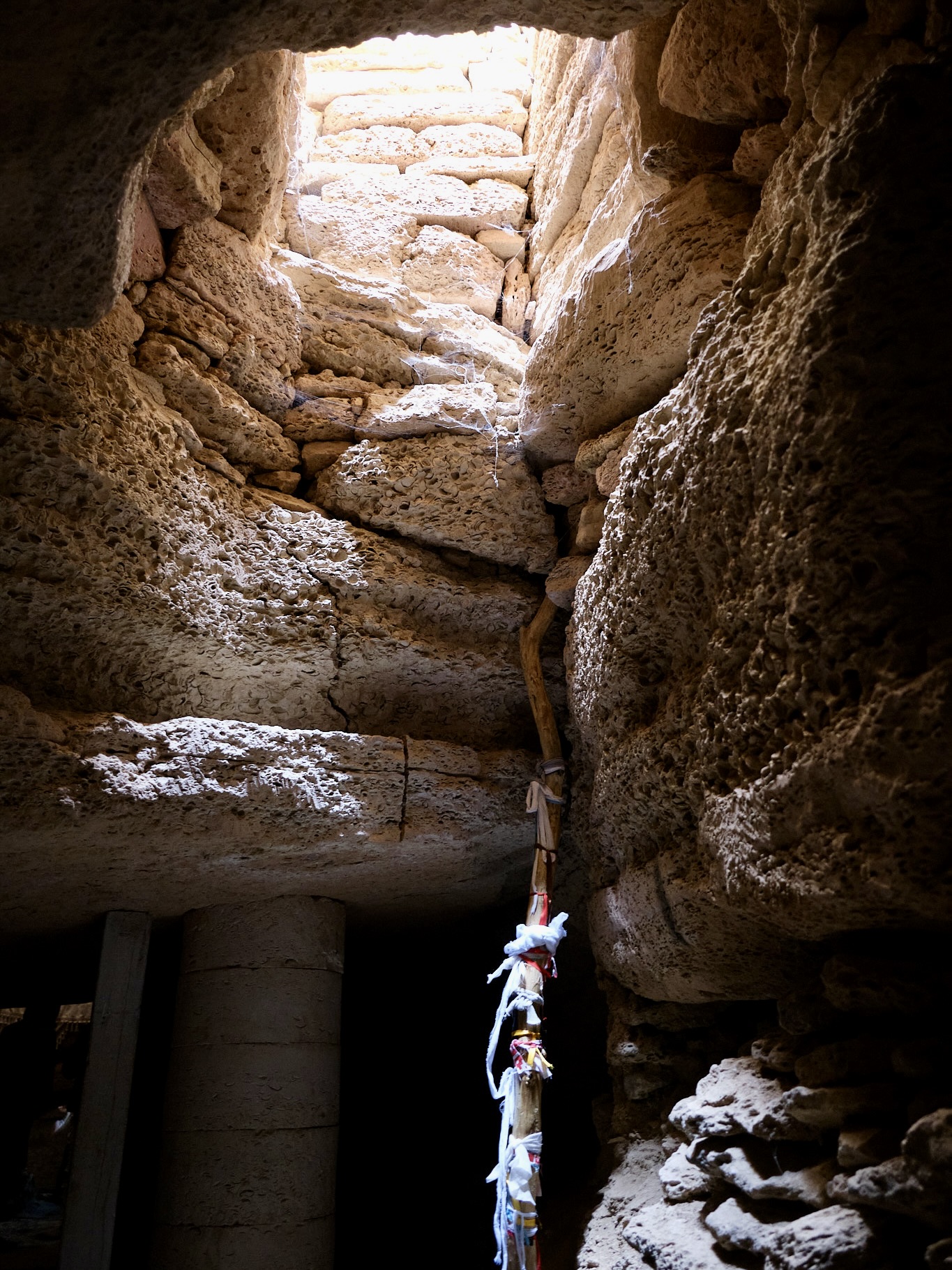
Approaching the sacred site, the visitor passes by a couple of low limestone rock constructions, from which circular skylights protrude, bringing light into the underground space. The path goes down and finally reaches the entrance: a simple door leading down to the inner sacred space.
Al acercarse al lugar sagrado, el visitante pasa junto a un par de construcciones bajas de piedra caliza, de las que sobresalen claraboyas circulares que iluminan el espacio subterráneo. El camino desciende y finalmente llega a la entrada: una sencilla puerta que conduce al espacio sagrado interior.
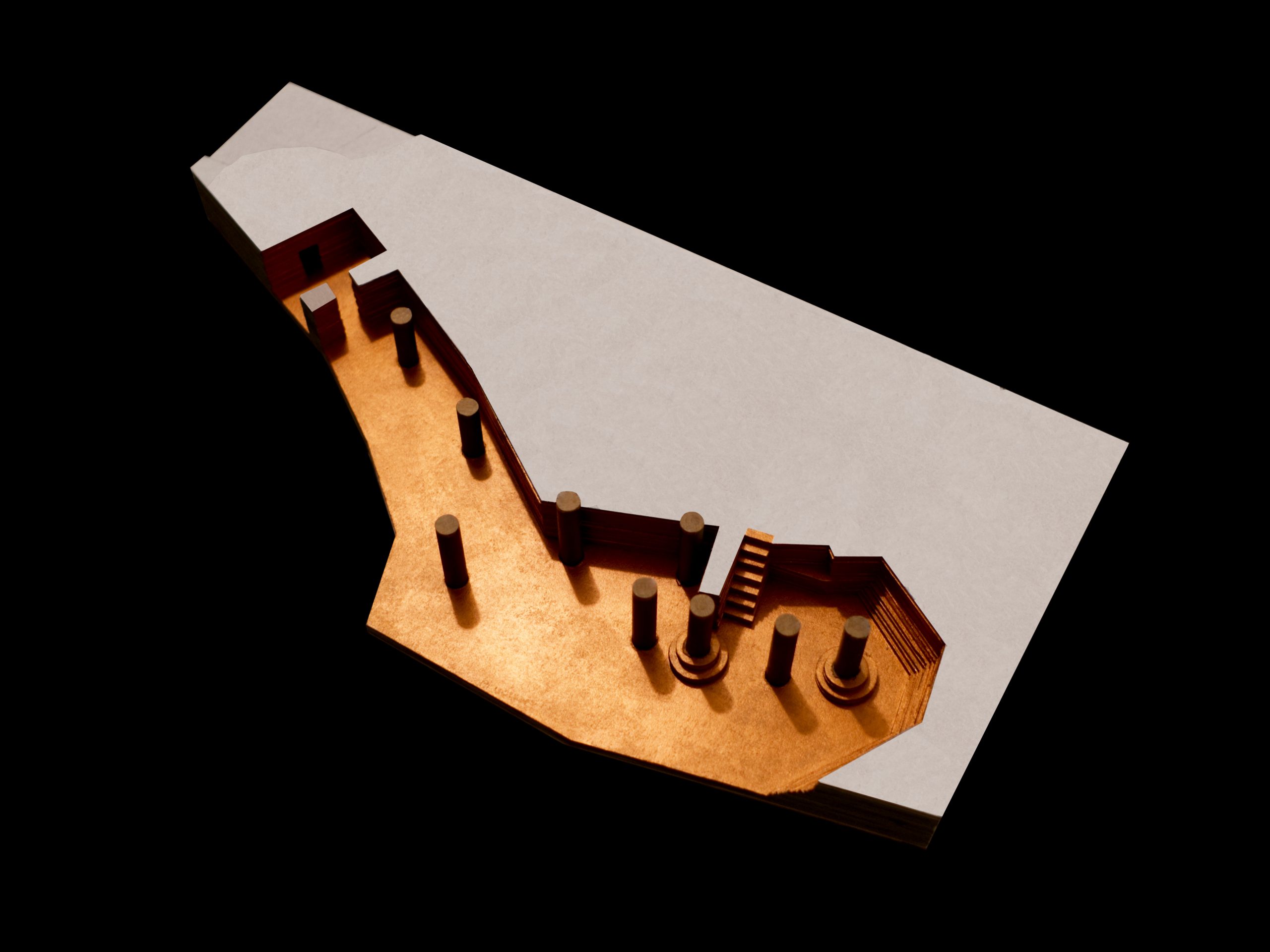
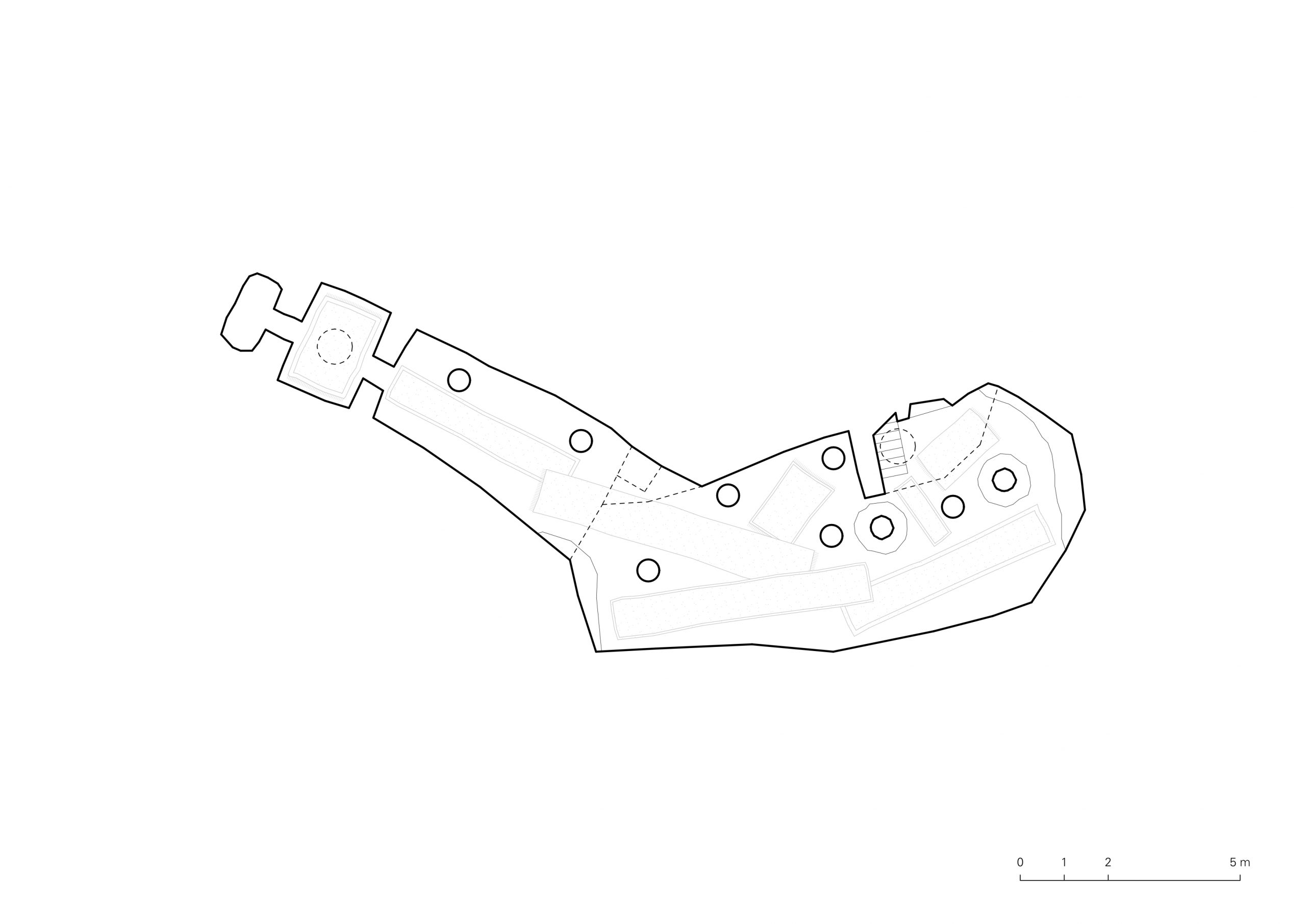
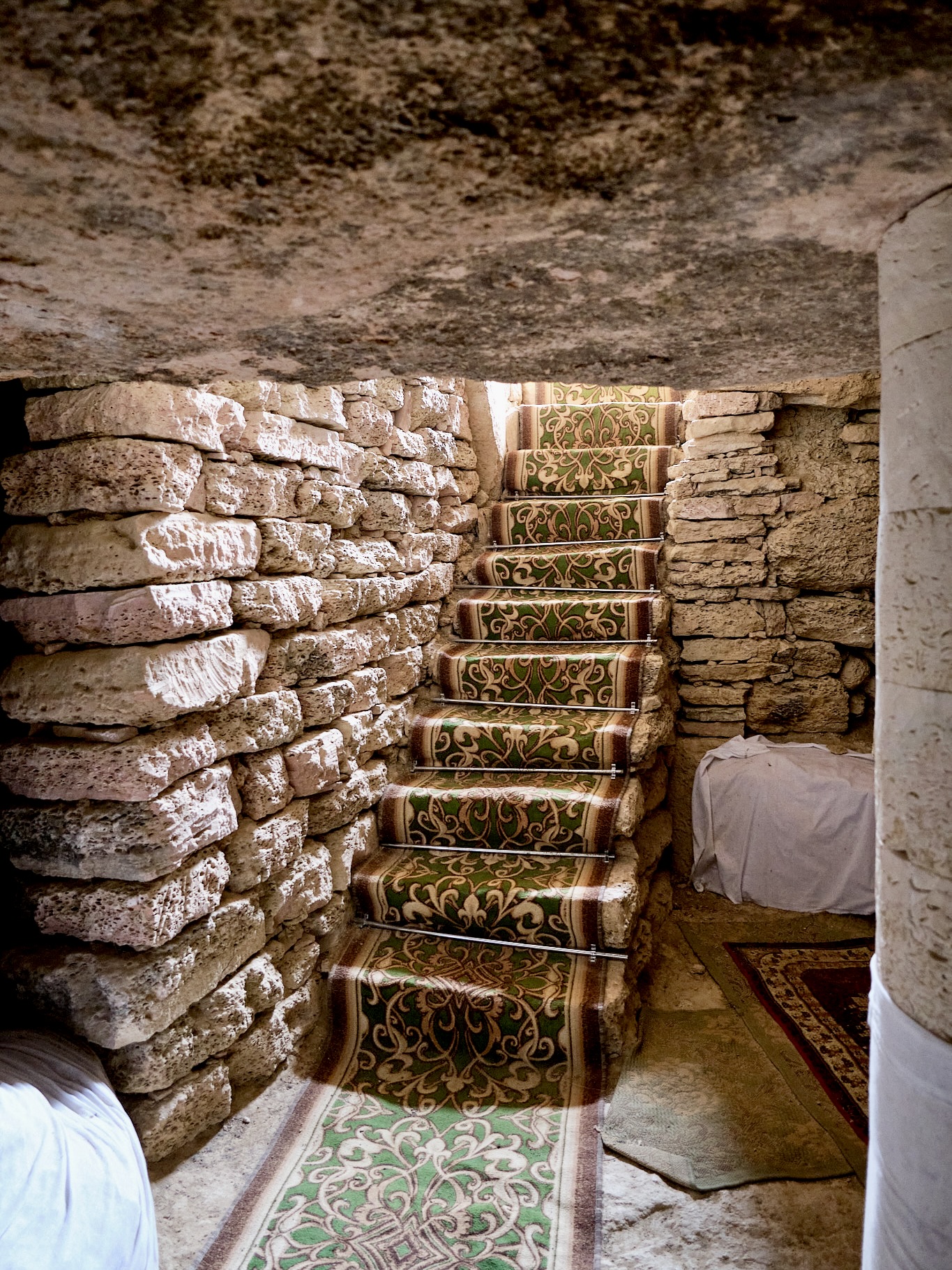
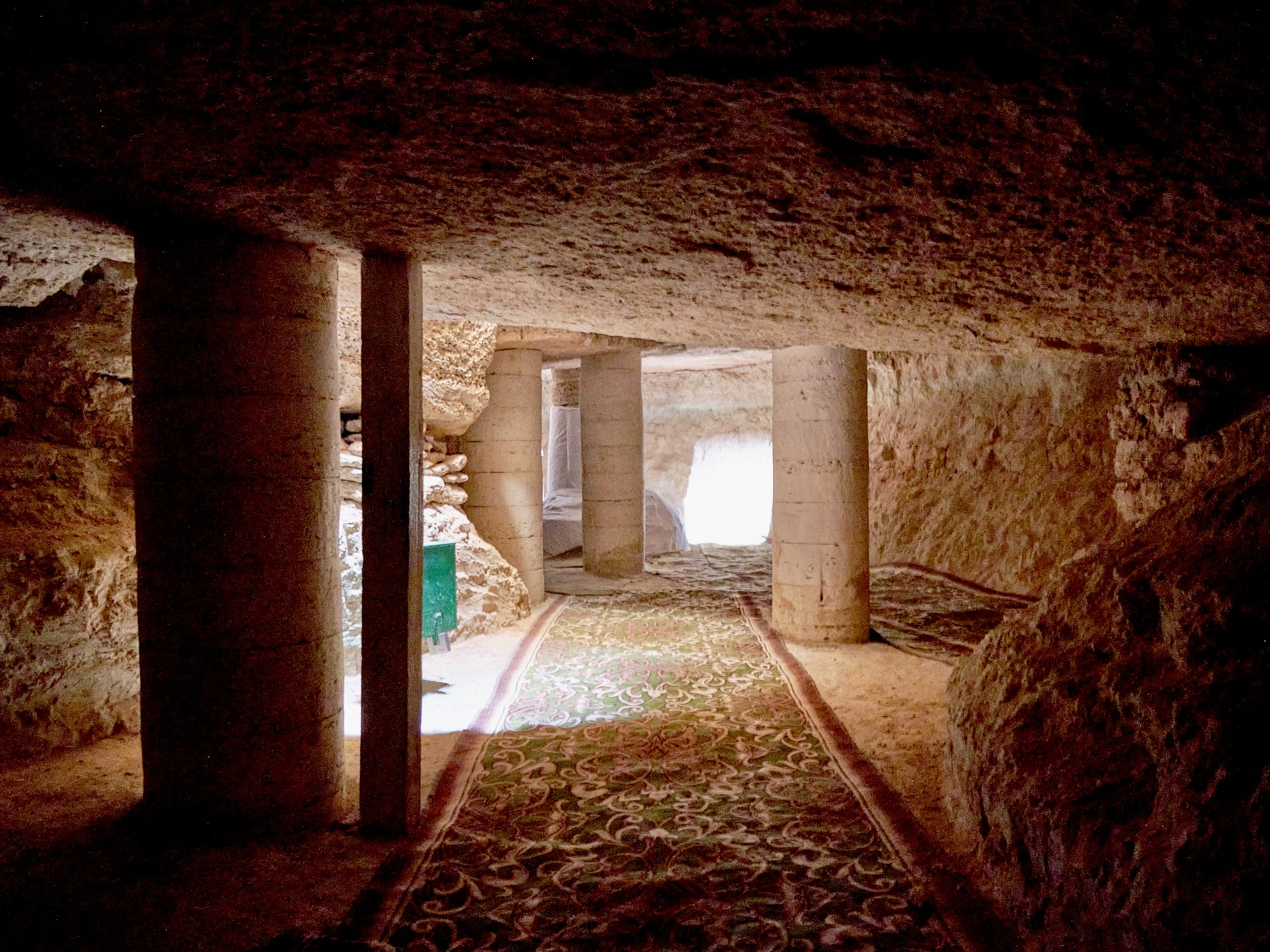
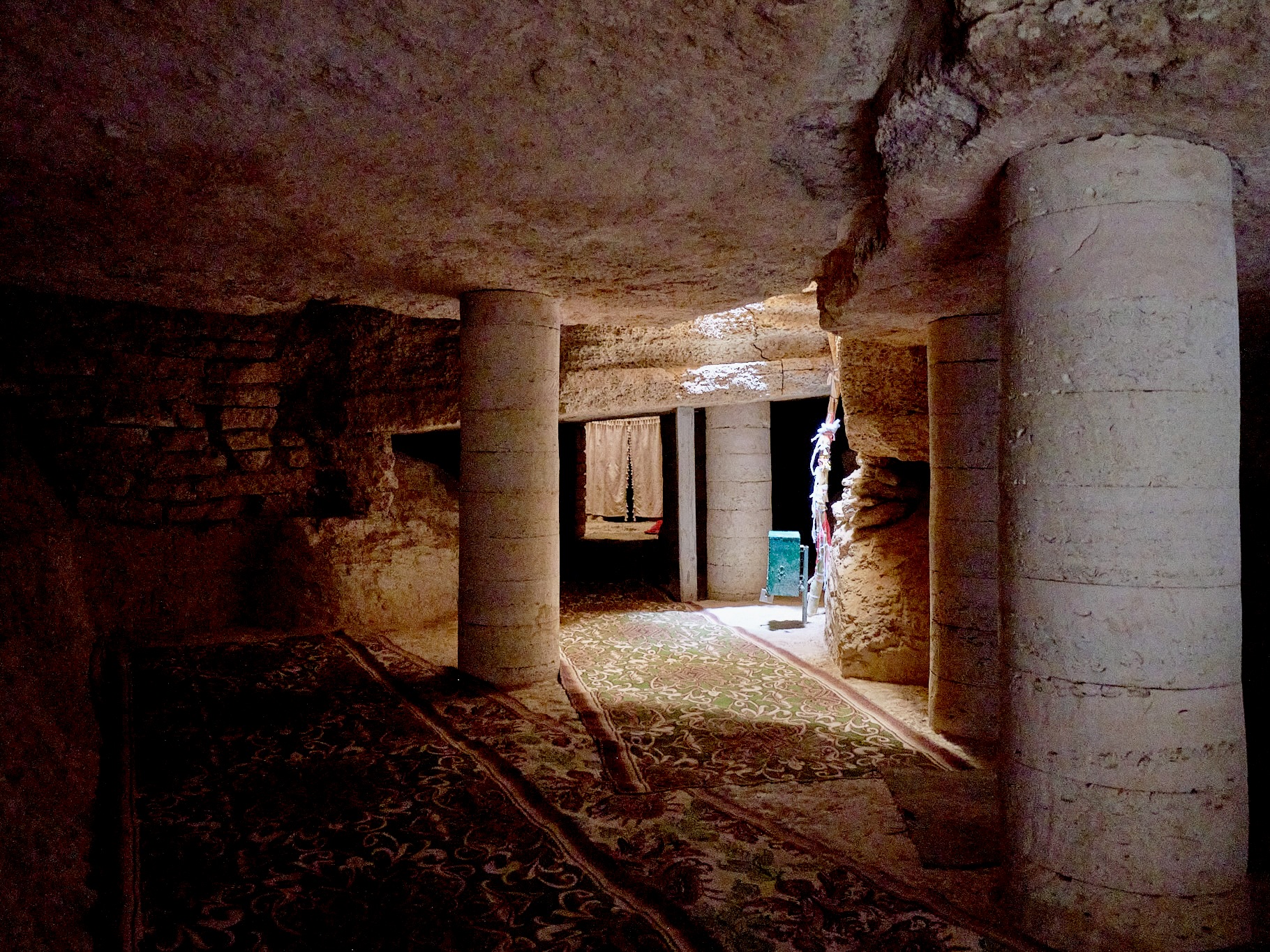
The mosque’s continuous, narrow space is shaped by pillars that bear different heights of the rock ceiling. Its natural light, coming through the skylights and reverberating off the limestone internal surfaces, mainly defines and characterizes the mosque’s unique atmosphere. The praying spaces are so defined by natural light, which creates contrast with the overall darkness and enhances the sense of sacredness.
El espacio continuo y estrecho de la mezquita está conformado por pilares que sostienen el techo de roca a distintas alturas. La luz natural, que entra por las claraboyas y se refleja en las superficies internas de piedra caliza, define y caracteriza principalmente la atmósfera única de la mezquita. Los espacios de oración están definidos por la luz natural, que crea un contraste con la oscuridad general y realza la sensación de sacralidad.
Sultan Epe reminds us of the essential elements that have shaped architecture for ages: light, material, and space. Furthermore, the mosque is a clear example of how the uniqueness of a construction is closely linked to its natural context and to the traditions established over the years, in other words, the Genius Loci.
Sultan Epe nos recuerda los elementos esenciales que han dado forma a la arquitectura desde tiempos inmemoriales: la luz, los materiales y el espacio. Además, la mezquita es un claro ejemplo de cómo la singularidad de una construcción está estrechamente ligada a su contexto natural y a las tradiciones establecidas a lo largo de los años, es decir, al Genius Loci.
Jacopo Vantini is an architect living and working in Padova, Italy. Graduated in 2012 from Accademia di architettura di Mendrisio, Switerland. Started his own office in 2018. In parallel with his architectural and design activity, he conducts research on little-explored places as an open field to survey and draw inspiration. Sultan Epe Mosque is part of an on going investigation about the historic heritage of underground mosques in Kazakhstan.
Jacopo Vantini es un arquitecto que vive y trabaja en Padua, Italia. Se graduó en 2012 en la Accademia di architettura di Mendrisio, Suiza. En 2018 abrió su propio estudio. Paralelamente a su actividad como arquitecto y diseñador, lleva a cabo investigaciones en lugares poco explorados, como fuente de inspiración. La mezquita Sultan Epe forma parte de una investigación en curso sobre el patrimonio histórico de las mezquitas subterráneas de Kazajistán.