Principles of metapolitan housing
1. Integration with the landscape.
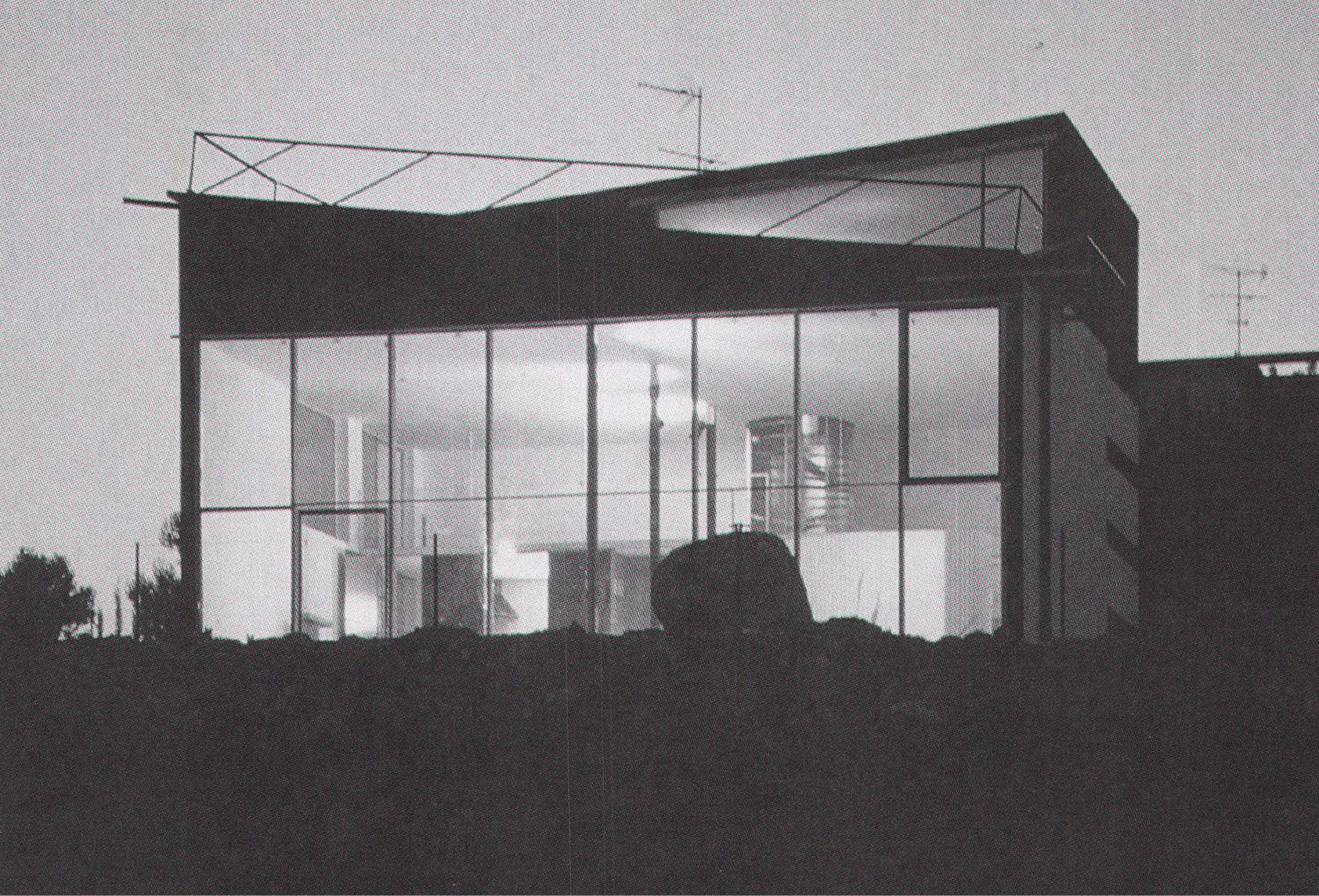
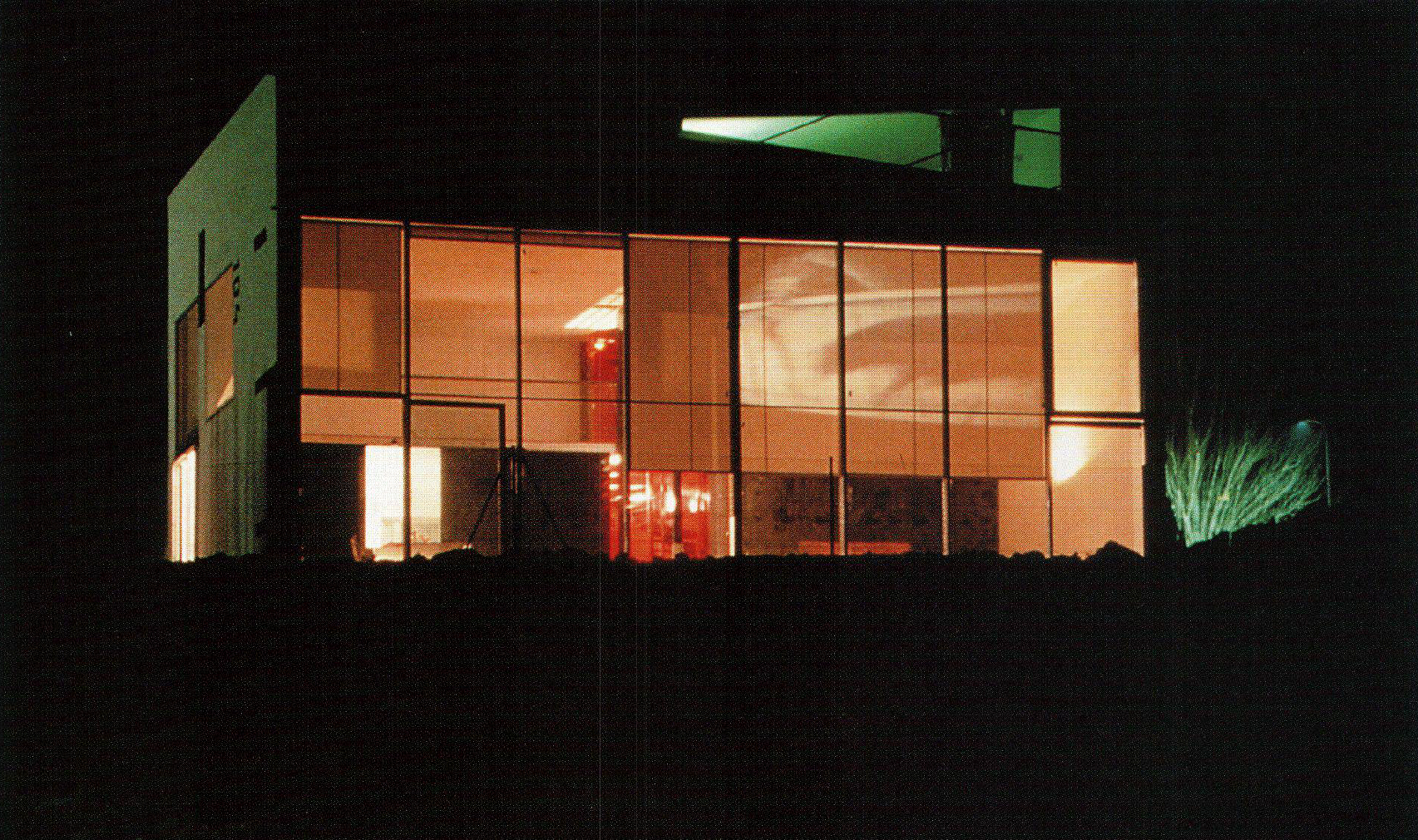
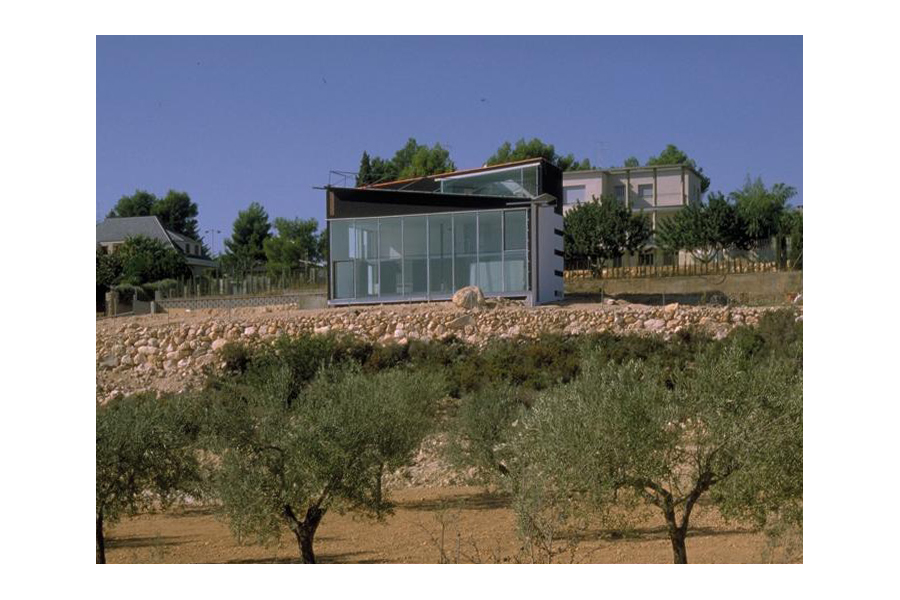
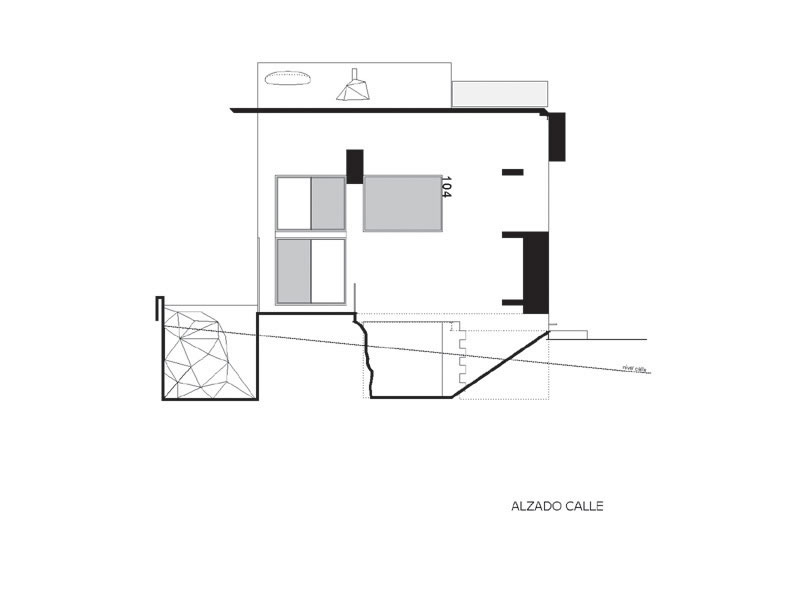
The analysis of the landscape and its natural elements is the origin of the project, just as that of a street or an urban sector is in the city. The entire plot deserves a project, by action or by omission. The construction of a dwelling is a naturally artificial or an artificially natural process. Housing and landscape are integrated in a new unity.
1. Integración con el paisaje.
El análisis del paisaje y sus elementos naturales es el punto de partida del proyecto, igual que lo es el de una calle o un sector urbano en la ciudad. Toda la parcela merece un proyecto, ya sea por acción o por omisión. La construcción de una vivienda es un proceso naturalmente artificial o artificialmente natural. La vivienda y el paisaje se integran en una nueva unidad.
2. High quality at low cost.
The aim is to achieve the maximum with the minimum. This means optimizing the available resources. The beauty of a place does not come from the quality of the materials but from its spatial qualities. Quality is a moral issue. A matter of precision. A question of attitude to the construction process, which depends on all of the people involved in that process, from the client through to the fittings manufacturer.
2. Alta calidad a bajo coste.
El objetivo es conseguir lo máximo con lo mínimo. Esto significa optimizar los recursos disponibles. La belleza de un lugar no viene de la calidad de los materiales, sino de sus cualidades espaciales. La calidad es una cuestión moral. Una cuestión de precisión. Una cuestión de actitud ante el proceso de construcción, que depende de todas las personas que participan en él, desde el cliente hasta el fabricante de los accesorios.
3. Concentration, with the maximum exploitation of resources.
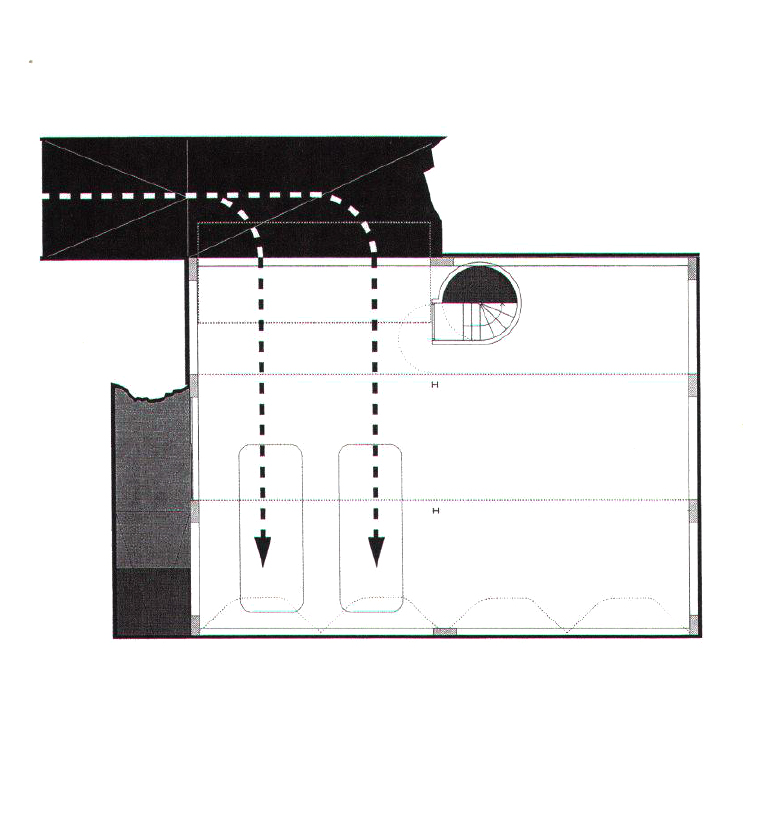
Accumulation and concentration make it possible to optimize resources in the functioning of a building or of a city, in contrast to dispersion, which requires a permanent input of resources to continue to function (energy, movement…). Any material found onsite (rocks, earth, water, air…), any urban energy, is capable of being integrated into the project at zero cost.
3. Concentración, con el máximo aprovechamiento de los recursos.
La acumulación y la concentración permiten optimizar los recursos en el funcionamiento de un edificio o de una ciudad, en contraste con la dispersión, que requiere una aportación constante de recursos para seguir funcionando (energía, movimiento…). Cualquier material que se encuentre in situ (rocas, tierra, agua, aire…), cualquier energía urbana, puede integrarse en el proyecto sin ningún coste.
4. Mobility of the interior space.
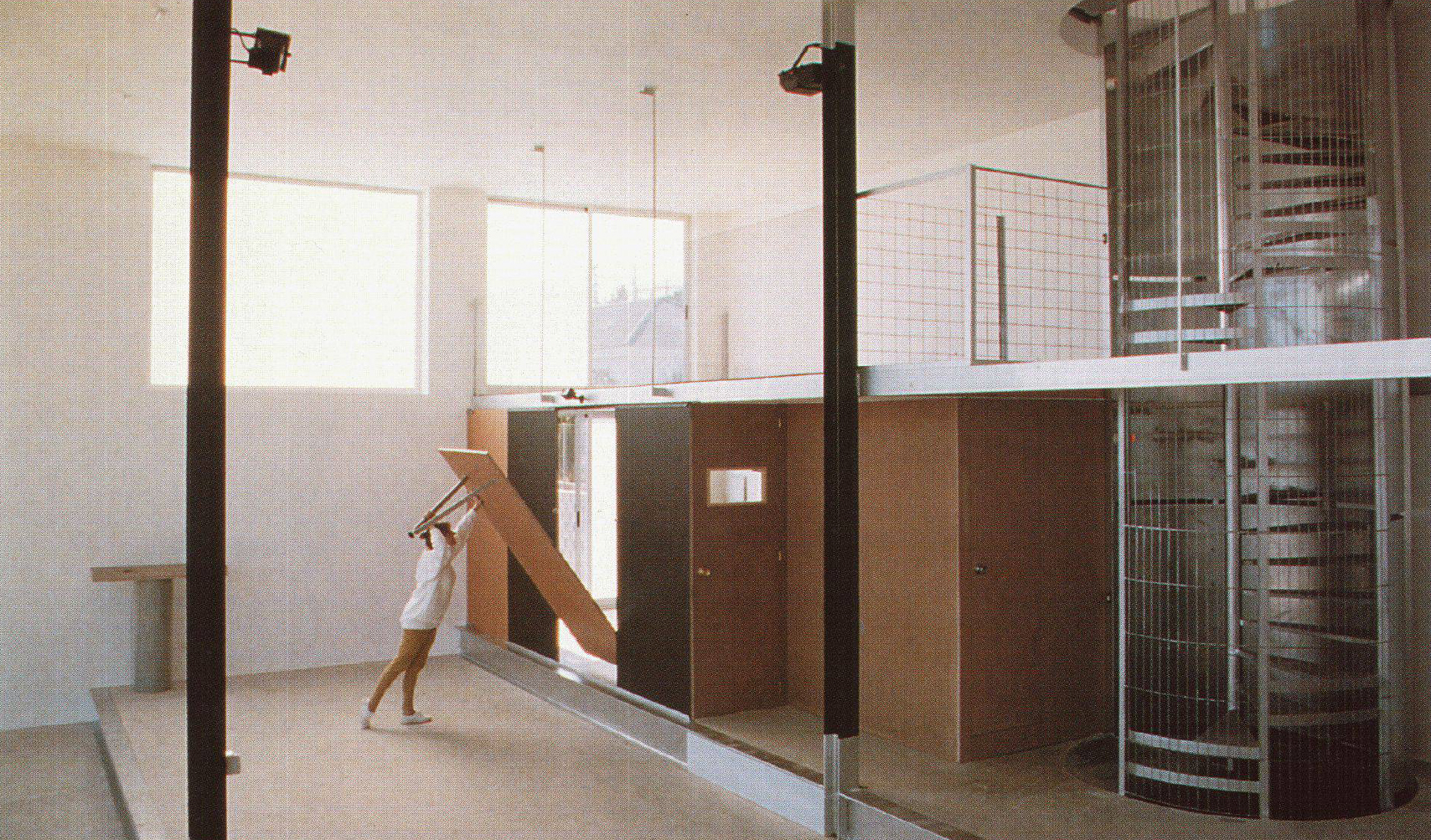
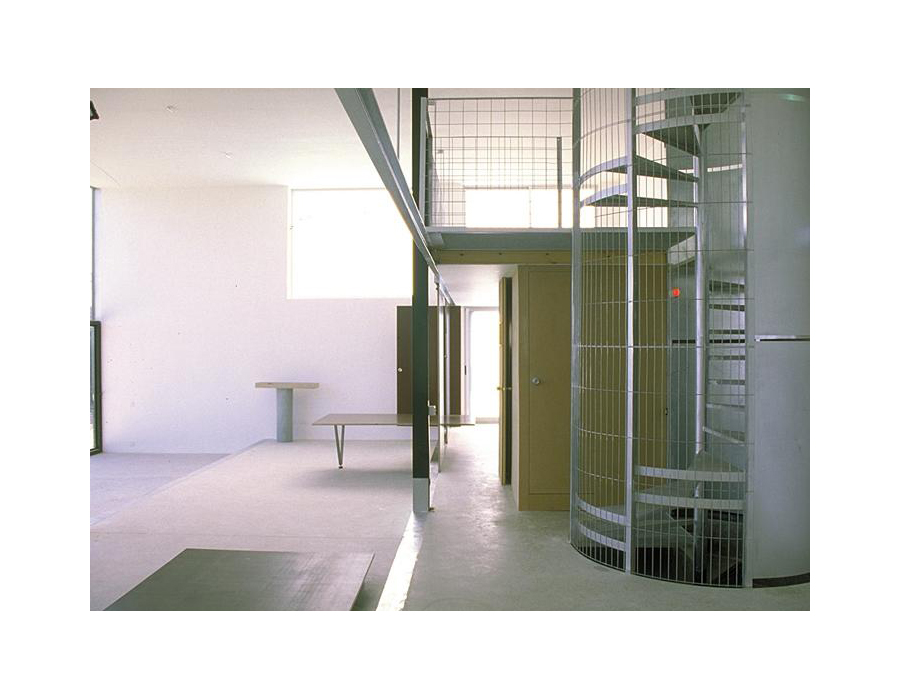
Houses are large empty spaces occupied by movable objects that allow us to carry out different activities in that space. Intelligent objects, multifunctional in some cases, that make the whole interior a piece of furniture. We live in a piece of furniture.
4. Movilidad del espacio interior.
Las casas son grandes espacios vacíos ocupados por objetos móviles que nos permiten realizar diferentes actividades en ese espacio. Objetos inteligentes, en algunos casos multifuncionales, que convierten todo el interior en un mueble. Vivimos en un mueble.
5. The uses are developed in the section.
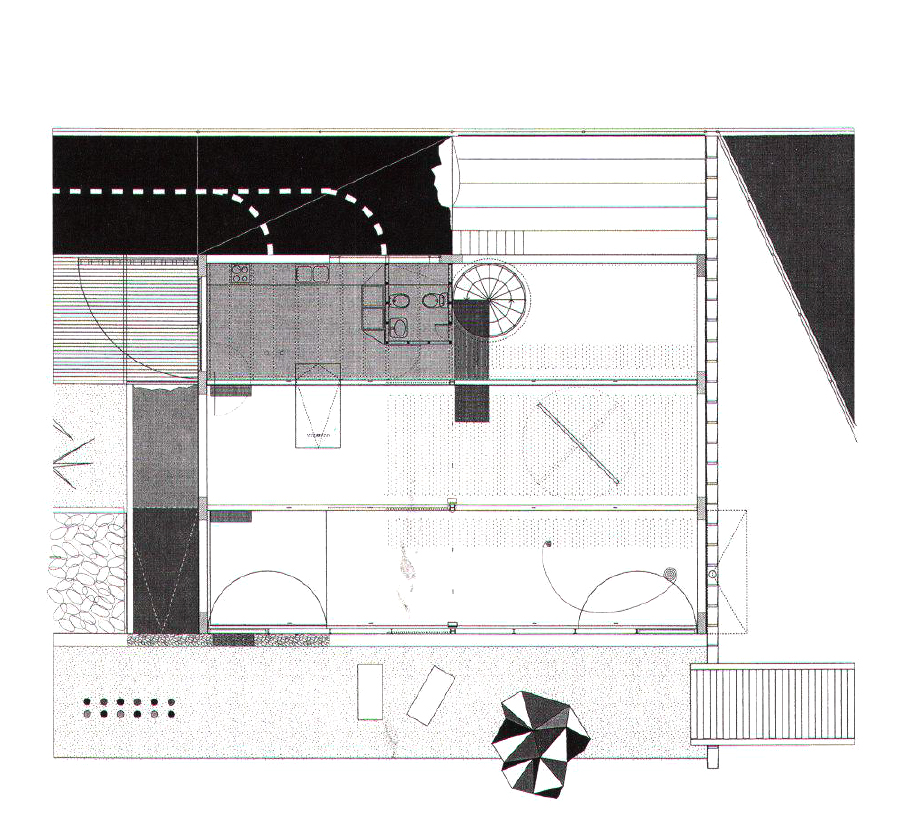
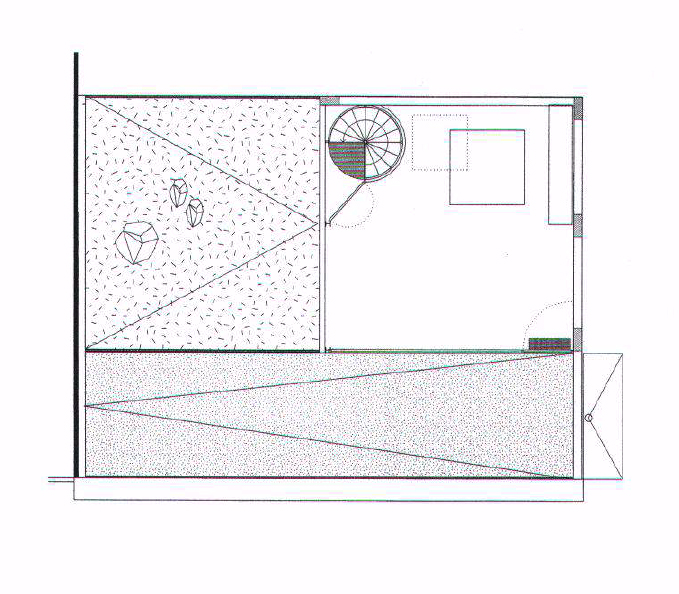
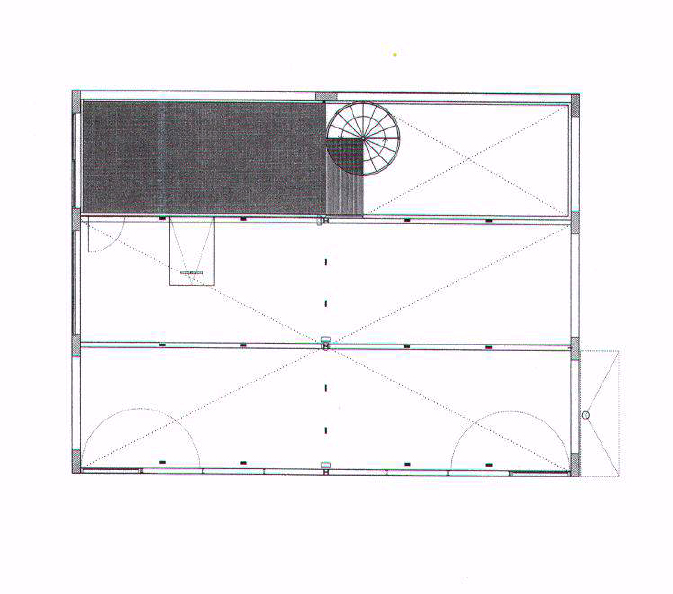
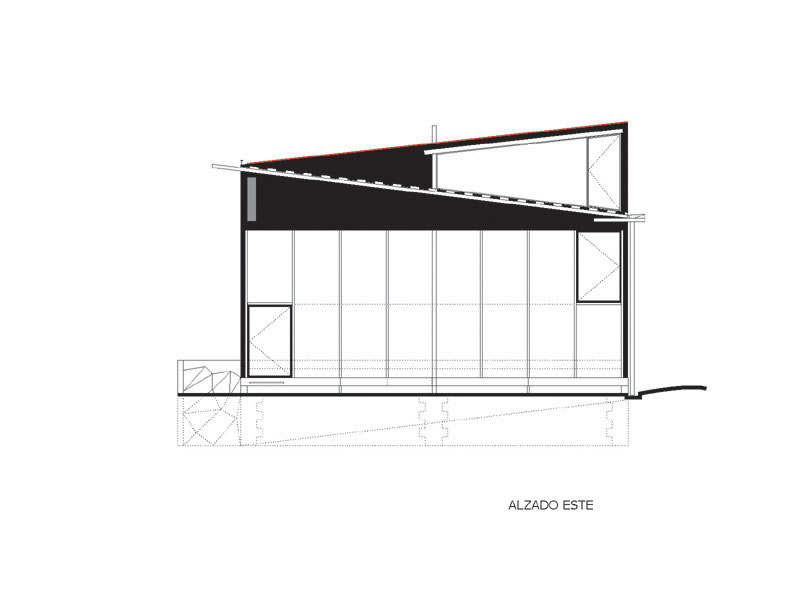
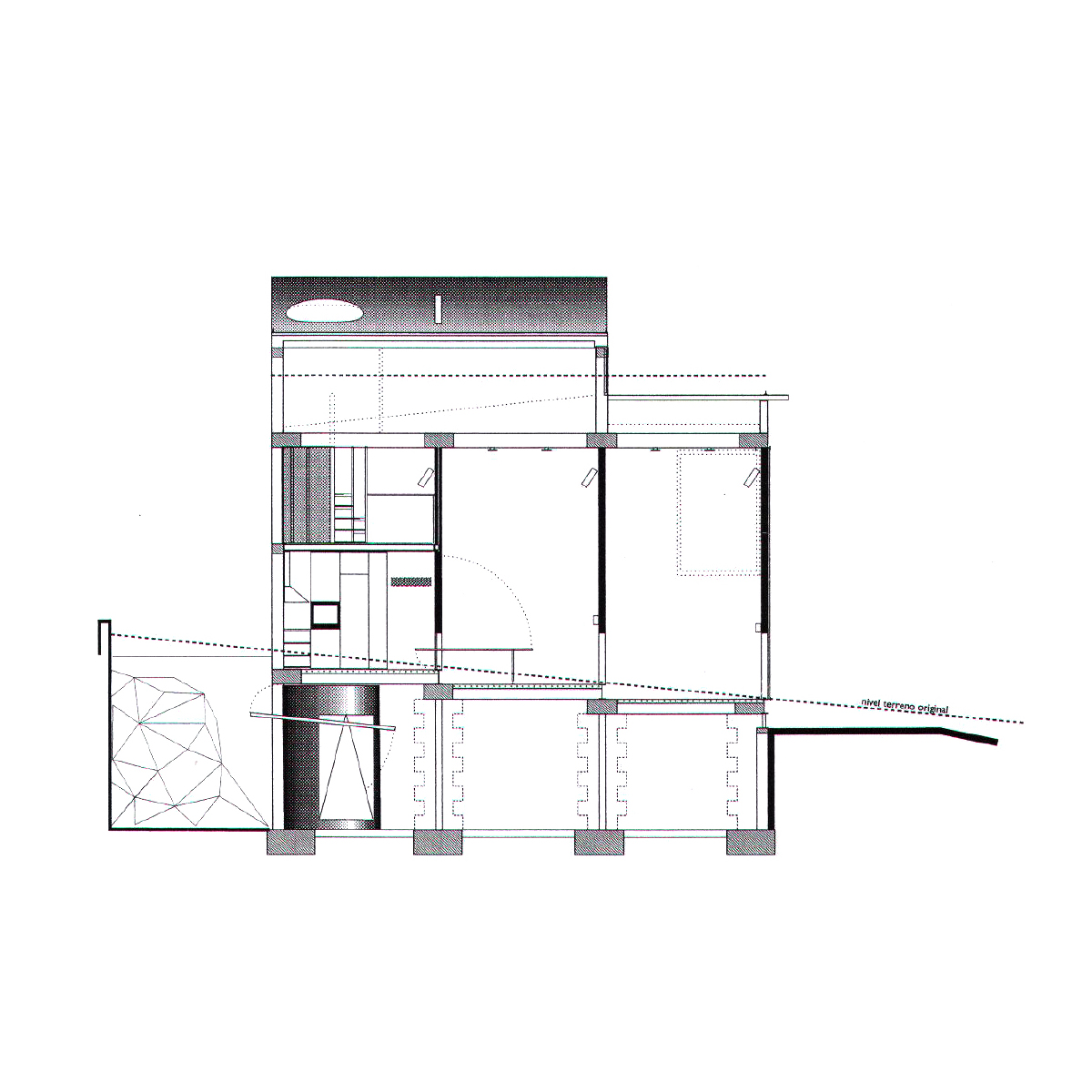
The basement, excavated out of the earth, and the roof, in contact with the sky, are spaces to be used with as much intensity as the natural level of the site. On the basis of a simple form in plan, a building or a city is laid out through the superposing of layers that have a character and nature of their own. Movement around the building is by way of ramps, staircases, like a stroll around town.
5. Los usos se desarrollan en la sección.
El sótano, excavado en la tierra, y la azotea, en contacto con el cielo, son espacios que se pueden utilizar con la misma intensidad que el nivel natural del terreno. A partir de una forma sencilla en planta, un edificio o una ciudad se articula mediante la superposición de capas que tienen un carácter y una naturaleza propios. El desplazamiento por el edificio se realiza a través de rampas y escaleras, como si dieras un paseo por la ciudad.
6. The proportions of the space.
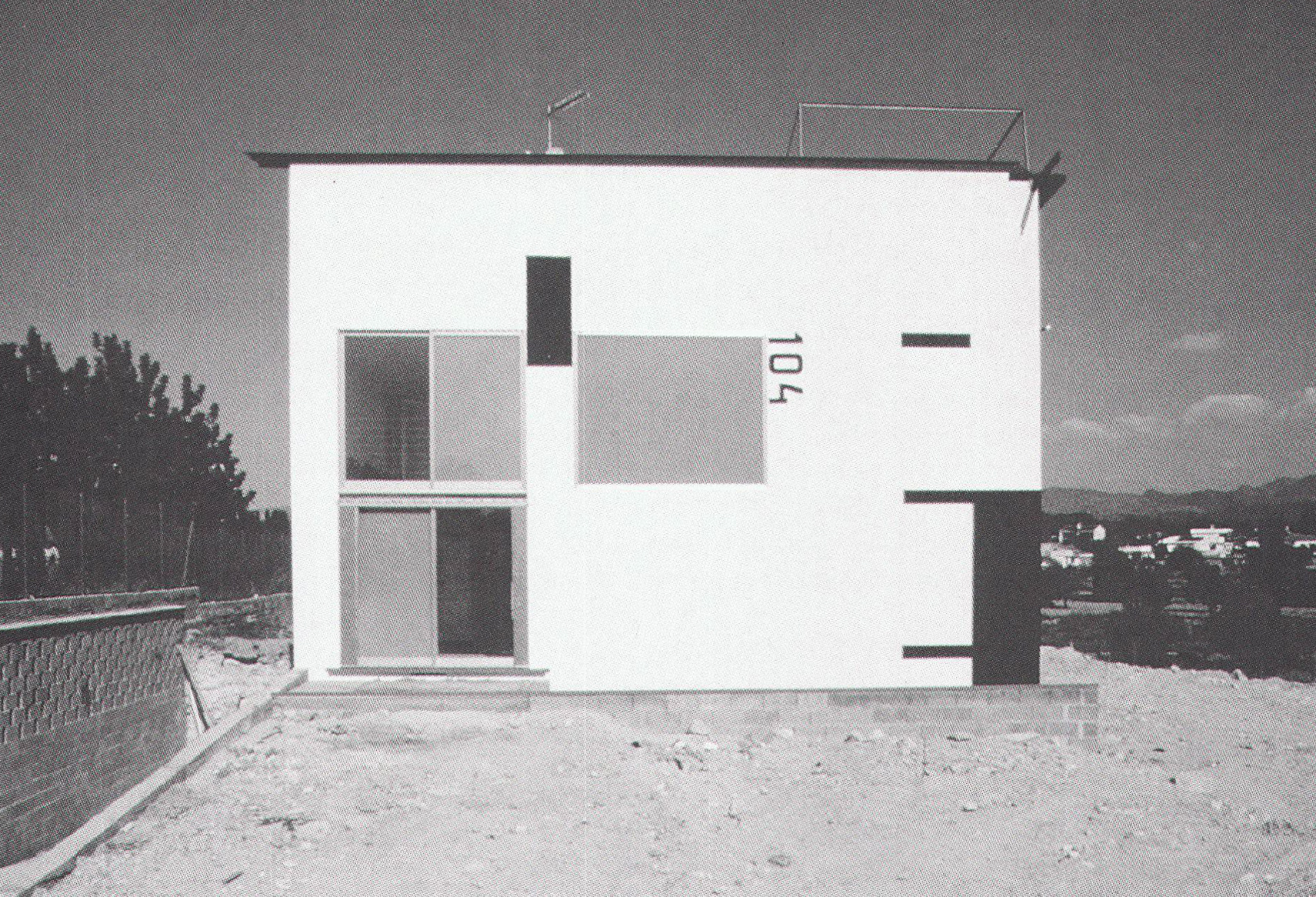
Quantity is quality. Each different use calls for a space of a certain size. The house is organized by means of the contrast between the sizes of its spaces. There is no standard height, no standard measurement: generous heights, widths and lengths at the service of quality.
6. Las proporciones del espacio.
La cantidad es calidad. Cada uso diferente requiere un espacio de un tamaño determinado. La casa se organiza a través del contraste entre los tamaños de sus espacios. No hay una altura estándar, ni una medida estándar: alturas, anchuras y longitudes generosas al servicio de la calidad.
Text by Vicente Guallart, translation by Hidden Architecture