***
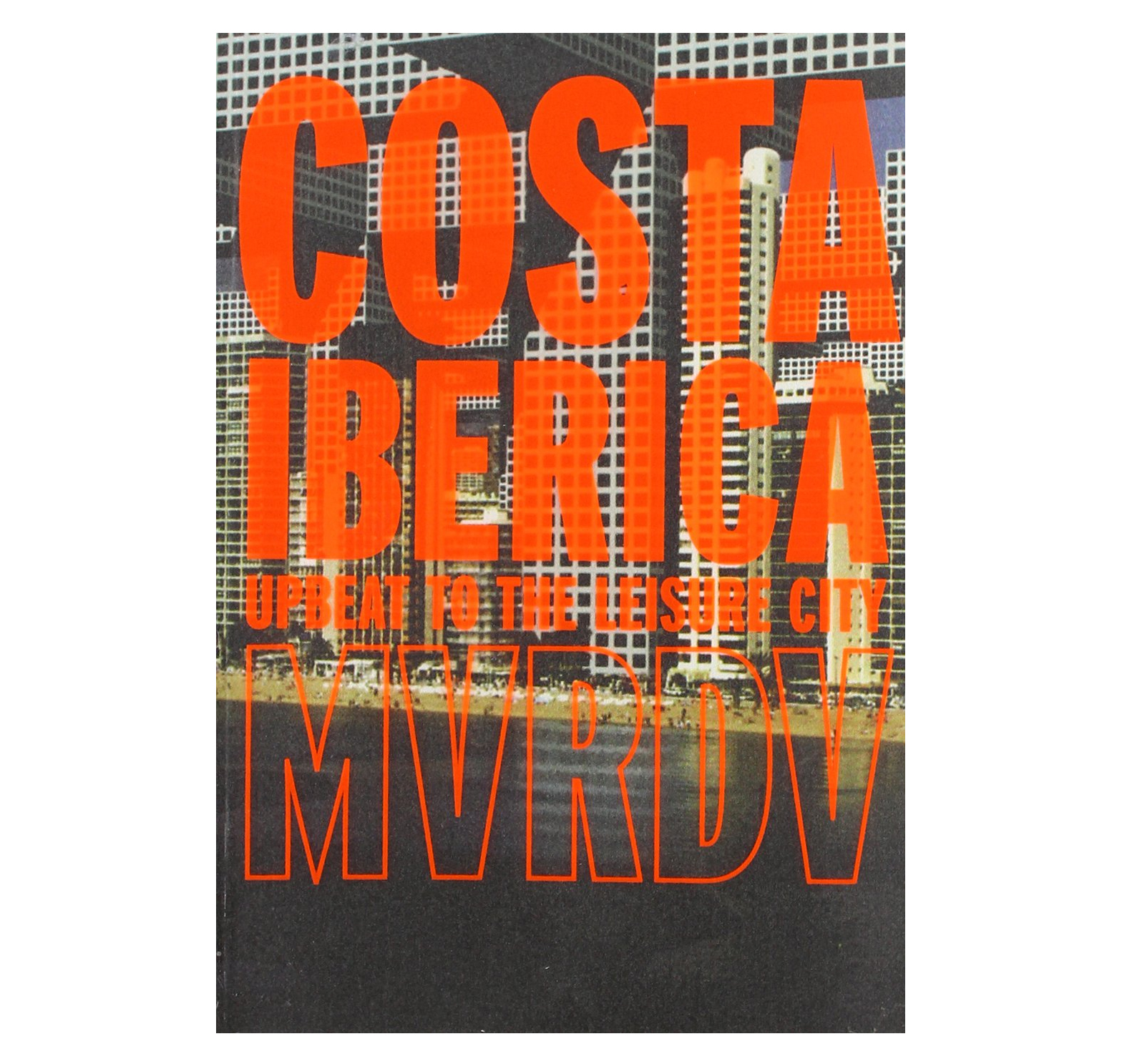
Title: Costa Iberica: Upbeat to the Lesiure City MVRDV
Editors: Winy Maas, Jacob Van Rijs, and Natralie de Vries
Editorial: ACTAR. ISBN: 978-8495273192
Language: English
312 pages
***
In 2000, Winy Maas, partner of the firm MVRDV, published the book Costa Ibérica with the Barcelona-based publisher Actar. This essay analyzes tourism on the Spanish Mediterranean coast during the 1990s, combining sociological, photographic, and statistical analysis, with a propositional purpose, presenting various speculative scenarios, aiming to maximize its potential.
En 2000, Winy Maas, socio de la firma MVRDV, publica el libro Costa Ibérica con la editorial barcelonesa Actar. Este ensayo analiza el turismo en la costa mediterránea española durante los años 90, combinando análisis sociológico, fotográfico y estadístico, y con una finalidad propositiva, planteando diversos escenarios especulativos, tratando de maximizar su potencial.
The project attempts to cover many aspects of Spanish tourism without delving deeply into any of them, projecting an attitude—at times superficial—toward interpreting a region from the perspective of a collaboration between a foreign architecture firm, MVRDV, and local students, in this case from the ESARQ-School of Architecture (International University of Catalonia). The essays mix insightful analyses of the Mediterranean characteristics of tourism with generalizations, and include data that at times does not contribute much to the book’s subject matter. An example of this excess of data—which is difficult to relate to one another or to tourism—is the diagrams showing university enrollment and suicide rates in various Spanish cities.
El proyecto trata de abarcar muchos aspectos del turismo español sin profundizar en ninguno de ellos, proyectando una actitud, a veces superficial, al leer una región desde la perspectiva colaborativa entre una oficina de arquitectura extranjera, MVRDV, y estudiantes locales, en este caso, de la ESARQ-School of Architecture (Universitat Internacional de Catalunya). Los ensayos mezclan análisis acertados sobre las particularidades mediterráneas del turismo con generalidades, y mezclan datos que en ocasiones no aportan mucha información respecto al tema del libro. Un ejemplo de este exceso de datos, que difícilmente se relacionan entre sí ni con el turismo, son los diagramas de estudios universitarios y de suicidios en las distintas ciudades españolas.
However, Costa Ibérica offers an insightful analysis of Benidorm’s success that is well worth reading, especially for those who, like us, will be traveling to this city to study its architecture. José Miguel Iribas’s essay explains how Spain’s Mediterranean coast differs from other beach tourism destinations in that it is integrated into the urban fabric of existing cities. Tourism in Spain does not become an exclusive ghetto for those who want to enjoy the good weather and clean beaches without being exposed to contact with the local community and its urban interactions. In that sense, for Iribas, Benidorm’s success lies in the success of its public space, which—despite its skyscrapers that are disconnected from the orthogonal urban grid—manages to bring the streets to life at different times of day through various forms of leisure and consumption. In the coming weeks, we’ll find out if this is still the case—and exactly how it works.
Sin embargo, Costa Ibérica ofrece un análisis inteligente sobre el éxito de Benidorm que merece la pena leer, sobre todo para quienes, como nosotros, viajarán a esta ciudad para analizar su arquitectura. El ensayo de José Miguel Iribas explica cómo la Costa mediterránea española se diferencia de otros turismos de playa en que este está integrado en el tejido urbano de las ciudades existentes. El turismo en España no se convierte en un gueto exclusivo para aquellos que quieren disfrutar del buen clima y playas limpias pero sin ser expuestos al contacto con la sociedad local y sus interacciones urbanas. En ese sentido, para Iribas, el éxito de Benidorm es el éxito del espacio público que, pese a sus rascacielos desconectados de la trama urbana ortogonal, consigue activar la calle a diferentes horas del día y con distintos tipos de ocio y consumo. En las próximas semanas, averiguaremos si todavía es así, y cómo funciona exactamente.
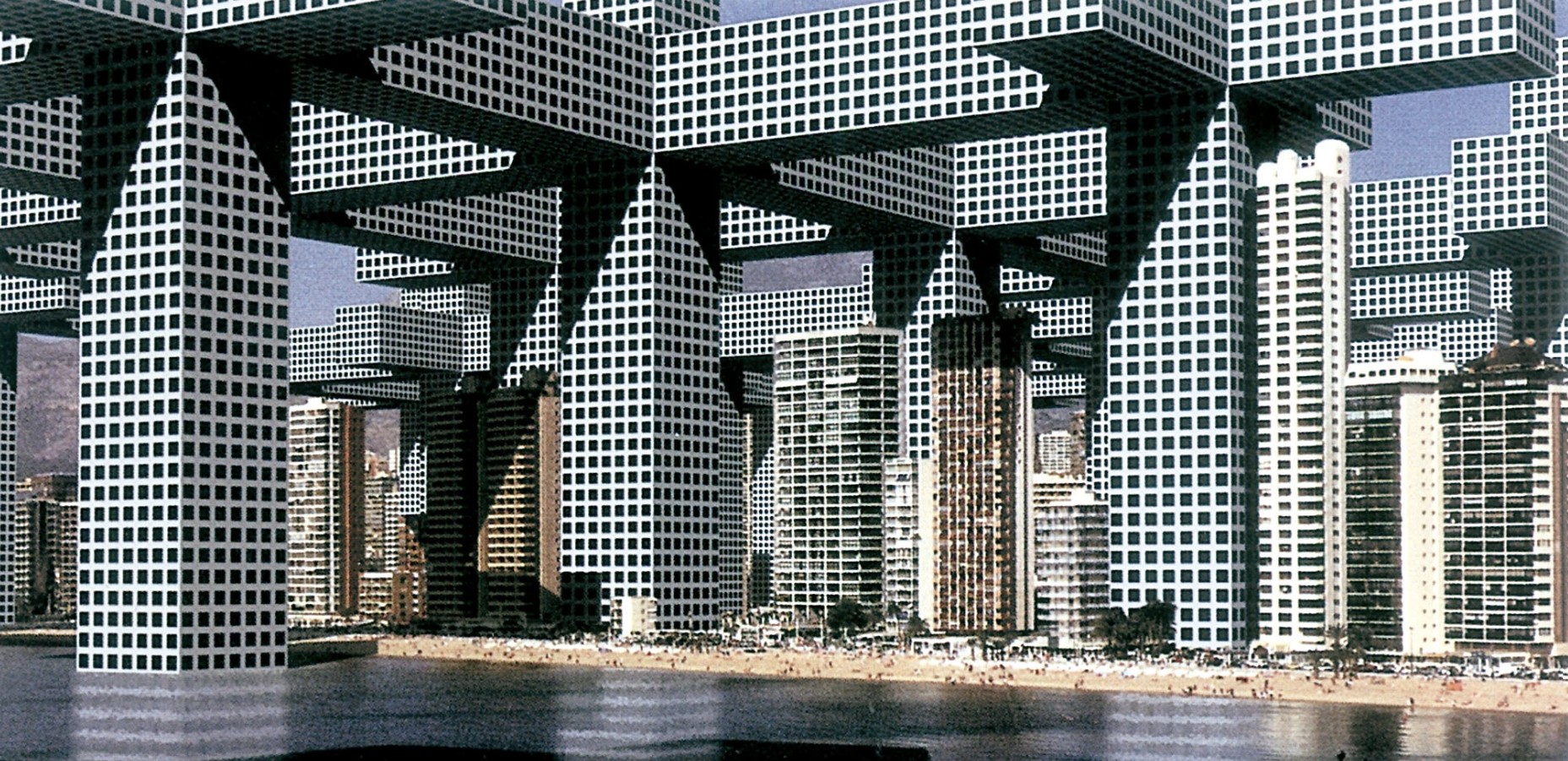
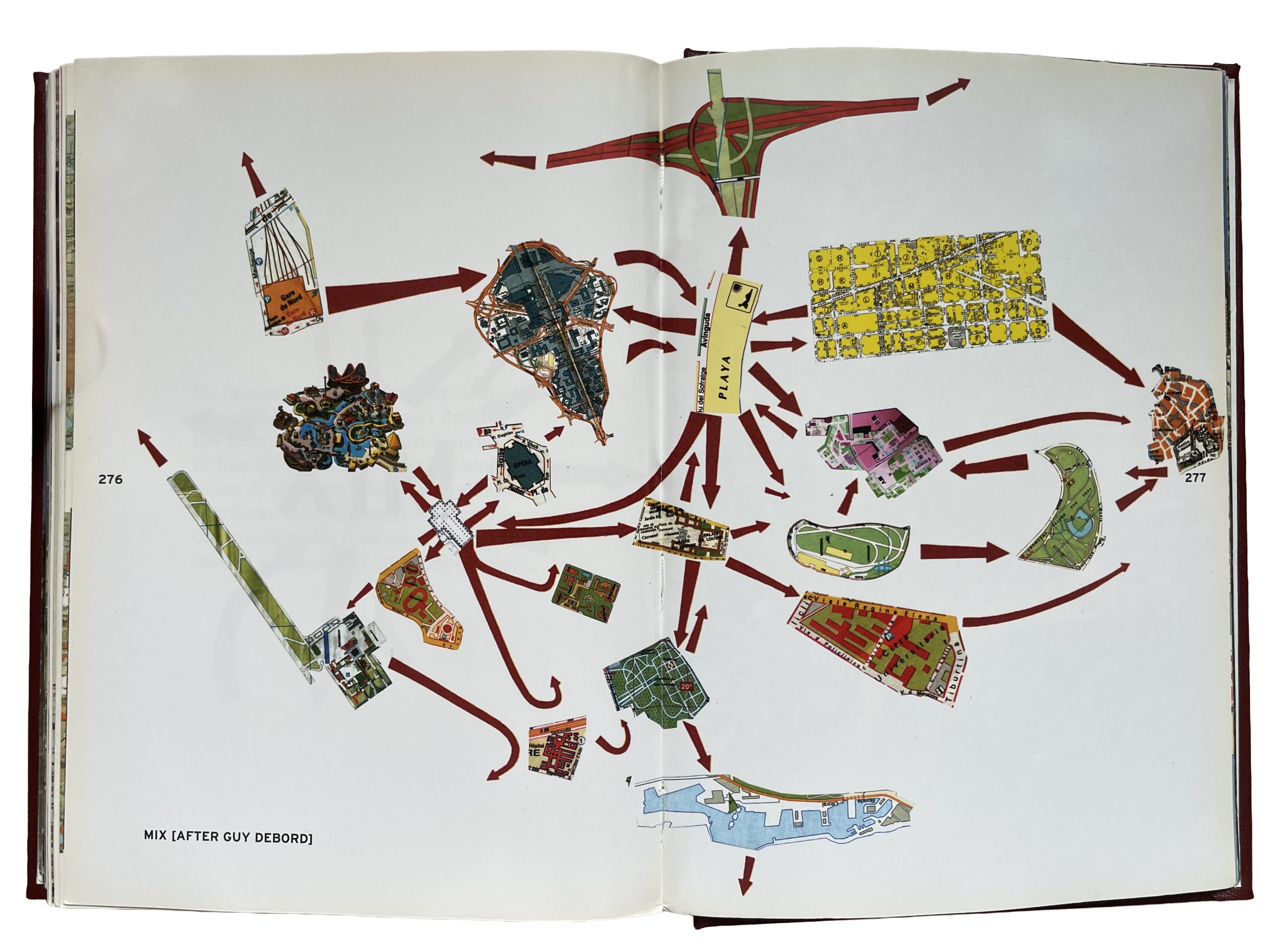
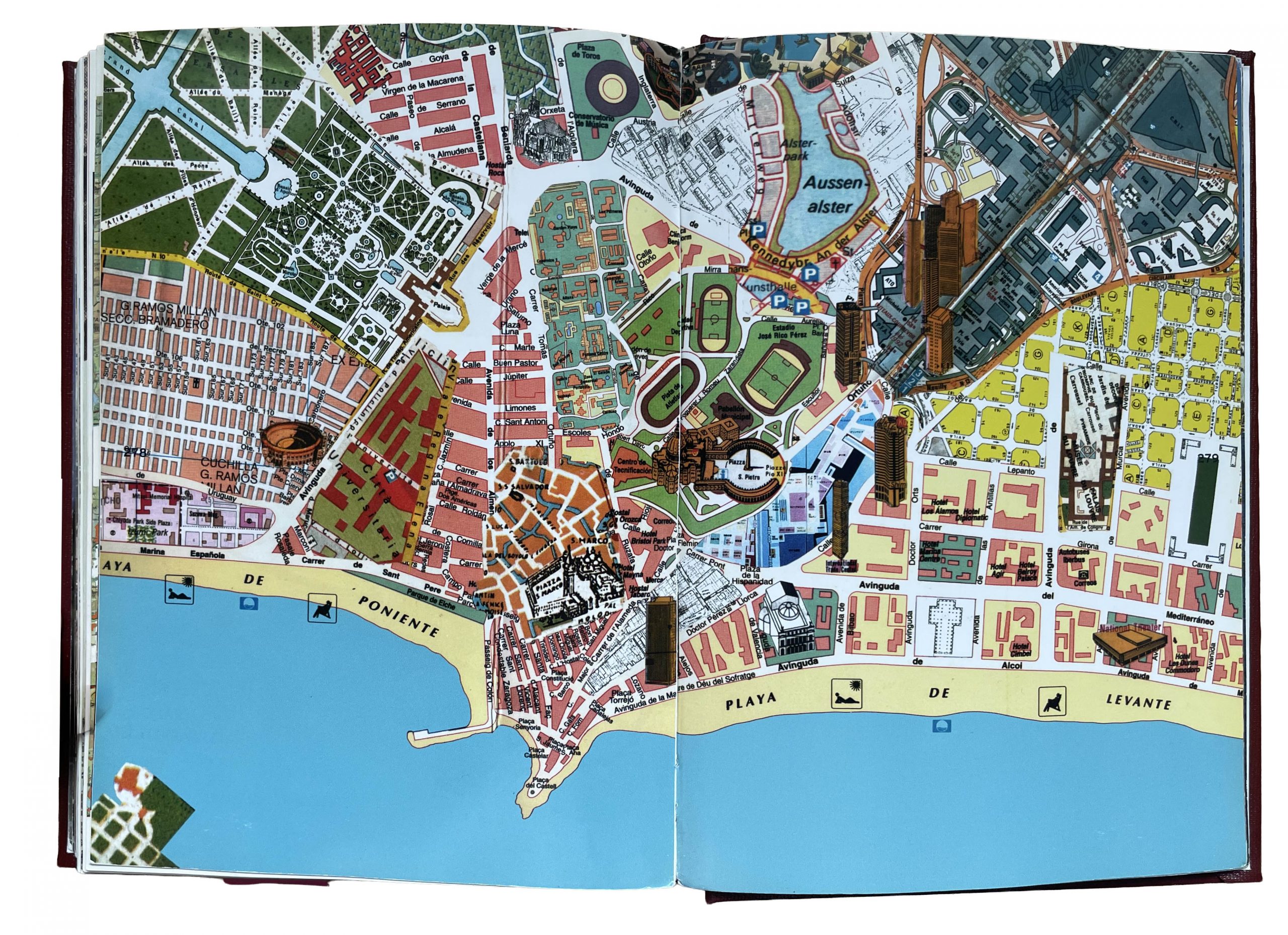
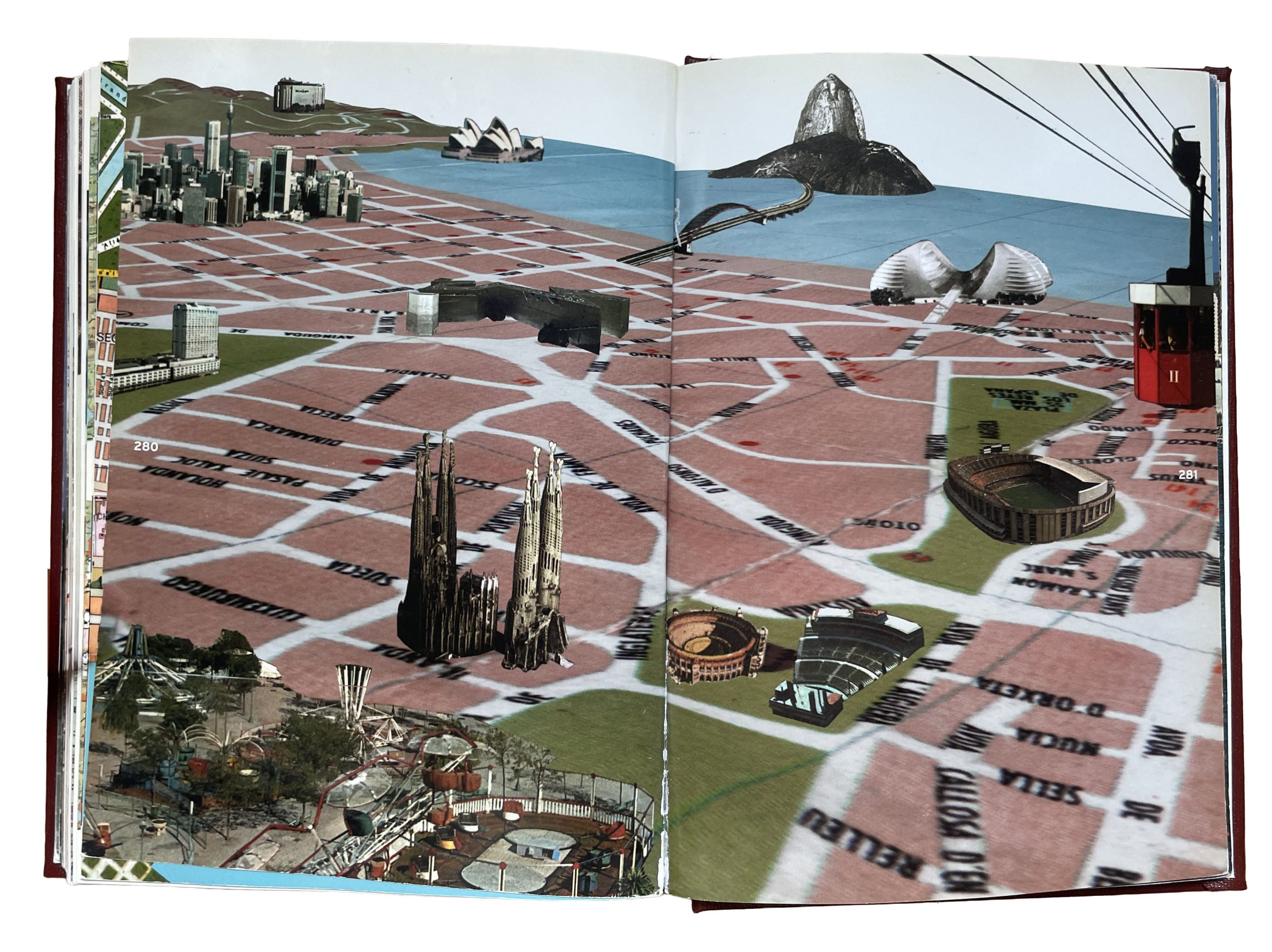
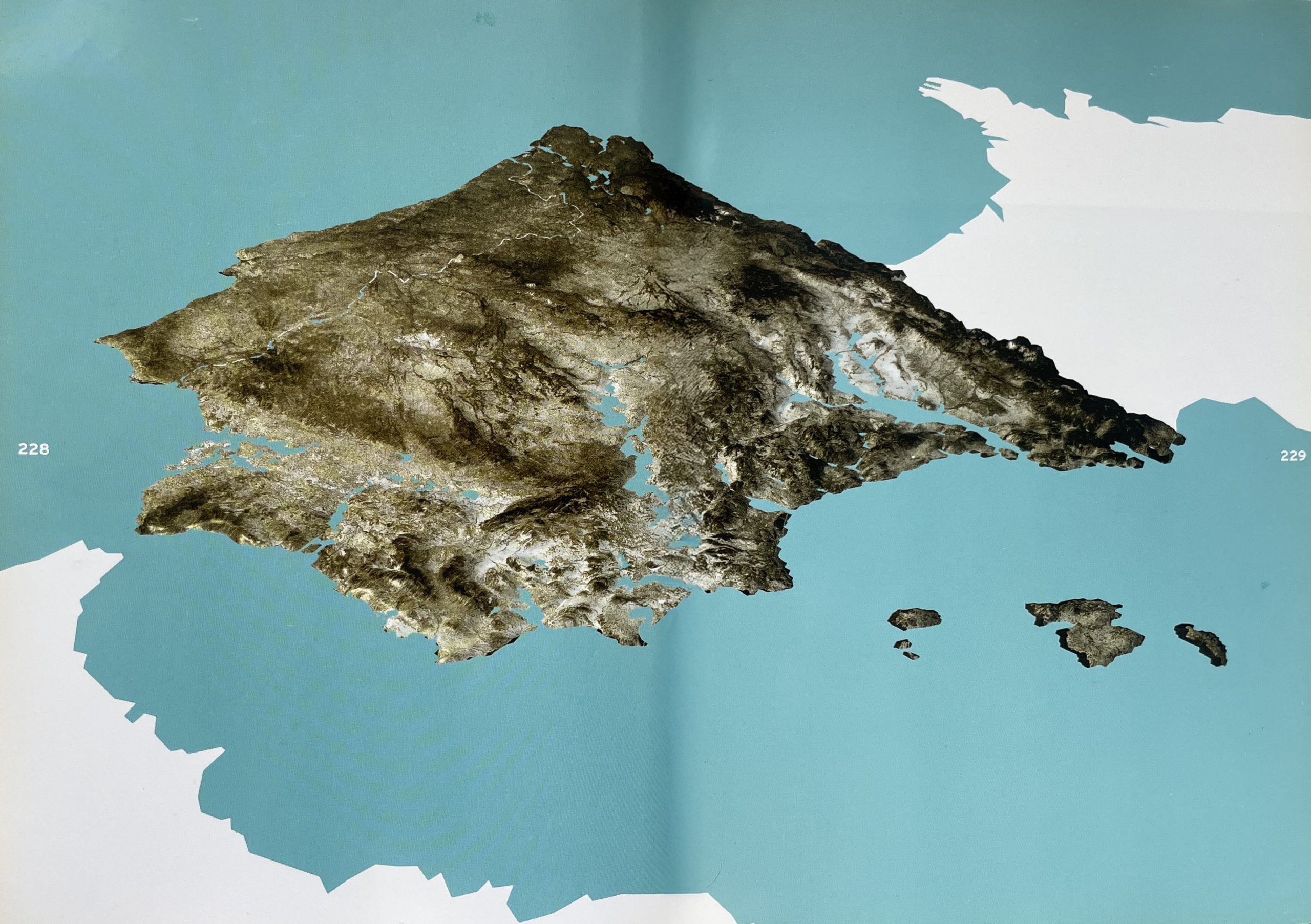
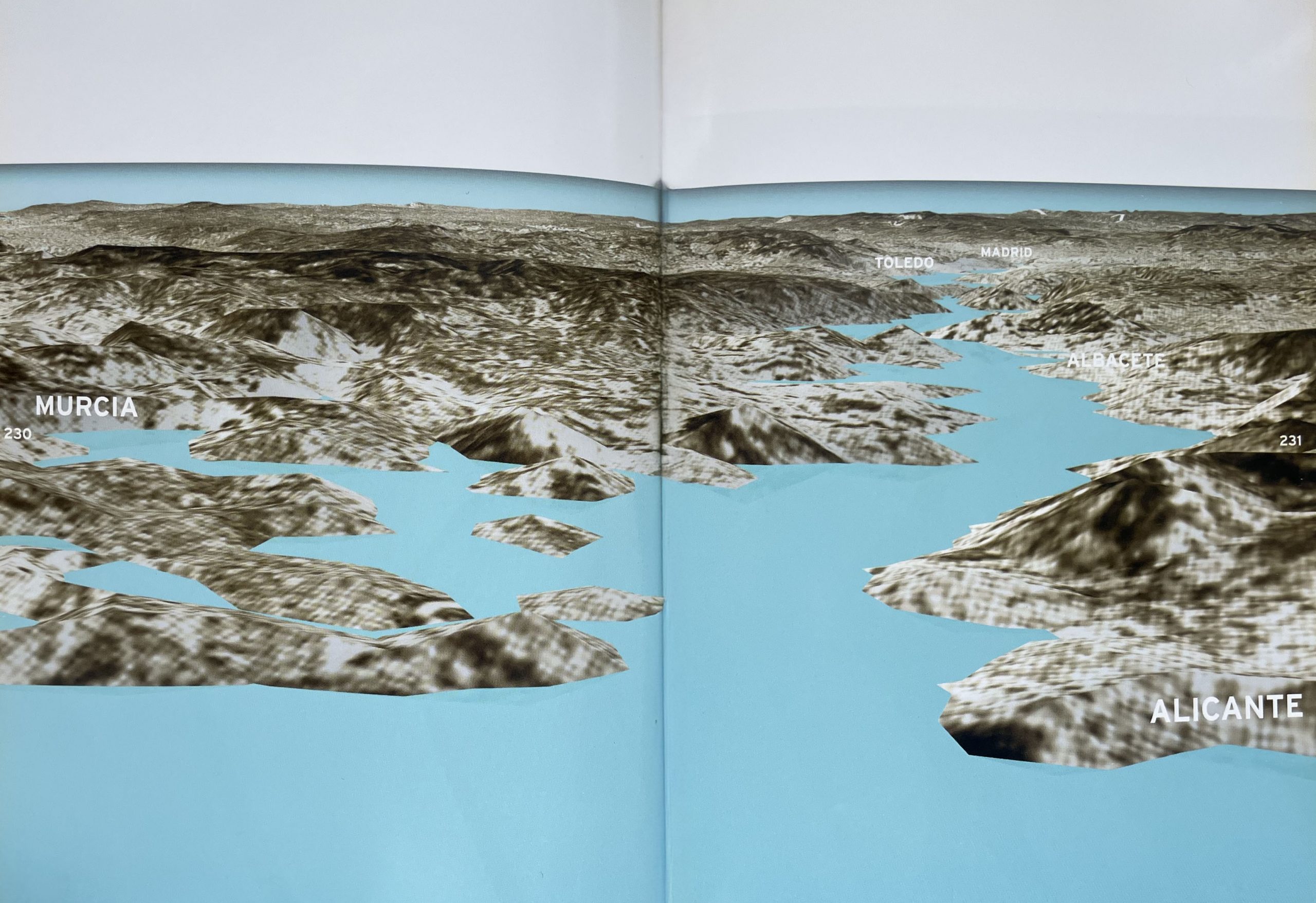
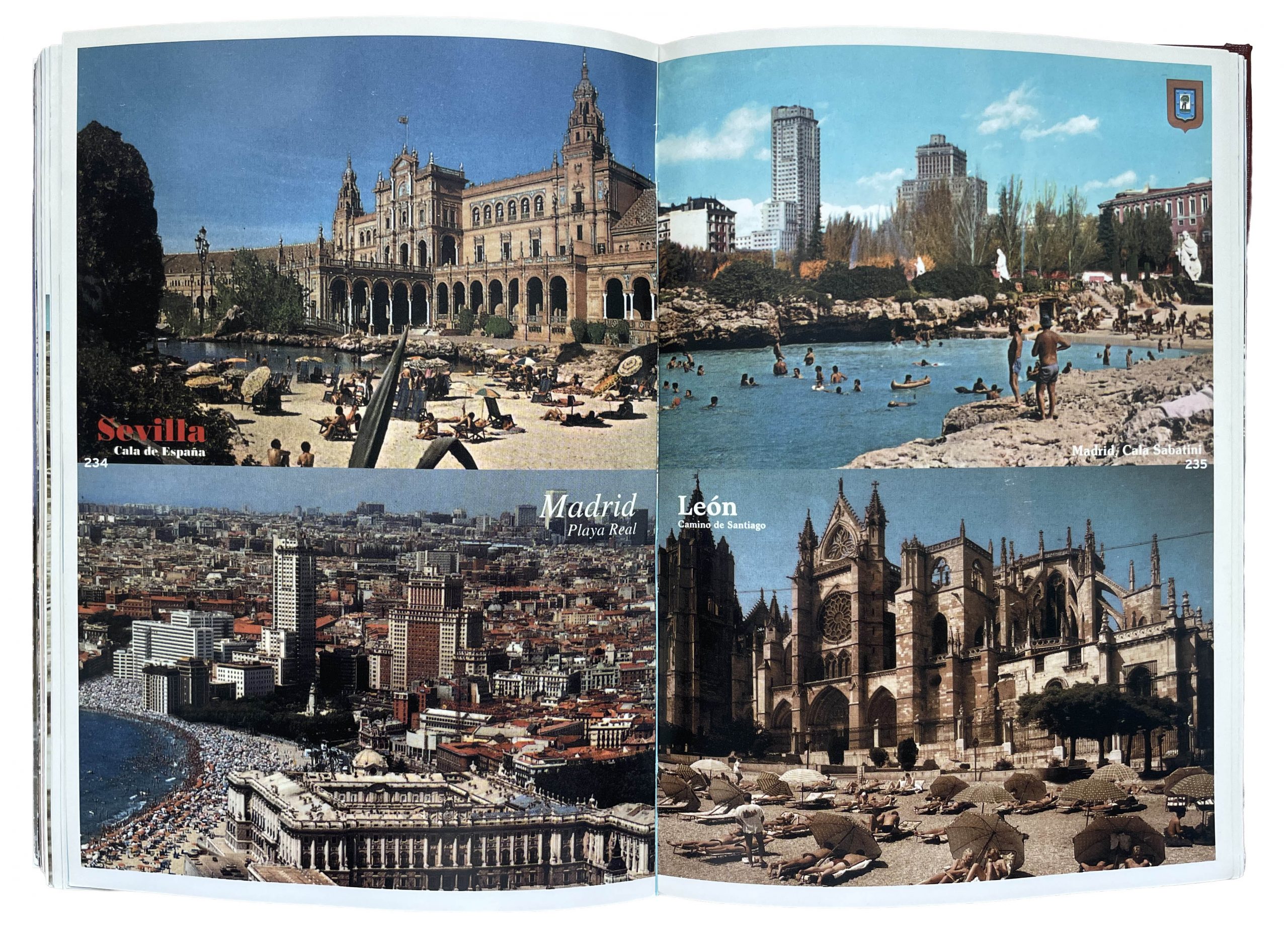
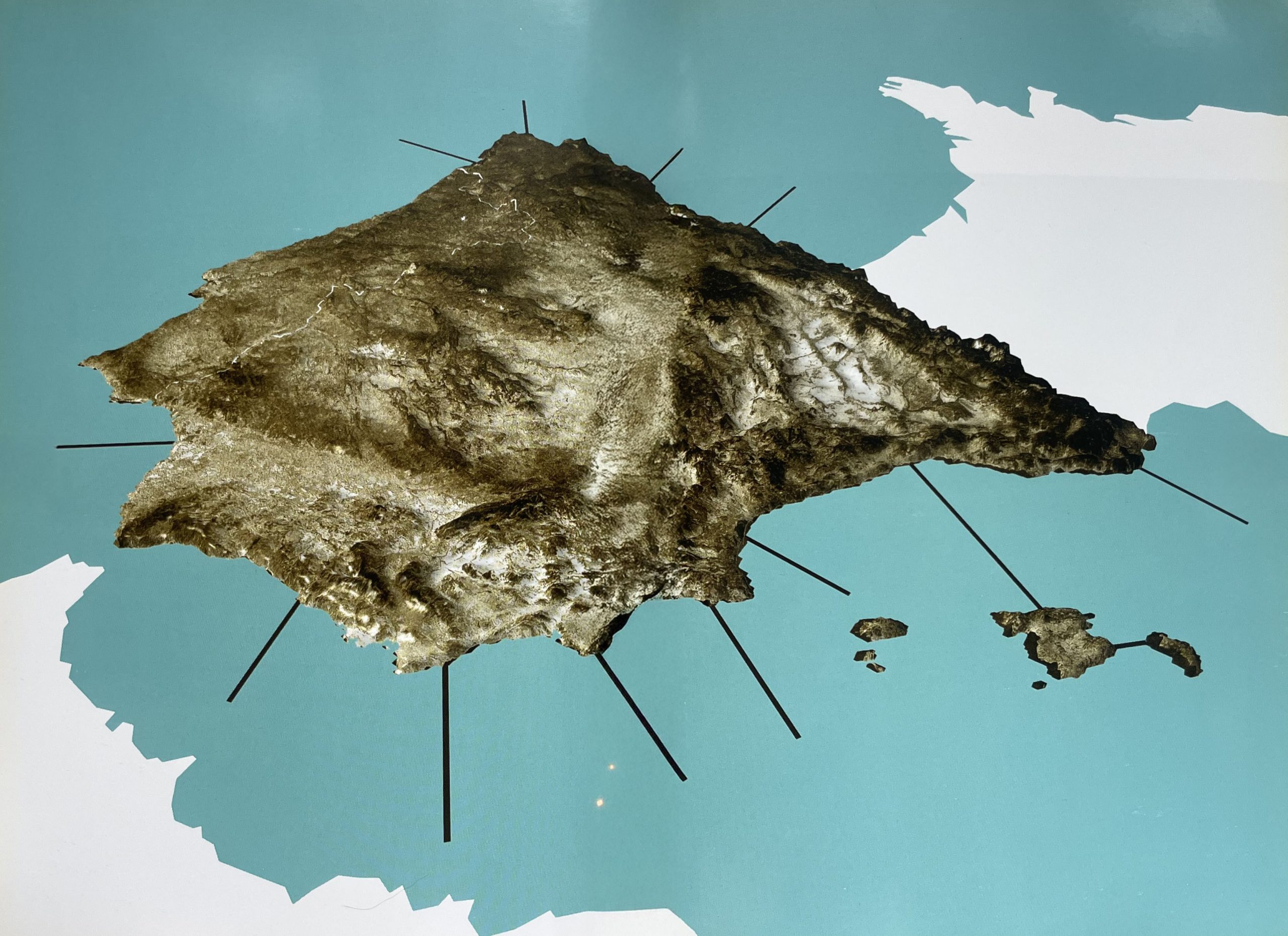
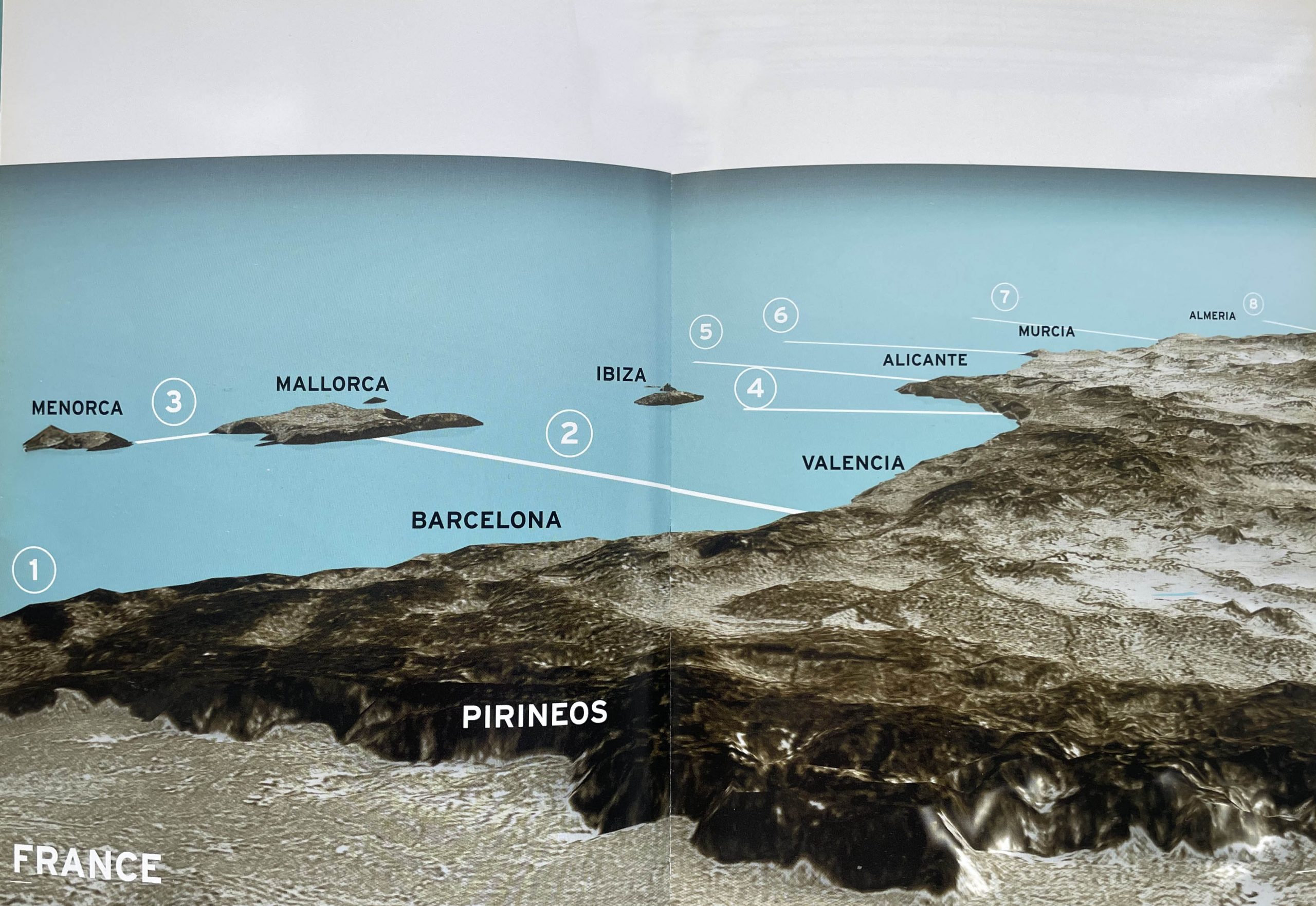
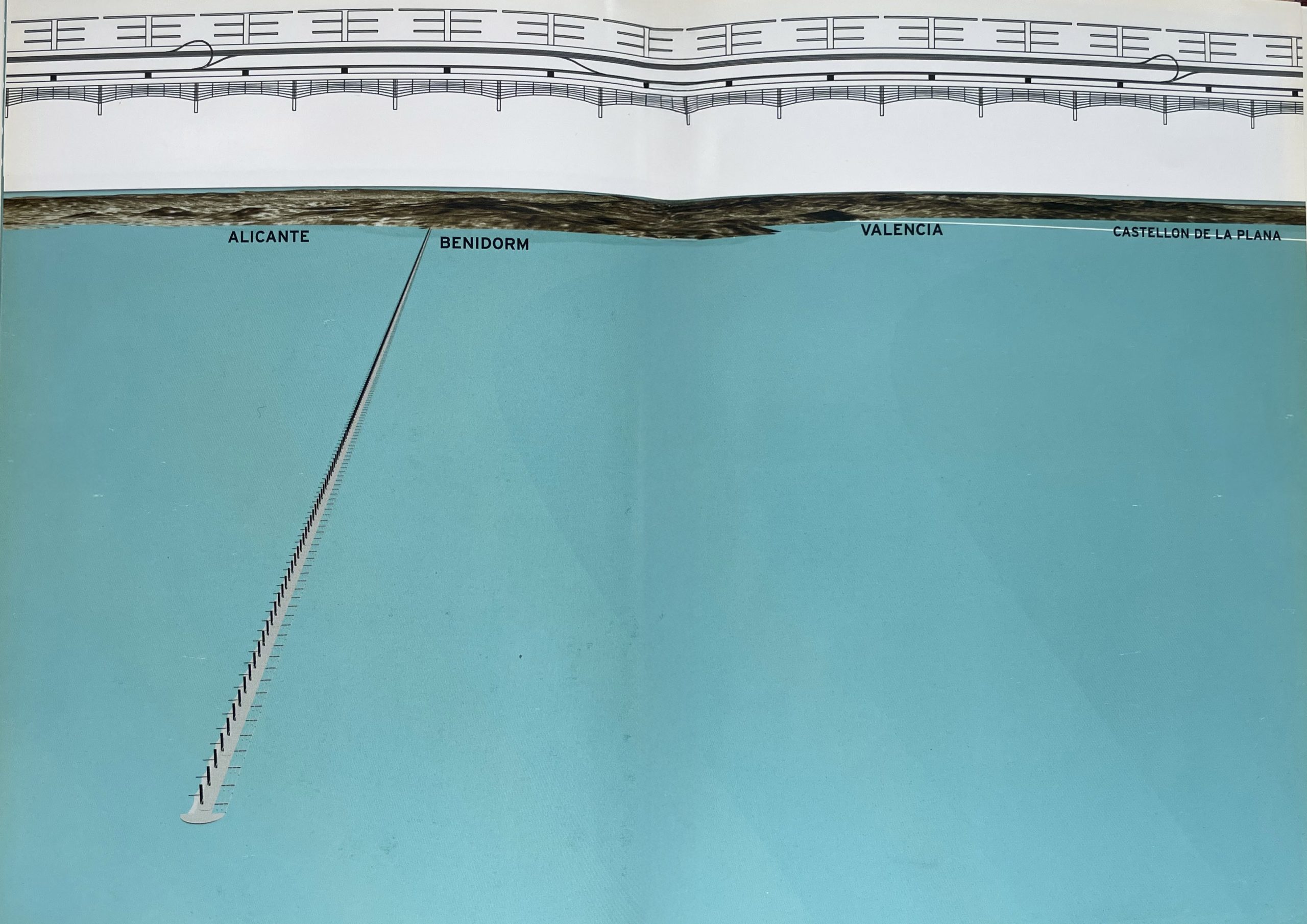
The second key value of Costa Ibérica is its proactive nature. Winy Maas (possibly during the workshop held with ESARQ students) puts forward a series of proposals to rethink tourism on a national scale. This series of six proposals—named Balear Cyclades, Spider Spain, (Ibe)ria, Hideway, Mixed, and SandCity—sought to extend the urban and territorial qualities of certain tourist destinations on the peninsula—such as the insularity of the Balearic Islands, the monumental character of Barcelona, or the density of Benidorm—to vast areas of Spanish territory. In other words, to multiply and scale a particular condition to its graphic limit. Although this series of proposals is open to criticism, it not only highlights some of the most characteristic aspects of Iberian tourism but also reveals how some of the current conditions are already unusual in and of themselves, even though we have grown accustomed to them.
El segundo valor principal de Costa Ibérica es su componente propositivo. Winy Maas (posiblemente en el workshop realizado con los estudiantes de ESARQ) propone una serie de propuestas para repensar el turismo a la escala de país. Esta serie de 6 propuestas, denominadas Balear Cyclades, Spider Spain, (Ibe)ria, Hideway, Mixed, y SandCity, trataba de expandir cualidades urbanas y territoriales de algunos de los emplazamientos turísticos de la península, tales como la insularidad de Baleares, la monumentalidad de Barcelona, o la densidad de Benidorm a vastas áreas del territorio español. Es decir, multiplicar y escalar una condición particular hasta el límite gráfico. Aunque esta serie de propuestas puede ser fácilmente criticable, también permite, no solo subraya algunos de los aspectos más característicos del turismo ibérico, sino que también subyace cómo algunas de las condiciones actuales ya son insólitas de por sí, aunque nos hayamos acostumbrado a ellas.
Below is a brief summary of three of them, which I consider the most attractive from a regional perspective:
A continuación, un pequeño resumen de tres de ellas, las cuales considero más atractivas desde la perspectiva territorial:
[Ibe]ria
Spider Spain
Mix